

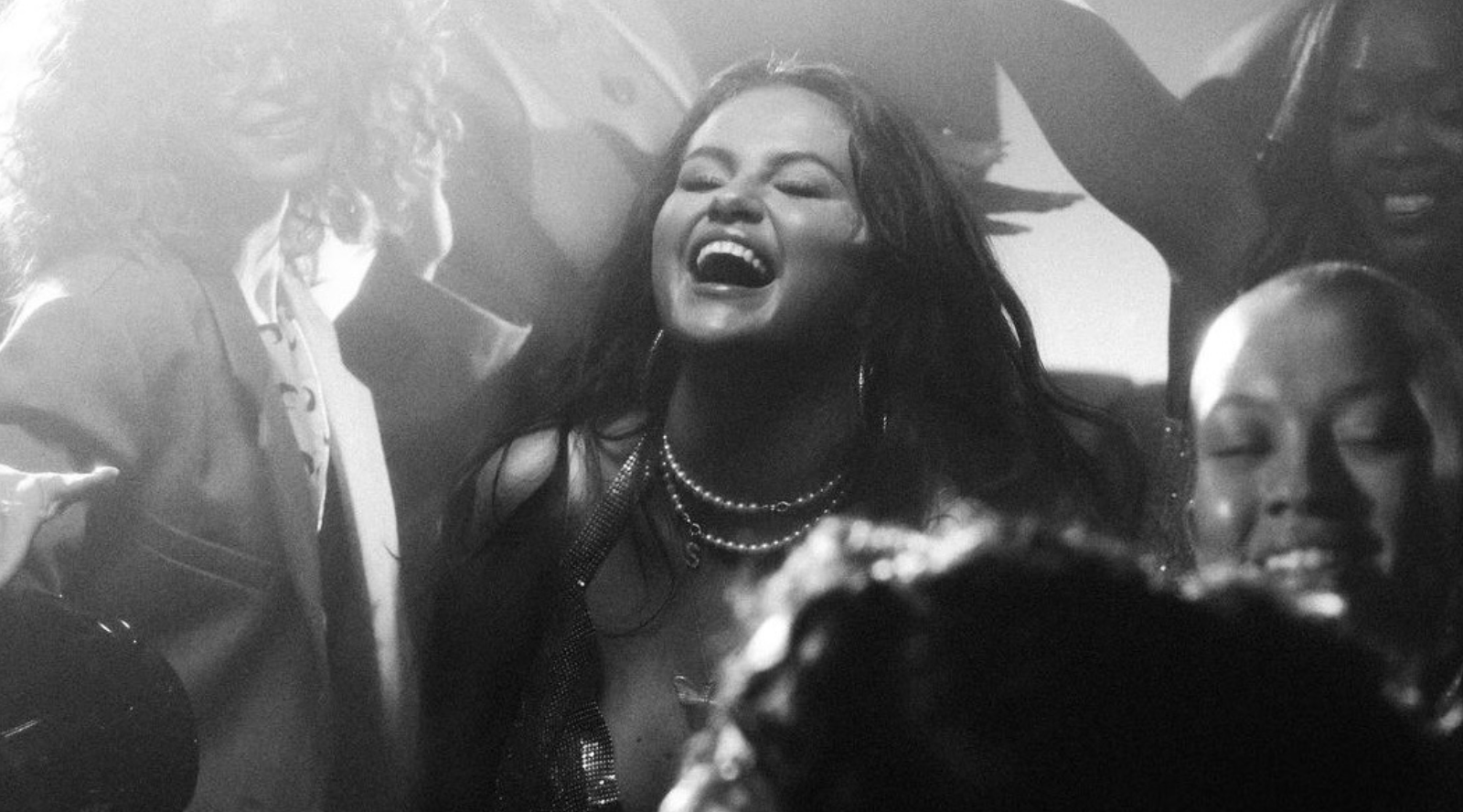
Ask any millennial, and they’ll likely confirm 2010s pop defined their teenage and early adult years. Miley Cyrus’ good-girl-gone-bad album, “Bangerz”, Selena Gomez’s electro-pop record, “Stars Dance”, Katy Perry’s iconic “Teenage Dream” — Fan or no fan, the dance-centric, club-ready anthems were, in this era, essentially inescapable. While in recent years, the quintessential pop queen has taken a back seat to the likes of the moodier Billie Eilishes of the industry and various other new influences, new music from OG’s Gomez and Cyrus, Gen Z princess Olivia Rodrigo, and TikTok personality cleverly turned celebrity and pop scene newcomer, Addison Rae, indicate the return of hyper-pop may be well on its way.
Released at the tail-end of summer, the title of Selena Gomez’ comeback track, “Single Soon,” teases the same playful attitude radiating from the singer’s social media posts following a long-awaited return to Instagram. On the other hand, Miley Cyrus takes a detour from “Endless Summer Vacation” to reflect on her Disney days with “Used To Be Young” (the ballad is deep and melodic, but let’s not set aside the Tennessee native’s disco-themed breakup record “Flowers,” which topped the Billboard Hot 100 for eight weeks this year). Olivia Rodrigo incorporates heart-pumping drum beats for her teenage rager single, “Bad Idea Right?” And ultimately, Addison Rae’s self-titled EP, along with its Paris Hilton circa “Stars Are Blind” era-coded rollout, revive the lost art of pop in a tangible way. A number of easter eggs woven into Rae’s surprise project drive the point home – A chorus switch-up similar to Britney Spears’ “(You Drive Me) Crazy- The Stop Remix!)” in Rae’s “I Got It Bad,” along with the social media star’s rendition of Lady Gaga’s “Got Nothing On (But The Radio).” But in an industry landscape where any and everything consumable runs the risk of being subjected to a lifespan of no longer than a trending TikTok sound, it begs the question — Is the pumped-up nostalgia here to stay, or is this but a musical blip?

Pop music, as we know it today, was pioneered in the 1990s as a long-standing admiration for R&B, alternative music, and hip-hop artists eventually faded into computer-directed drums and synthesizers, catapulting acts such as Britney Spears, Backstreet Boys and NSYNC* into stardom. Then came the ‘teen pop’ craze, lasting from the late ‘90s through the early 2000s, most recognizable by its dry, synthetic, and overall addictive sound, often recreated by artists such as Charli XCX and Dua Lipa today. The era, of course, didn’t last forever, but has since been reincarnated in bits and pieces within the dance-pop scene of the late 2000s through the likes of works such as Lady Gaga’s “The Fame”, Britney Spears’ “Circus”, and Kesha’s “Animal”.

Part of pop’s downfall was simply the internet. The technological advancement encouraged international communications and intercultural consumption at faster speeds. And while it popularized foreign genres such as K-pop and reggaeton, the internet ultimately changed music distribution. MTV, Z100 New York, and even record labels no longer solely dictated what people were listening to, and now, everyone had a say. Likely, the other contributing half of the shift came from the general fatigue over the traditional pop sound. Take Mandy Moore’s 1999 debut single, “Candy” — Even though it was packaged perfectly as a Britney Spears carbon copy (down to Moore’s unnaturally blonde hair), it only peaked at No. 41 on the Billboard Hot 100. The on-demand access to music created by the internet is also to blame, leading to fatigue that gave way to R&B divas Mariah Carey (“The Emancipation of Mimi”), Rihanna (“Pon De Replay” and “Umbrella”), and Alicia Keys (“No One”) to dominate music during the mid-2000s. That absence of pop music also brought Latin pop (Shakira’s “Hips Don’t Lie”), pop-punk (Avril Lavigne’s “Girlfriend”) and other genres to the forefront of mainstream success.

Yet, now with four major pop releases on our hands (and in our ears) in less than the span of a couple of weeks, the moment feels, again, perfectly primed for another explosion of the genre. First, as the country finds itself in the throes of yet another recession, as was similarly the case in 2008 at the start of the last pop music renaissance, one would be remiss not to ponder the link between economic collapse and the rise of genres fueled by escapism. Then, there’s the revived interest across social media in the lost era of Y2K, romanticizing the idea of ‘simpler,’ better ,’ and frankly, on the nightclub scene, more chaotic times, mood-boards galore harping back to “Jersey Shore”-esque lifestyle and fashion. Then, there’s the assumption that the success of 2010s pop means financial slam dunk for artists involved in its comeback, effectively eliminating the hit-or-miss nature of releasing music in the streaming era, and almost guaranteeing artists a hit audiences will recognize from their childhood.
One thing is for certain, line these new hits side by side, and it’s clear that, while ultimately unique from one another, each track harnesses a dynamic nostalgic element that is fresh, energetic, and, most importantly, shareable.
Leave a Reply