
Author: studiobypines

  • BADSEKI: Built From the Inside of the Culture

    BADSEKI: Built From the Inside of the Culture

    There are brands that borrow from car culture.

    And then there are brands that are born inside it.

    BADSEKI is the latter.

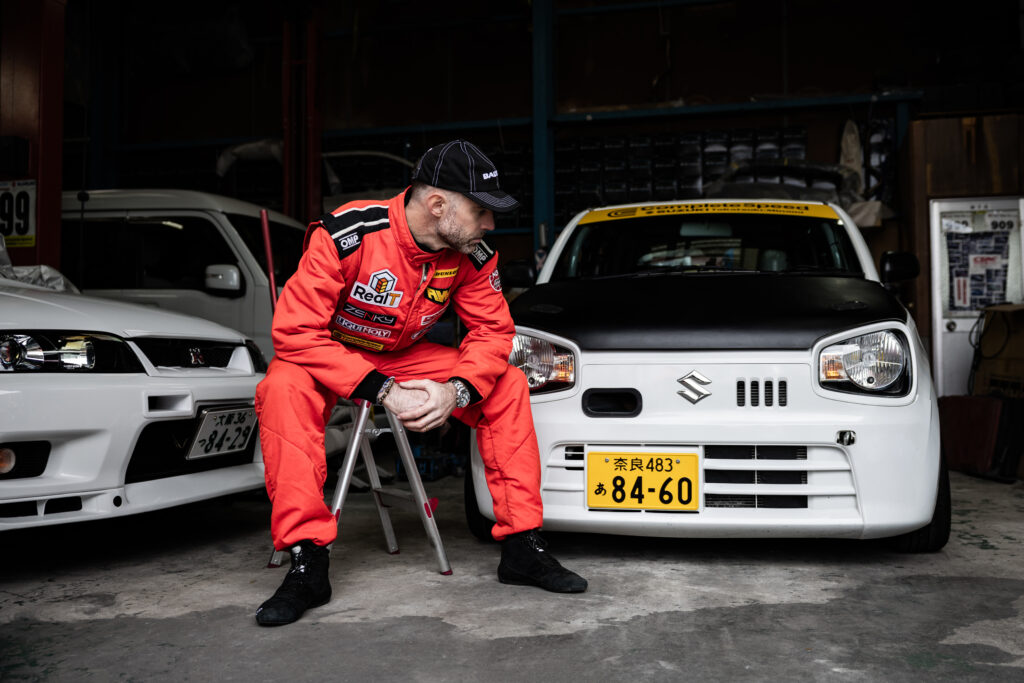
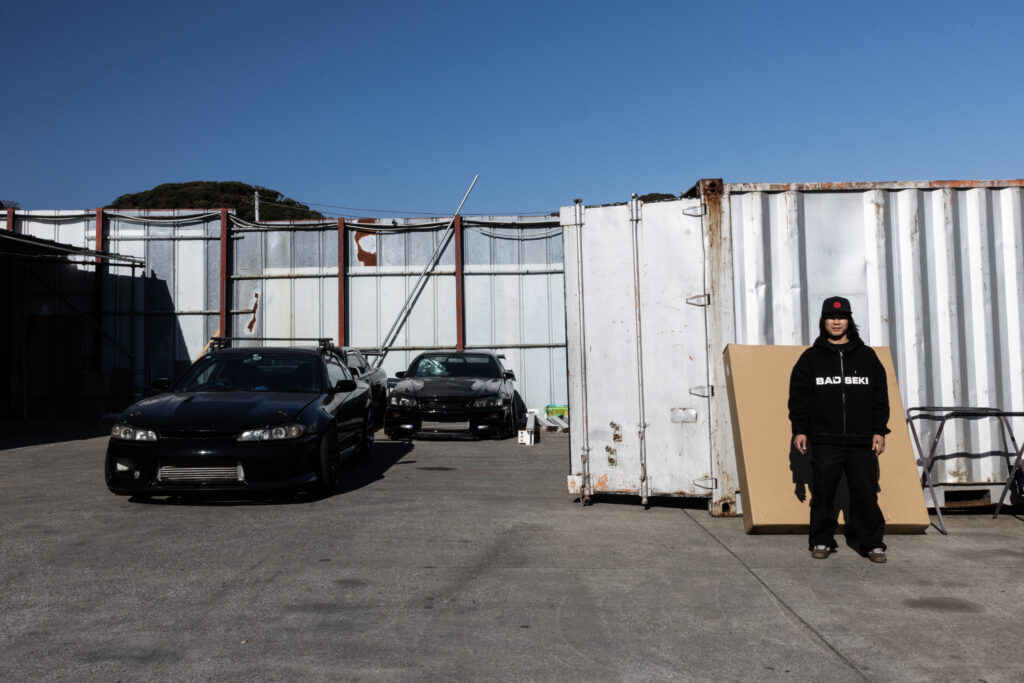
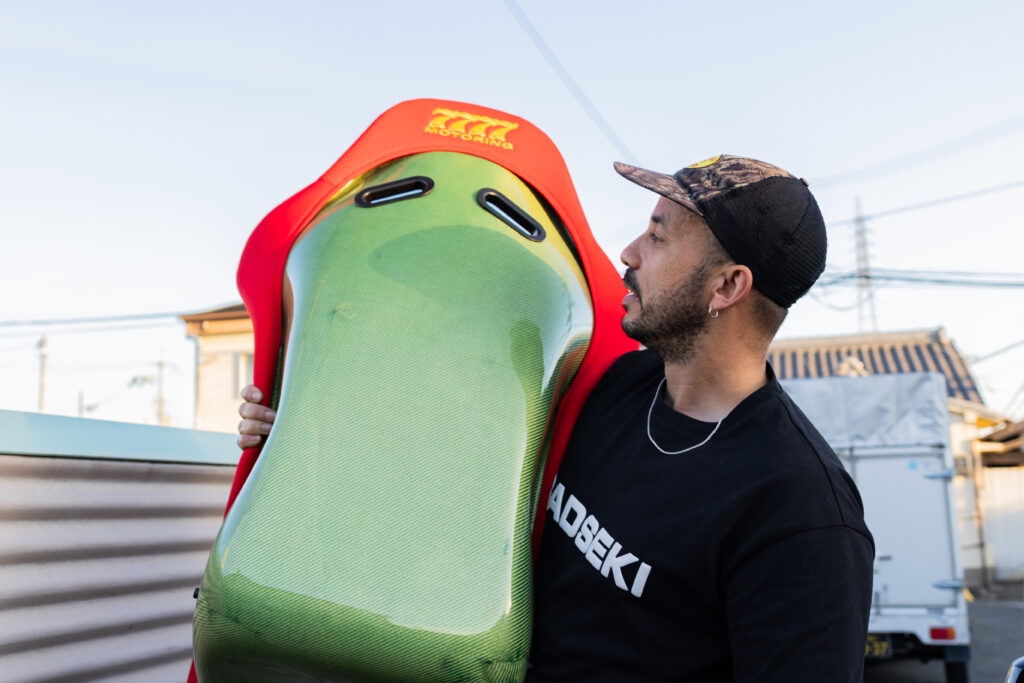
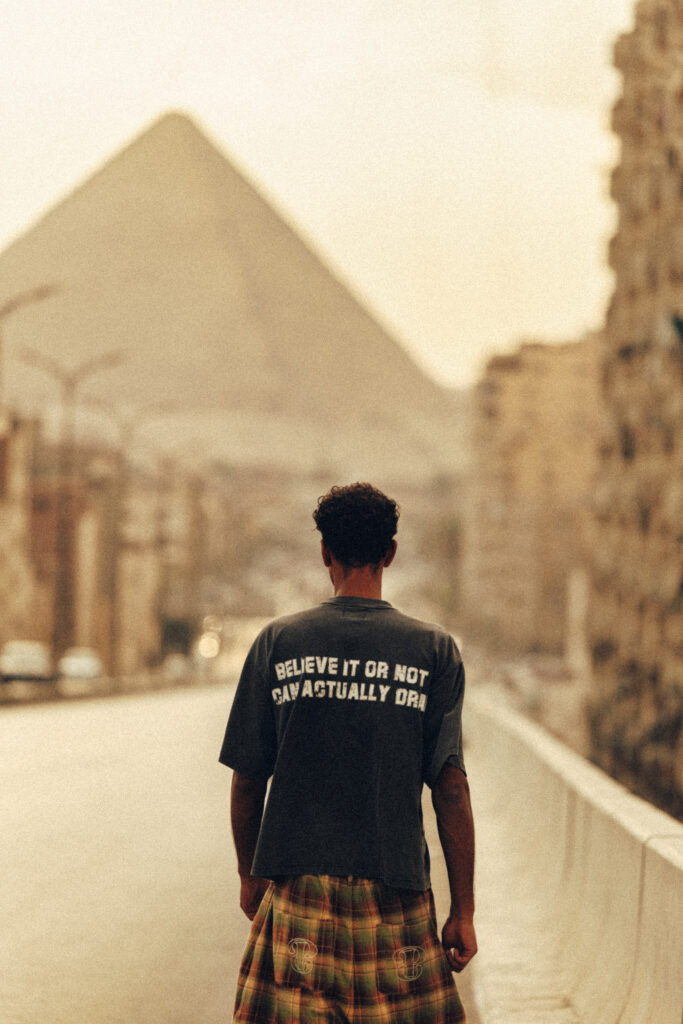
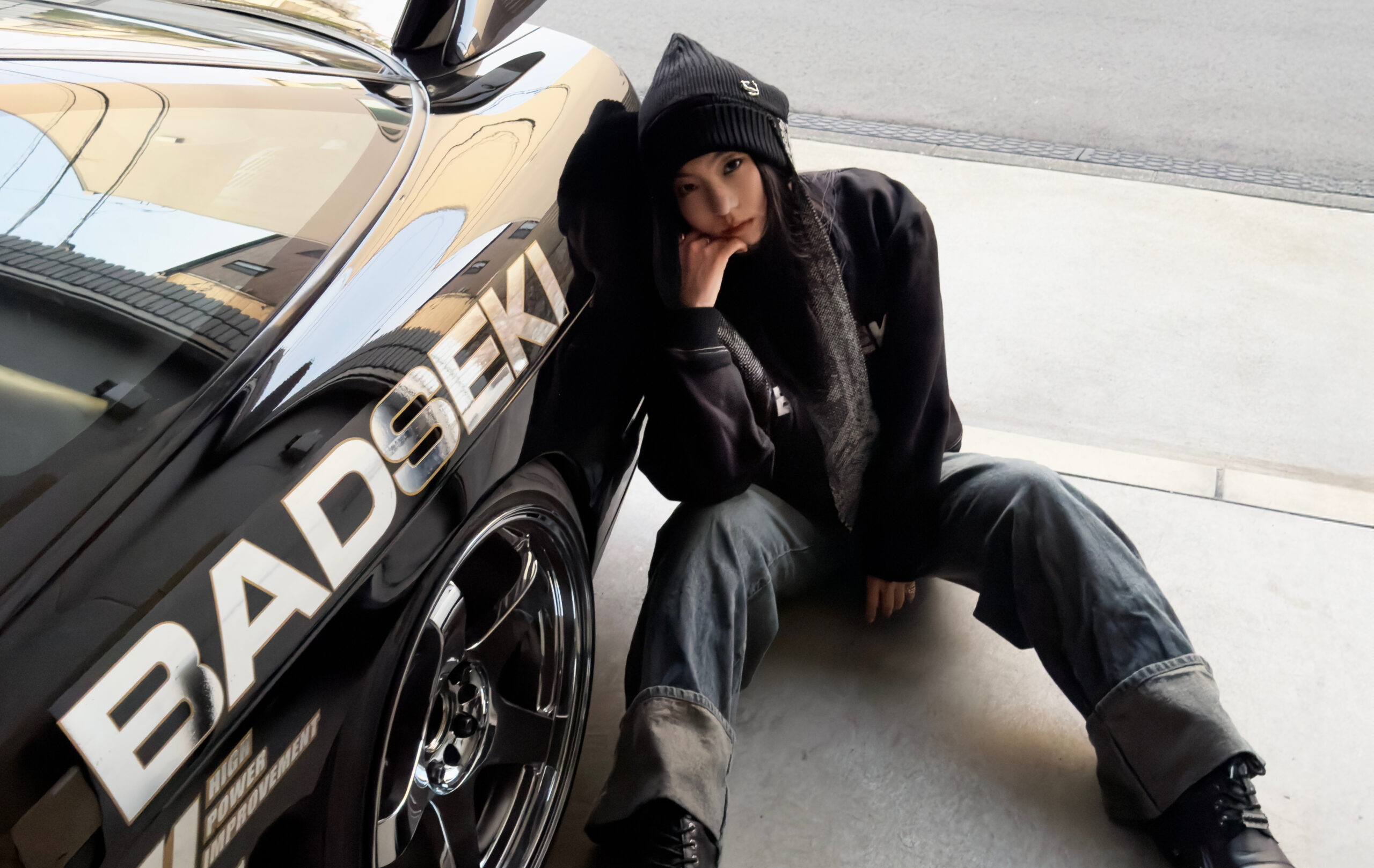
    Founded by professional drift racer Sara Choi, BADSEKI isn’t a fashion interpretation of motorsports it’s a translation of lived experience. Of grease stained garages, midnight tuning sessions, tire smoke, repetition, discipline, and obsession. It is clothing shaped by motion and purpose, not trend cycles.

    Unveiled in Tokyo during Auto Salon 2026, BADSEKI made its first physical appearance through an intimate pop-up in Shibuya. Surrounded by Porsche builds curated by Rocket Bunny Racing’s Kei Miura and Japan’s legendary SUNRISE BLVD, the space blurred the line between streetwear and speed. Cars weren’t backdrops. They were part of the story.

    This wasn’t a launch designed for spectacle.

    It was a statement of belonging.


    Fashion Shaped by Function

    Sara Choi approaches design the same way she approaches drifting: with precision, intention, and respect for the craft. BADSEKI garments are born from movement and repetition the realities of motorsport environments where durability matters as much as expression.

    Instead of pulling references from “car aesthetics,” BADSEKI pulls from the physical rhythm of the culture:

    • The way mechanics move
    • The tools they touch daily
    • The environments that wear into clothing over time

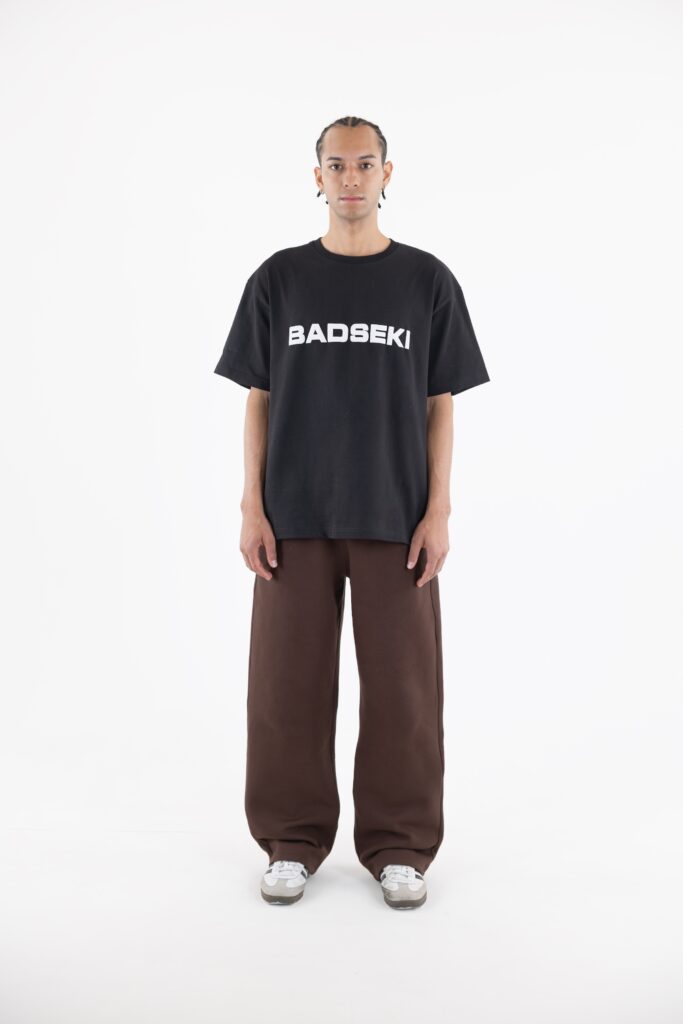
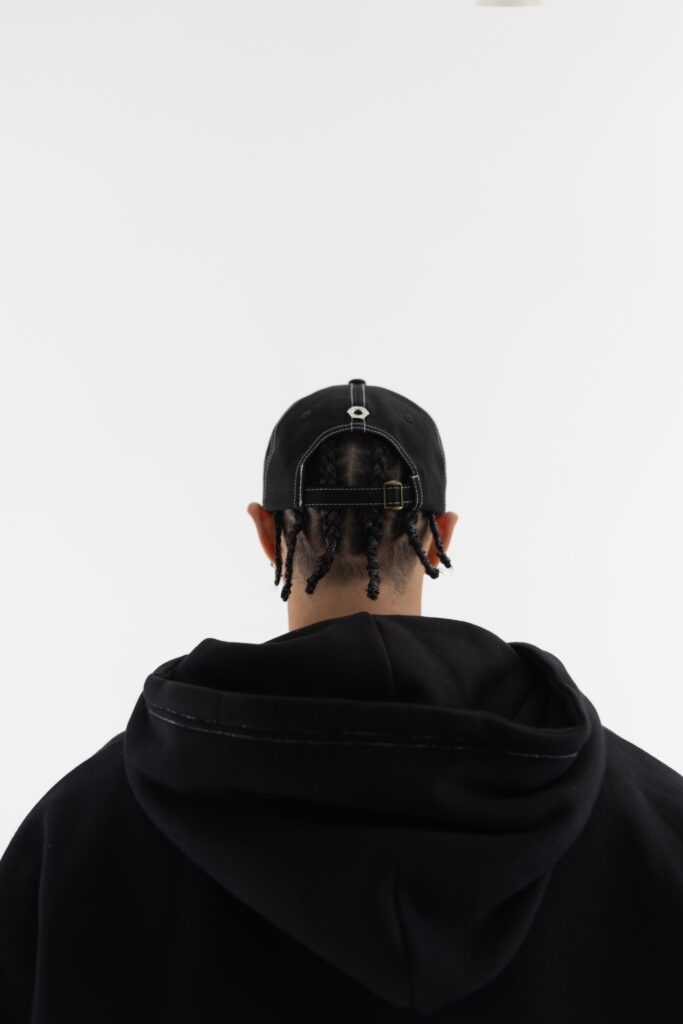
    The brand’s pre-collection centers on elevated essentials crafted from high grain cotton, offered in deep black and burnished mahogany tones. At its core is the 10mm hex nut a universal symbol in any garage. Small, overlooked, but essential. BADSEKI transforms it into a recurring emblem that bridges utility and identity.

    T-shirts, sweaters, pants, and caps feel understated but intentional. These are garments designed to live in real spaces: tracks, workshops, city streets, and late night drives.


    Beyond the Garment: A Living Archive

    What separates BADSEKI from typical streetwear is its commitment to people before product.

    For its launch campaign and accompanying docuseries, the brand spent two years documenting figures who helped shape drift culture from the inside. Not influencers. Not surface level icons. But builders, racers, and visionaries who preserved the soul of the movement.
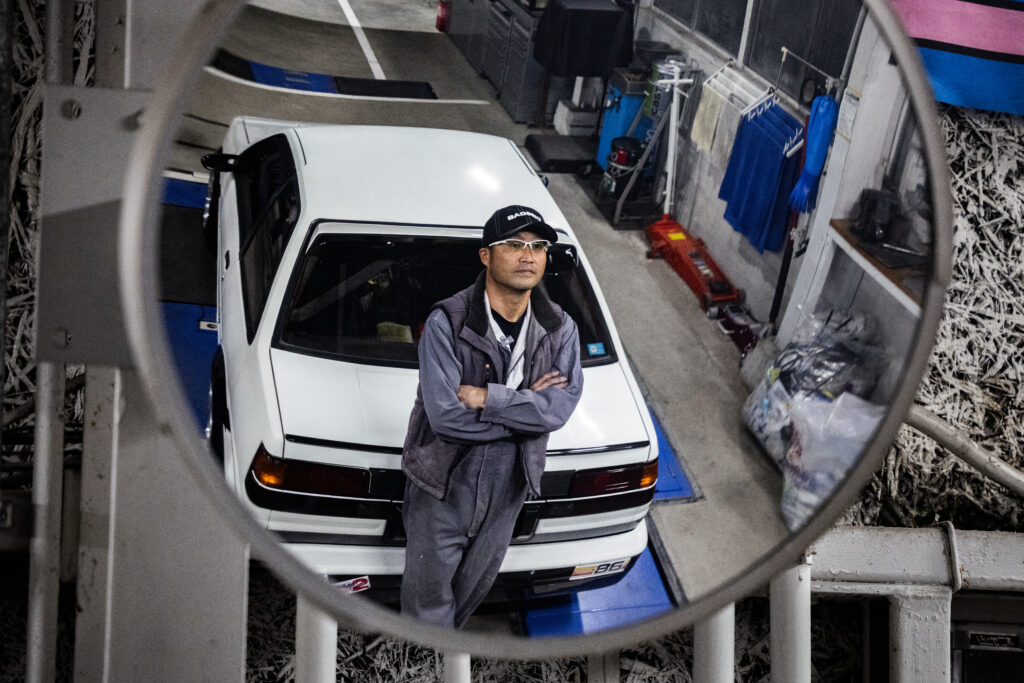
    Featured collaborators include:

    • Kei Miura (Rocket Bunny Racing)
    • Naoki Nakamura (Five-time D1 champion)
    • Kota Takahashi
    • Ryota Hirakawa
    • Jean Christophe Pepino
    • Yusef Wallance
    • Yasu Shimomukai
    • Hyuma Kato
    • Satoshi Awaji
    • Hiro Sato

    Shot across Tokyo, Kanagawa, Kyoto, Osaka, and beyond, the series functions as a cultural archive. It documents devotion. Precision. Lifelong passion. It shows motorsport not as fashion imagery, but as a way of life sustained by individuals who rarely receive mainstream recognition.

    As Sara Choi puts it:

    “BADSEKI is about people before product. History before hype. And culture understood beyond the surface.”

    That philosophy lives in every frame.


    Tokyo Auto Salon: A Cultural Intersection

    The BADSEKI pop-up during Auto Salon wasn’t about merchandise alone. It was about context. Visitors walked through a space where streetwear met machinery. Where clothing shared oxygen with tuned Porsches. Where fashion and motorsports existed without hierarchy.

    Exclusive pieces were available only at the event, reinforcing BADSEKI’s commitment to physical community moments not just digital drops.


    What’s Next

    The pre collection launches globally for pre-order on February 12, 2026, ranging from $50–$110 USD.

    But the vision stretches further.

    The full BADSEKI collection arrives in April 2026, promising a more experimental, high fashion approach. Expect bolder silhouettes, more technical design language, and deeper exploration into the space between performance and expression.

    Future pop-ups, collaborations, and community driven events are already in motion.

    by PINES STUDIOS

  • Heritage in Motion: Team USA by Ralph Lauren

    Heritage in Motion: Team USA by Ralph Lauren

    For nearly two decades, Ralph Lauren has been quietly shaping the visual language of American athletic ceremony. For the Milano Cortina Winter Olympics, that legacy continues with two sharply defined uniforms for Team USA each one speaking a different dialect of the same story. One rooted in heritage and craft, the other in motion and modern performance. Together, they form a conversation between past and future, tradition and velocity.

    The Opening Ceremony look leans into Ralph Lauren’s Americana DNA. An ivory wool duffle coat anchors the silhouette, finished with wooden toggles that feel archival rather than nostalgic. Beneath it, an American flag intarsia turtleneck and tailored wool trousers sharpen the look into something ceremonial without becoming theatrical. It’s formal, but warm designed to stand still under stadium lights while carrying the weight of national symbolism with restraint.

    For the Closing Ceremony, the tone shifts. The duffle gives way to a bold, color blocked puffer jacket that feels kinetic, almost aerodynamic. Team USA graphics take center stage, paired with a streamlined wool turtleneck and crisp white utility pants that nod to athletic function. It’s less about heritage and more about momentum what comes after the medals, the march forward, the quiet confidence of competition completed.

    Accessories tie both looks together: intarsia knit hats and mittens in red, white, and blue, brown suede alpine boots, leather belts details that matter because they’re considered. Every piece is made in the USA, reinforcing the collection’s ethos not as costume, but as craft. As David Lauren notes, these uniforms aren’t just garments they’re stories, designed to reflect optimism, excellence, and the enduring American spirit against the backdrop of Milan, one of fashion’s grat capitals.

    Beyond the ceremonies, the Ralph Lauren Team USA Collection extends that narrative to the public. Military inspired outerwear, leather flight jackets, olive bombers, and Olympic marked essentials bring the same palette and intention into everyday wear for men, women, and children alike. It’s not merch. It’s continuity. A reminder that style, when done right, can carry meaning long after the final torch is extinguished.

    PINES STUDIO

  • Midnight Tiger: A Winter Ride with Qiolor

    Midnight Tiger: A Winter Ride with Qiolor

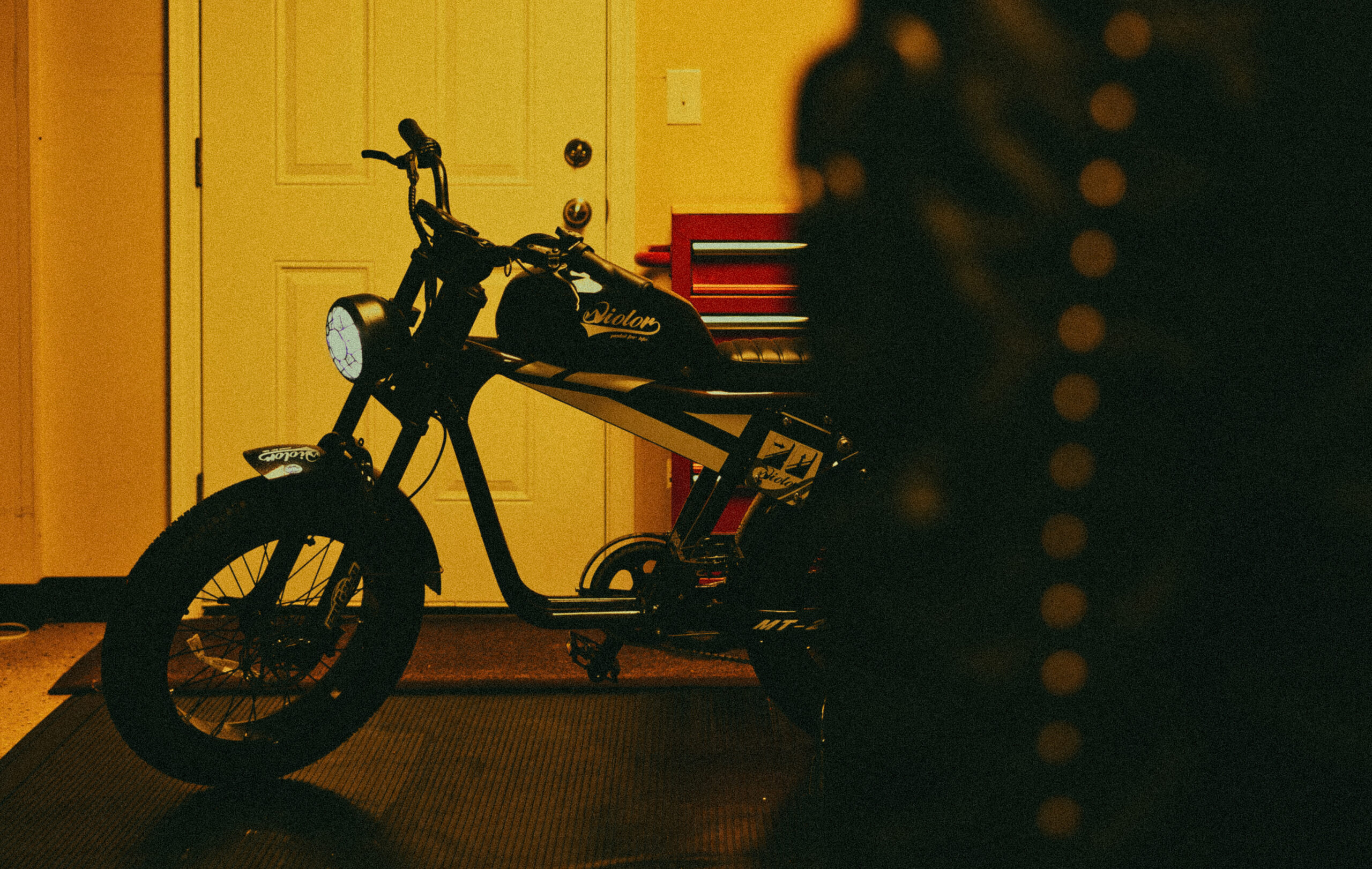
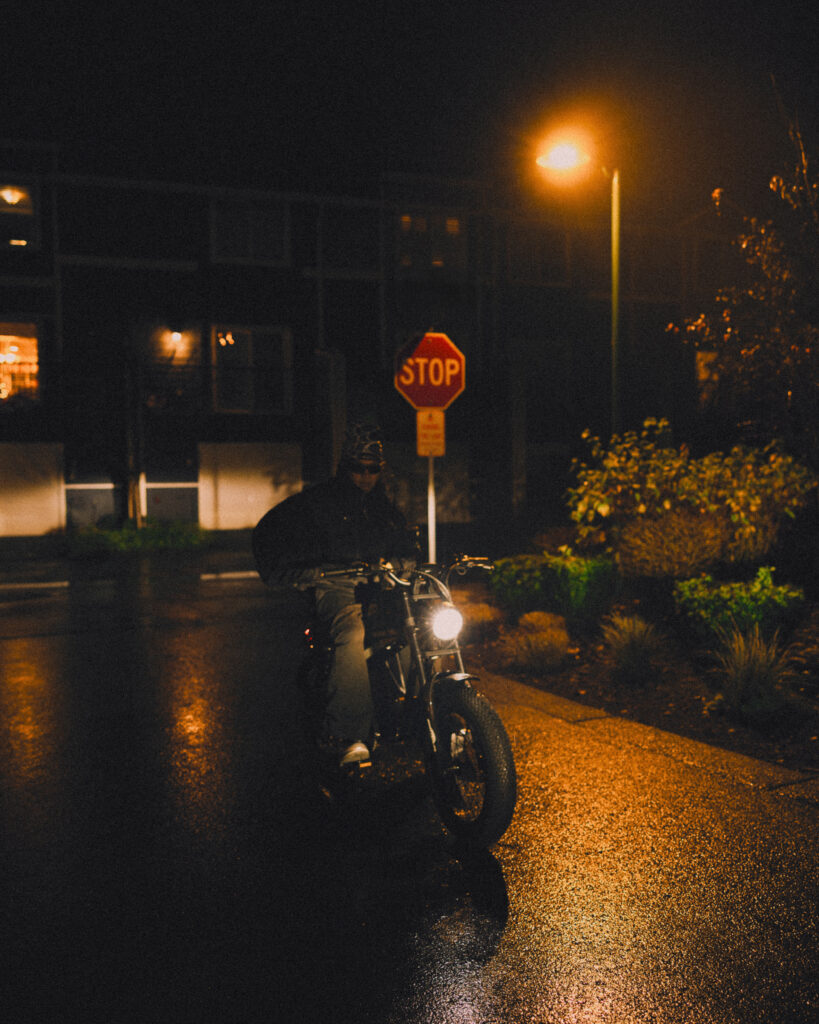
    There’s a certain kind of silence that only exists after rain. Streetlights humming, asphalt still breathing warmth, the world slowed just enough to notice the details. That’s where I first rode the Qiolor Tiger MT‑70 alone with the glow of the headlight and the quiet confidence of a machine built for both style and function.

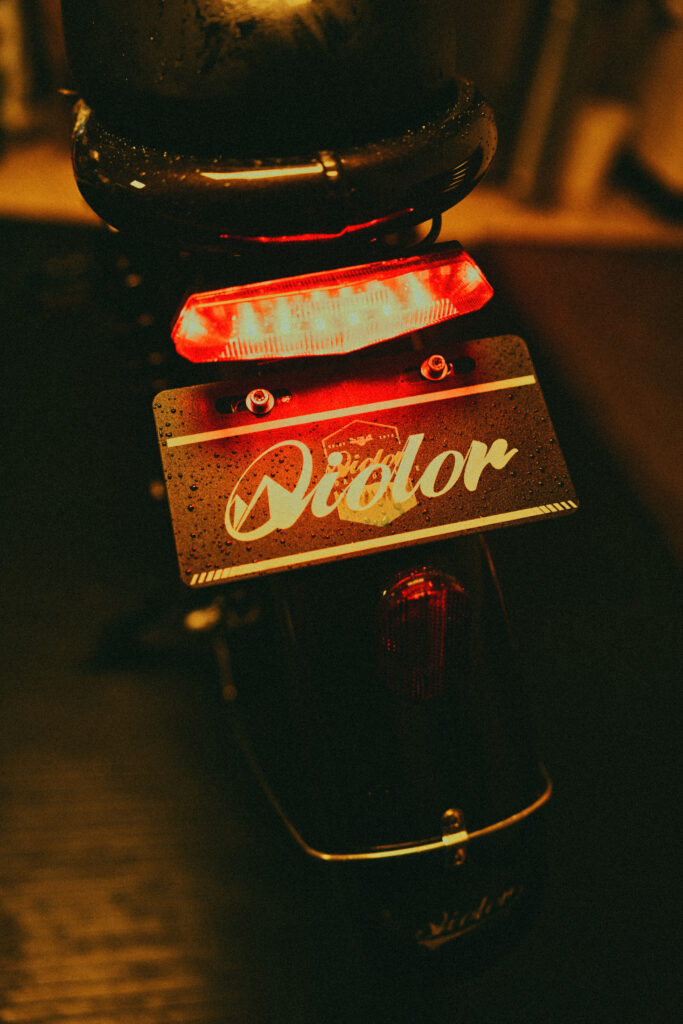
    This wasn’t just a bike it felt like a statement on wheels. Clean lines, matte black finish, thick tires grounded like a muscle car’s stance, and that unmistakable café racer silhouette that turns every errand into a scene from a film. The Tiger MT-70 doesn’t try to scream luxury. It simply is.


    Design That Lives Between Fashion and Function

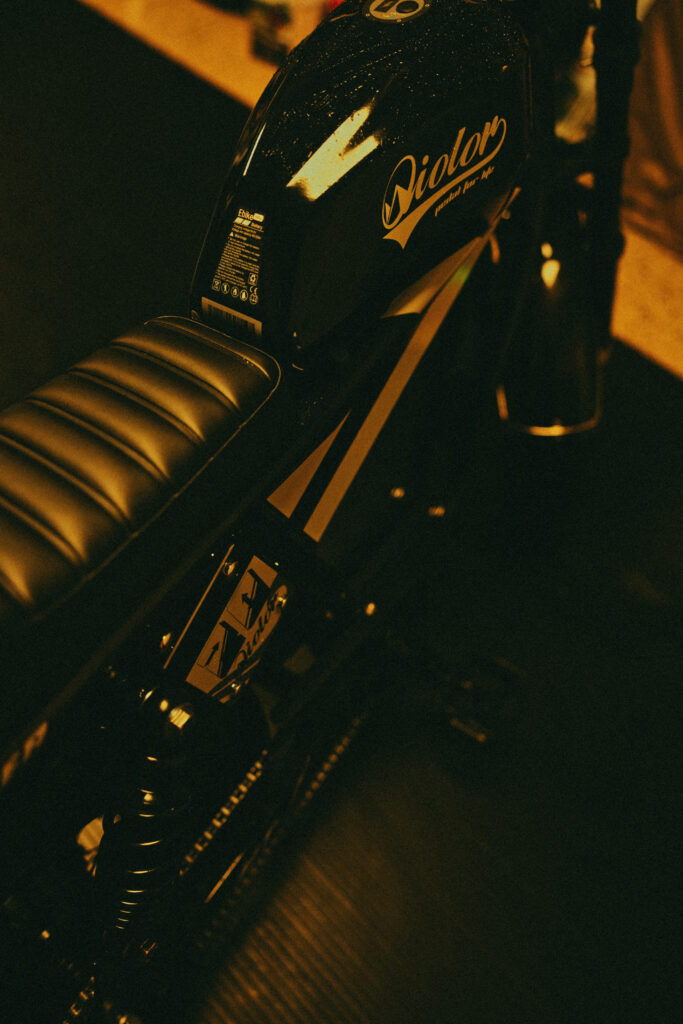
    The first thing you notice is the craftsmanship. The elongated seat, subtle stitching, and minimalist frame feel lifted from a vintage motorcycle archive but reimagined for modern city life. Every angle is intentional. It looks just as striking parked under a streetlight as it does rolling through wet pavement.

    This is a bike that doesn’t need motion to turn heads but once it’s moving, everything else fades into the background.


    Built for the City, Capable Beyond It

    The Tiger MT-70 is designed for everyday use without feeling everyday at all. It’s built for:

    • Urban cruising through neighborhoods, downtown streets, and late-night rides
    • Commuting without the stress of traffic or parking
    • Scouting locations for shoots quietly slipping into spaces a car never could
    • Leisure rides along coastlines, sidewalks, and residential roads

    Its electric assist makes distance feel effortless, while the wider tires give it stability on uneven roads, wet pavement, and light off-road paths. You’re not just riding you’re gliding.


    A Creative Tool Disguised as a Bike

    For creatives, this bike is more than transportation. It’s a location scouting machine. It allows you to:

    • Explore neighborhoods silently
    • Discover alleyways, rooftops, and overlooked corners
    • Move between sets without breaking momentum
    • Carry small gear without losing mobility

    It’s the kind of tool that quietly expands your creative range without demanding attention.


    Why It’s the Perfect Christmas Gift

    The Tiger MT-70 sits in that rare space between practical and poetic which makes it a perfect Christmas gift. It’s not just something you unwrap; it’s something that changes how you move through your city.

    It’s for:

    • The creative who hates sitting in traffic
    • The minimalist who appreciates design
    • The rider who doesn’t want a loud motorcycle but still wants presence
    • The person who values freedom wrapped in clean aesthetics

    It’s a gift that feels personal, useful, and cinematic all at once.


    The Pines Studio Take

    Some machines feel purely functional. Others feel purely beautiful. The Qiolor Tiger MT-70 sits comfortably in both worlds. It doesn’t just help you go from point A to point B it changes the feeling of the journey.

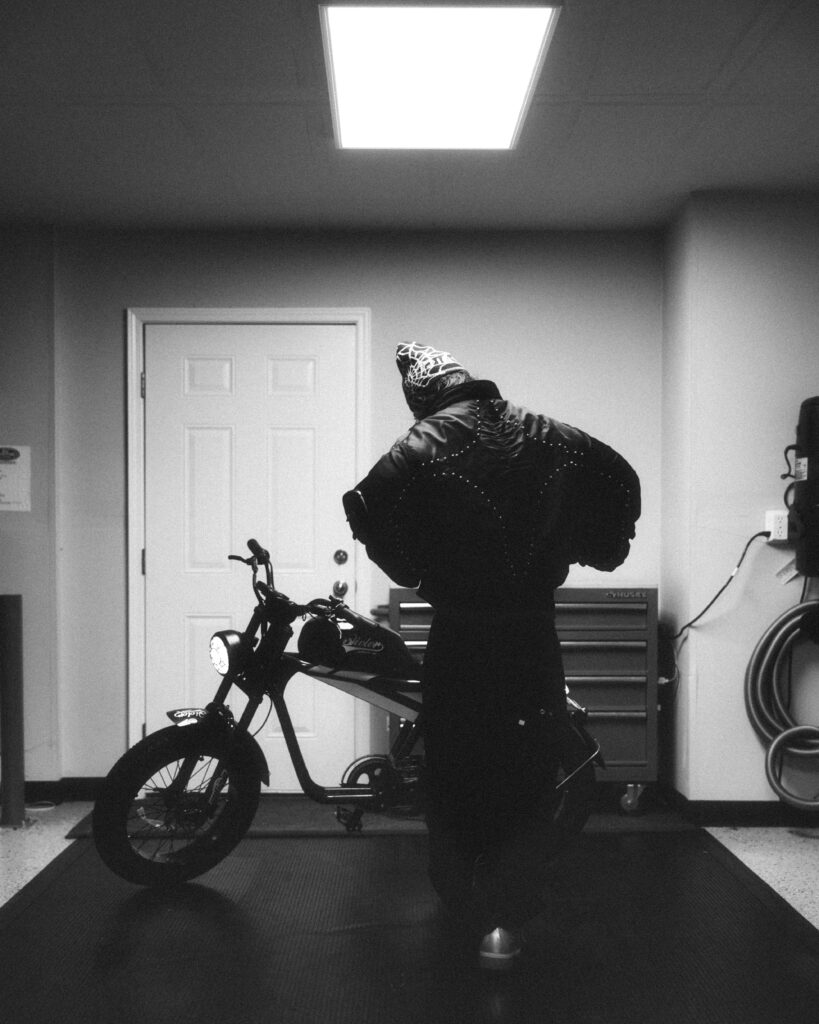
    On quiet streets, under streetlights, inside garages that smell faintly of oil and rain, this bike feels exactly where it belongs waiting for the next ride, the next frame, the next story.

    by PINES STUDIO

  • The Drop: Mattias Gollin x Vans the Art Basel Moment

    The Drop: Mattias Gollin x Vans the Art Basel Moment

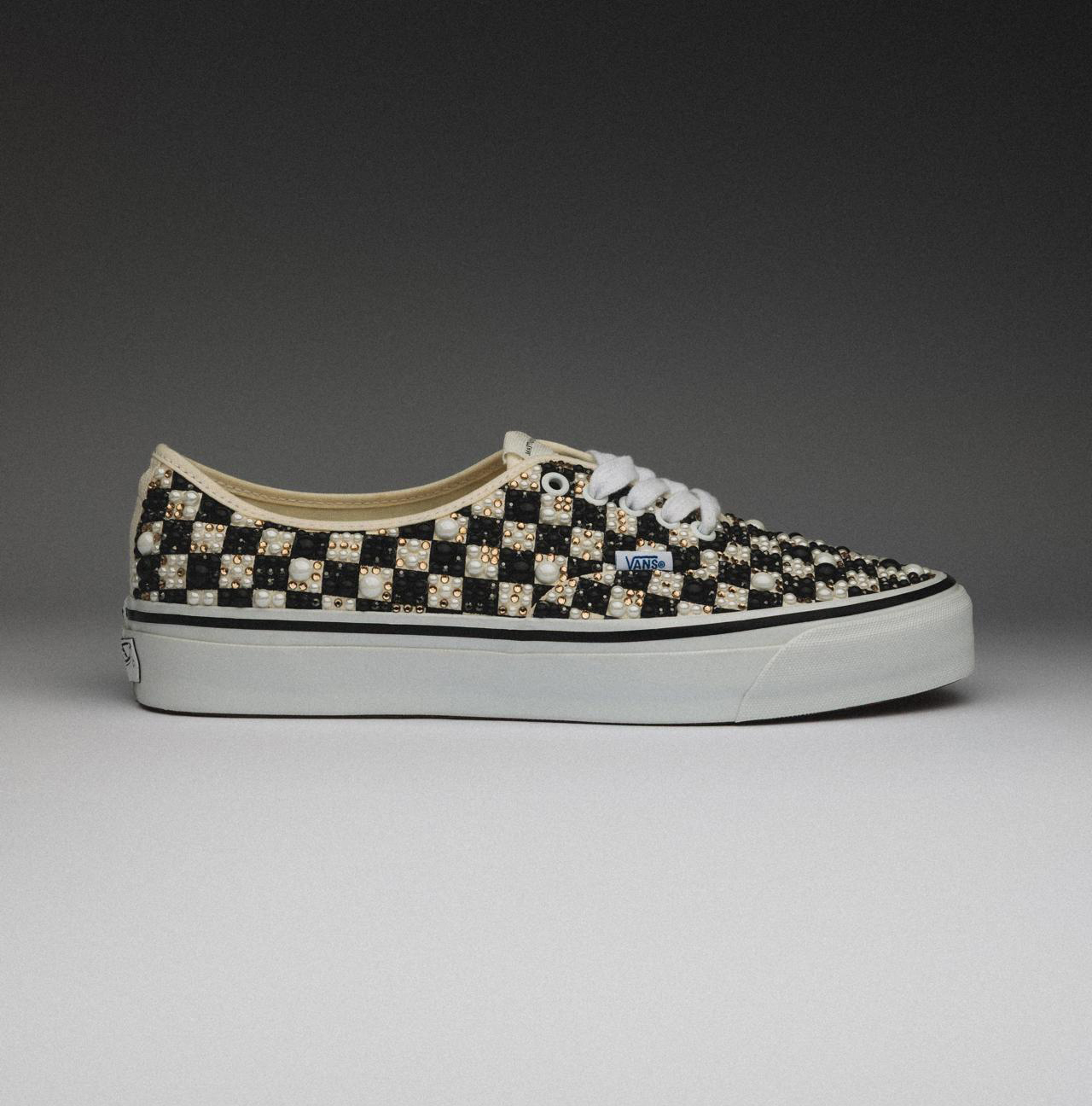
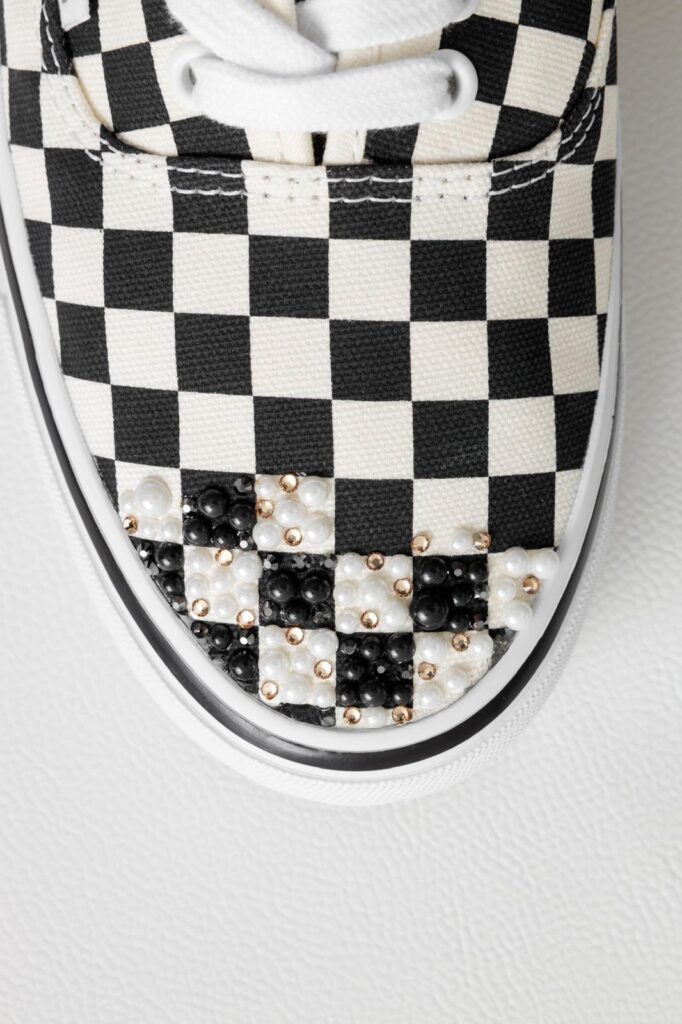
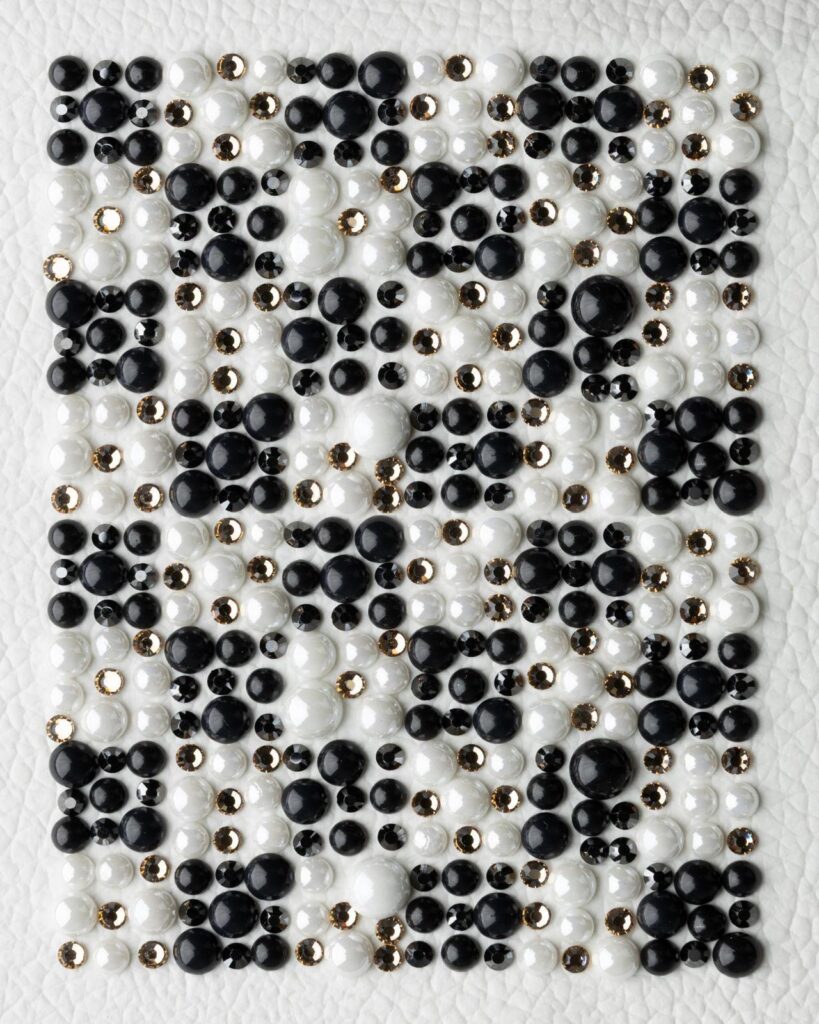
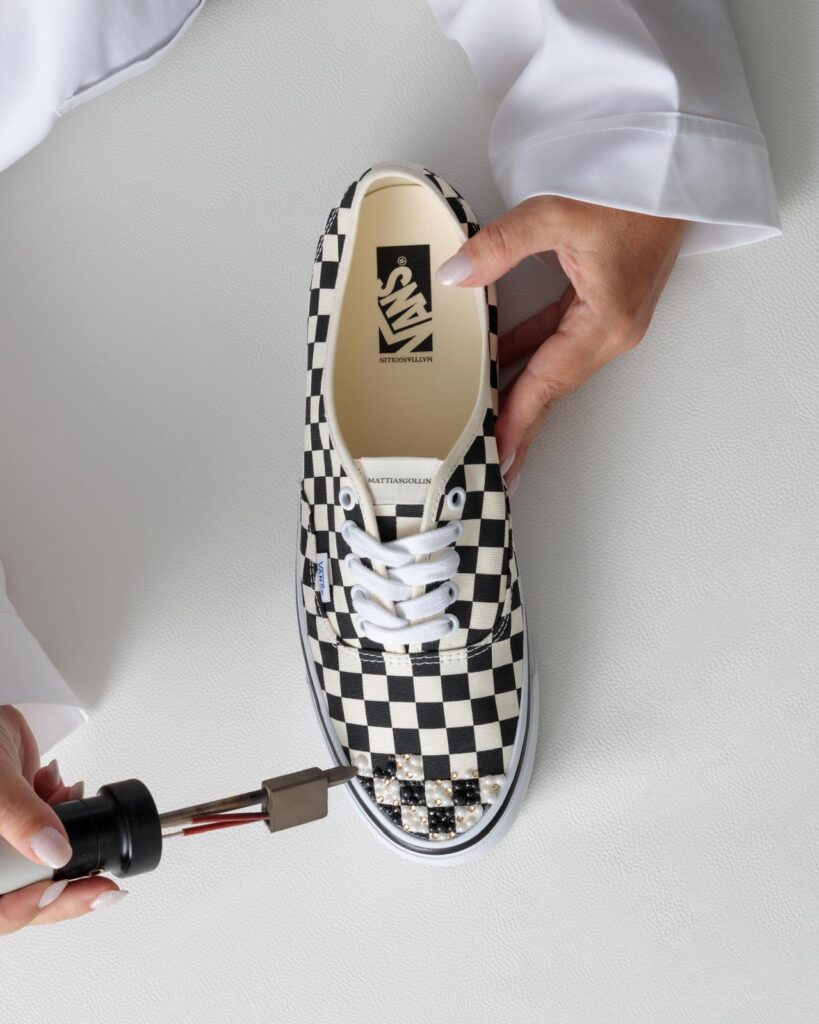
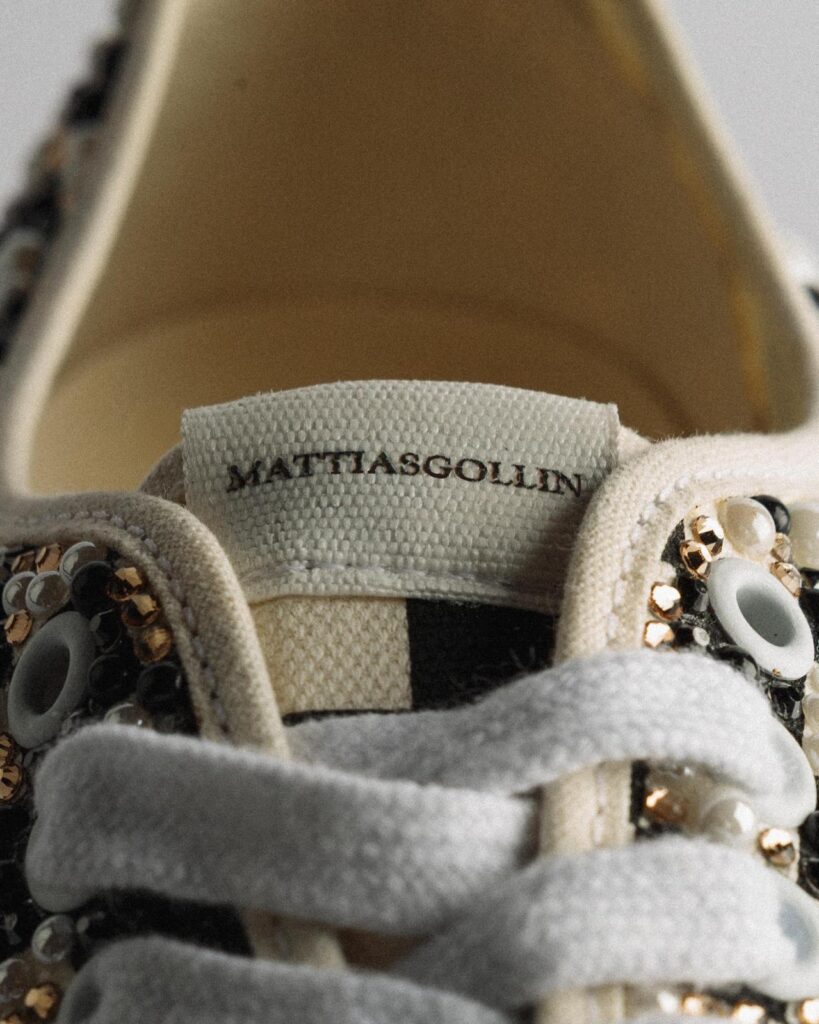
    On December 5, 2025, at Art Basel Miami (often loosely discussed as “Art Basel”), streetwear and art collided once again this time through the lens of masterful craftsmanship by Mattias Gollin. The release: a reimagined version of Vans’ classic Authentic sneaker, rebranded “Authentic,” hand embellished with pearls and crystals and constructed in Italy.   

    With only appointment only in person purchasing available, and a retail price of US $750, this drop was engineered to be as exclusive as it was expressive not just a sneaker release, but a limited edition art statement.  


    What Makes It Special: Craftsmanship, History & Hype

    • Hand crafted luxury rooted in footwear heritage  Gollin has deep ties to Italy’s footwear industry and approaches shoes as canvases for artistic expression.  
    • Turning a skate classic into wearable art  By overlaying pearls and crystals on the Vans Authentic, Gollin transforms a humble, utilitarian sneaker into something ornamental and sculptural.  
    • Scarcity amplifying desirability The appointment only release, limited stock, and high price point create a built in rarity, fueling hype and prestige among collectors and culture savvy sneakerheads.  

    Why This Collab Matters (Especially for Culture & Streetwear)

    This isn’t just another sneaker drop it’s a cultural statement. Gollin’s work straddles the line between streetwear and high fashion luxury, challenging conventions around what constitutes “cool,” “art,” and “wearable design.” By elevating a mass market silhouette (Vans Authentic) through painstaking hand craft and artisan detail, the collaboration disrupts both skate culture and high fashion norms.

    For the collector, it’s a trophy. For the fashion forward, a daring risk. For the art lover, a piece of wearable sculpture.


    What It Signals for the Future of Sneakers & Art

    • Expect more cross pollination between sneaker brands and independent designers/artists like Gollin especially those whose roots lie in craftsmanship and heritage rather than hype alone.
    • The line between “sneaker” and “luxury accessory” is getting thinner. Historically casual shoes are becoming canvases, blurring fashion categories.
    • Rarity and exclusivity not just limited colorways but limited quantity, handcrafted detail, and high art positioning may become the new standard for “premium” sneaker drops.

    by PINES STUDIO

  • NIKE X Jacquemus Après Ski Designed for the Elements

    NIKE X Jacquemus Après Ski Designed for the Elements

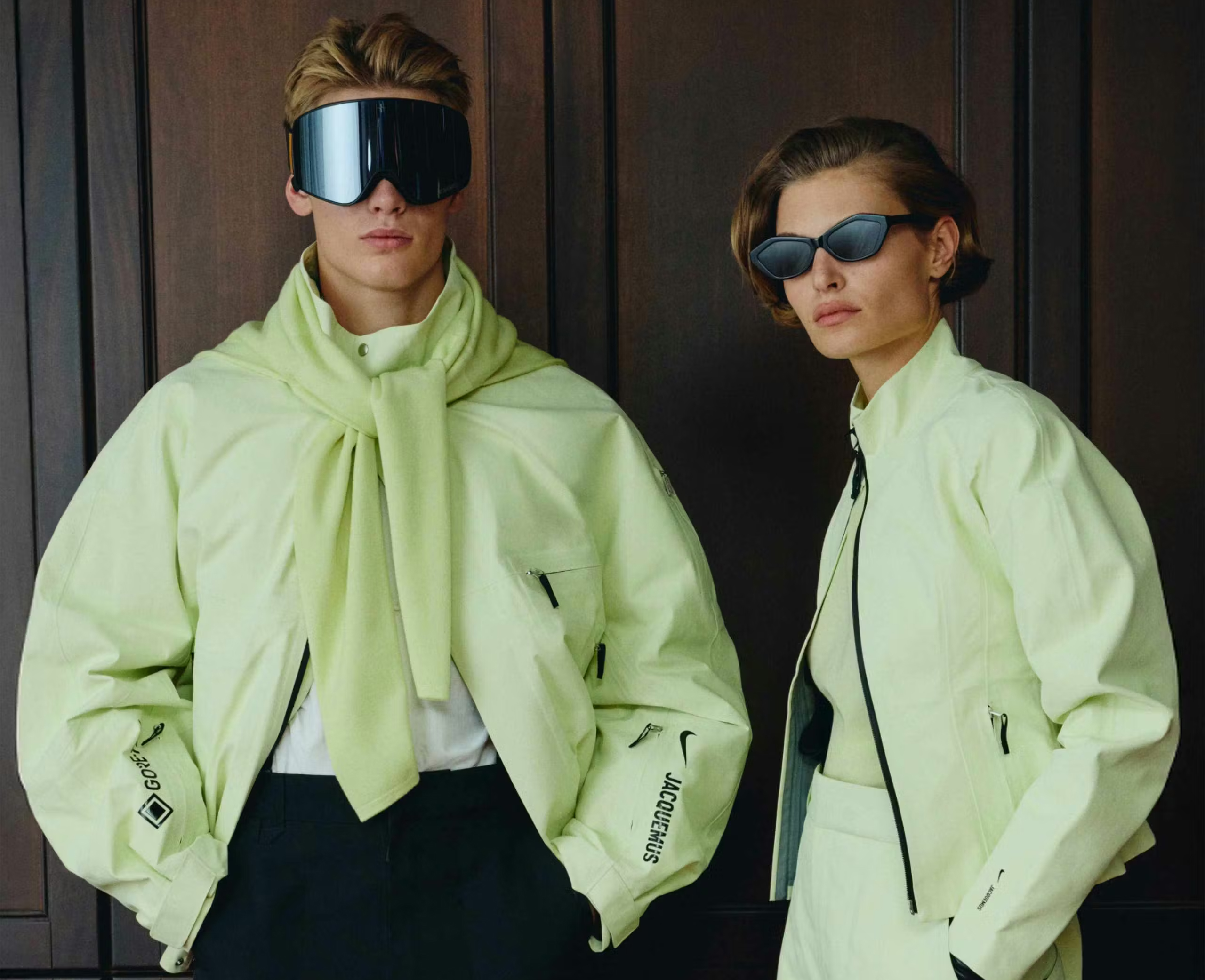
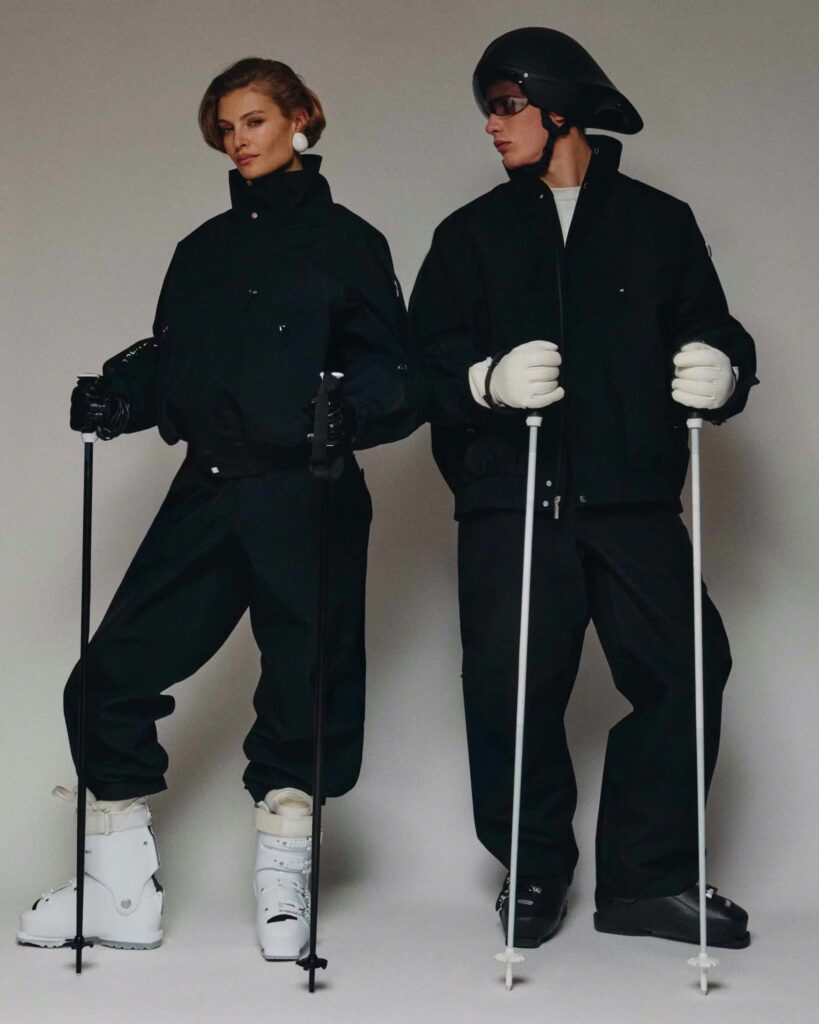
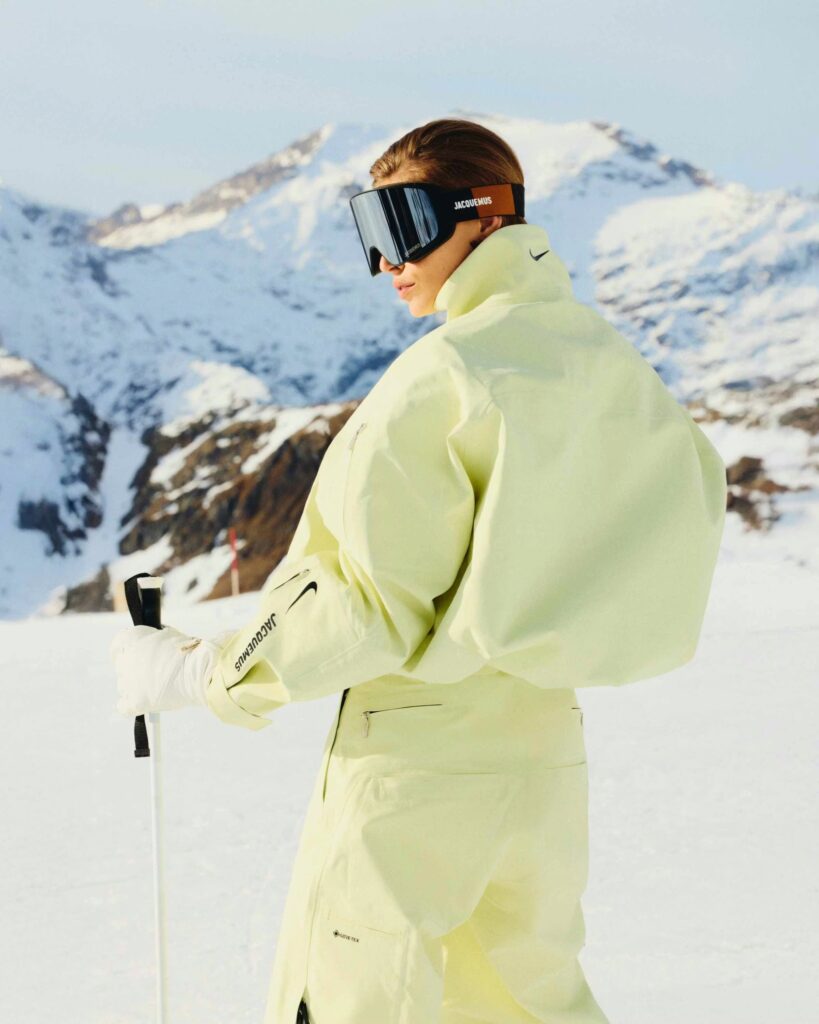
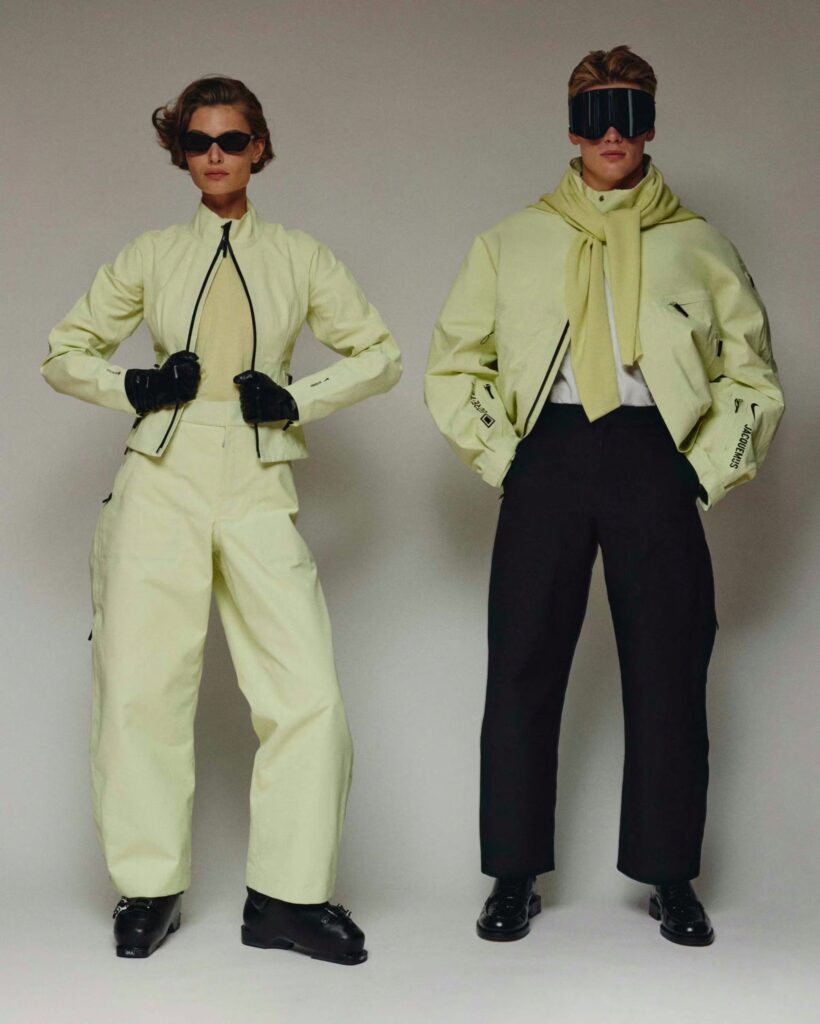
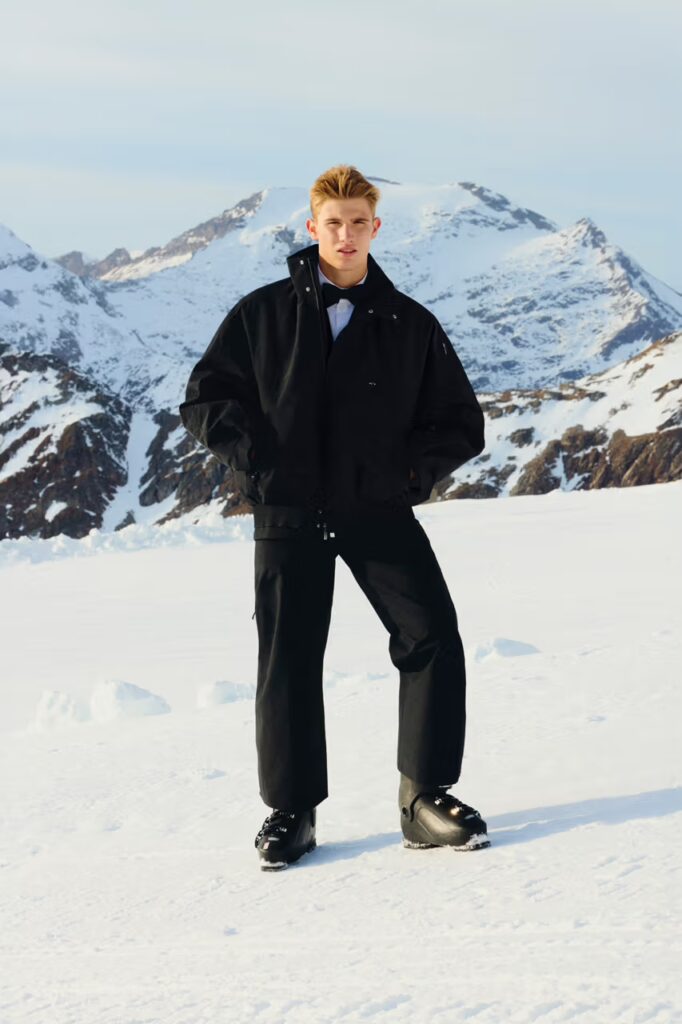
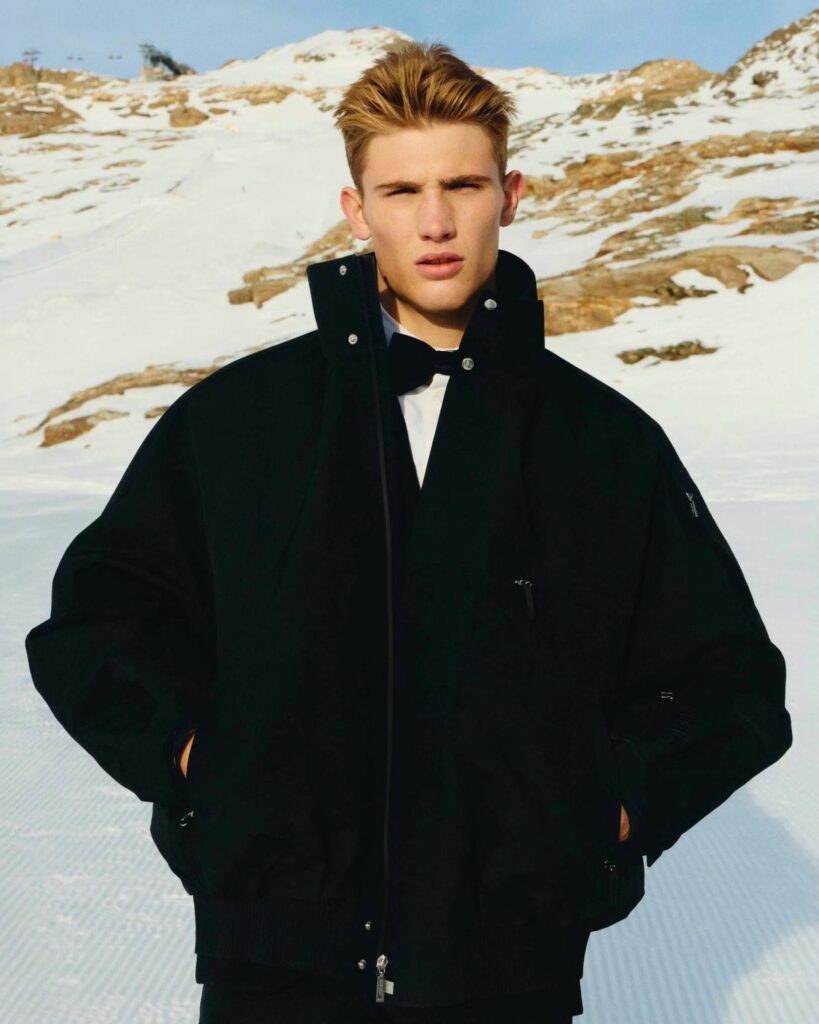
    The new Nike x Jacquemus Après Ski collection arrives as a quiet yet powerful statement on what modern winter performance can look like when precision meets poetry. Built as an 18 piece capsule, the range moves effortlessly between alpine utility and sculptural minimalism. Technical outerwear constructed with advanced weather resistant fabrics is softened by Jacquemus’s refined eye for proportion, color, and silhouette proving that function no longer has to compete with form.

    Designed to live both on the mountain and beyond it, the collection offers a tightly edited wardrobe of winter essentials: streamlined outer shells, tailored snow pants, and lightweight insulating layers that echo the nostalgic codes of vintage ski culture while feeling distinctly current. There’s a subtle nod to the glamour of 1980s alpine style, but reinterpreted through a modern, restrained lens each piece engineered for movement, protection, and visual clarity.

    For Simon Porte Jacquemus, the collaboration represents more than just a seasonal drop it’s a personal dialogue with a sport and lifestyle that shaped his upbringing. His lifelong connection to skiing and his fascination with archival winter gear are woven into the DNA of the collection, translating personal memory into contemporary design. Partnering with Nike’s technical expertise allowed Jacquemus to push into new territory, merging high-performance craftsmanship with his signature minimal sophistication. The result is a collection that feels equally at home cutting through fresh powder or standing quietly at the edge of an alpine horizon a new chapter in the language of modern après ski.

    BY PINES STUDIOS

  • JIJI NOODLES: THE GEOMETRY OF HUNGER | A Pines Studio Feature

    JIJI NOODLES: THE GEOMETRY OF HUNGER | A Pines Studio Feature

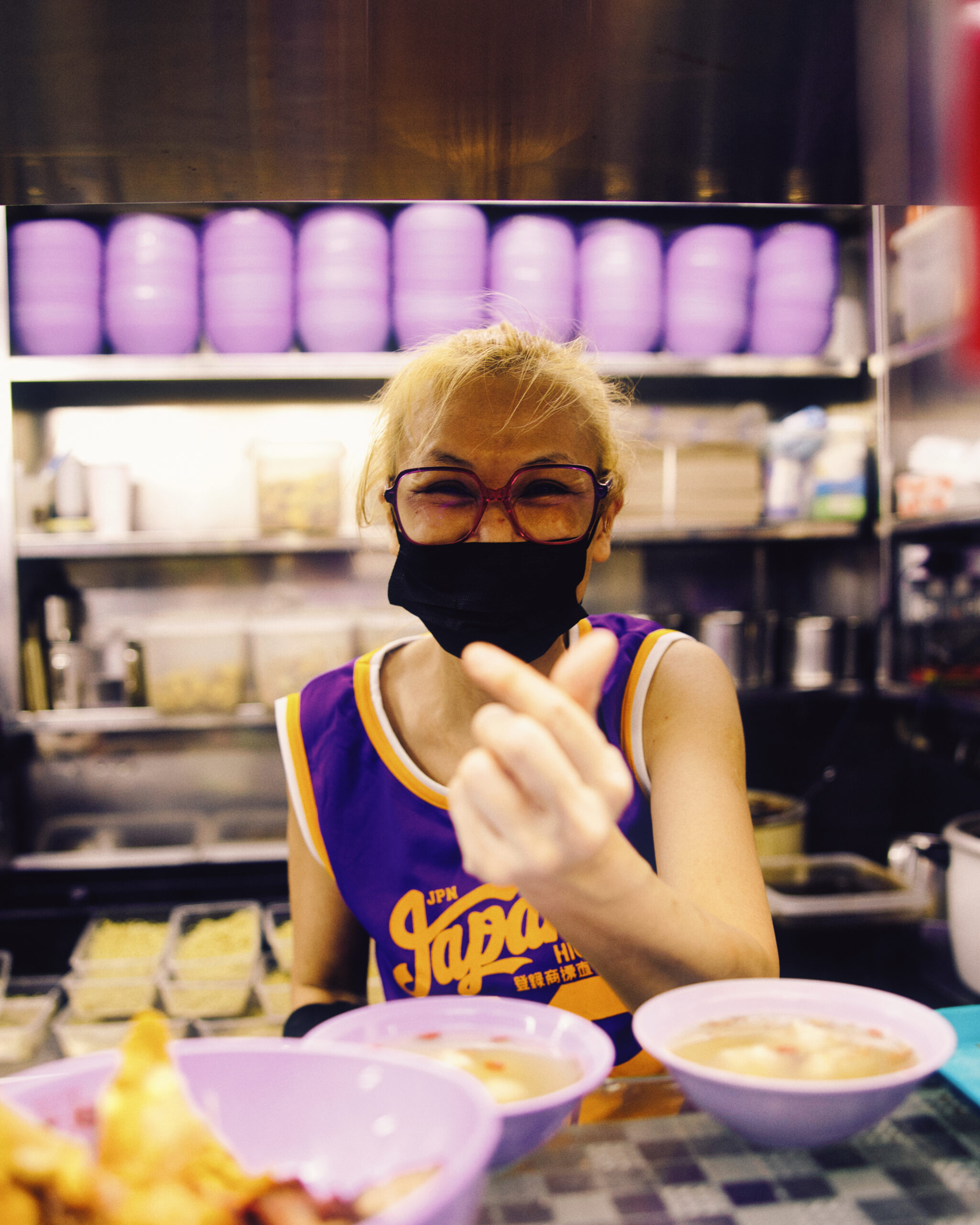
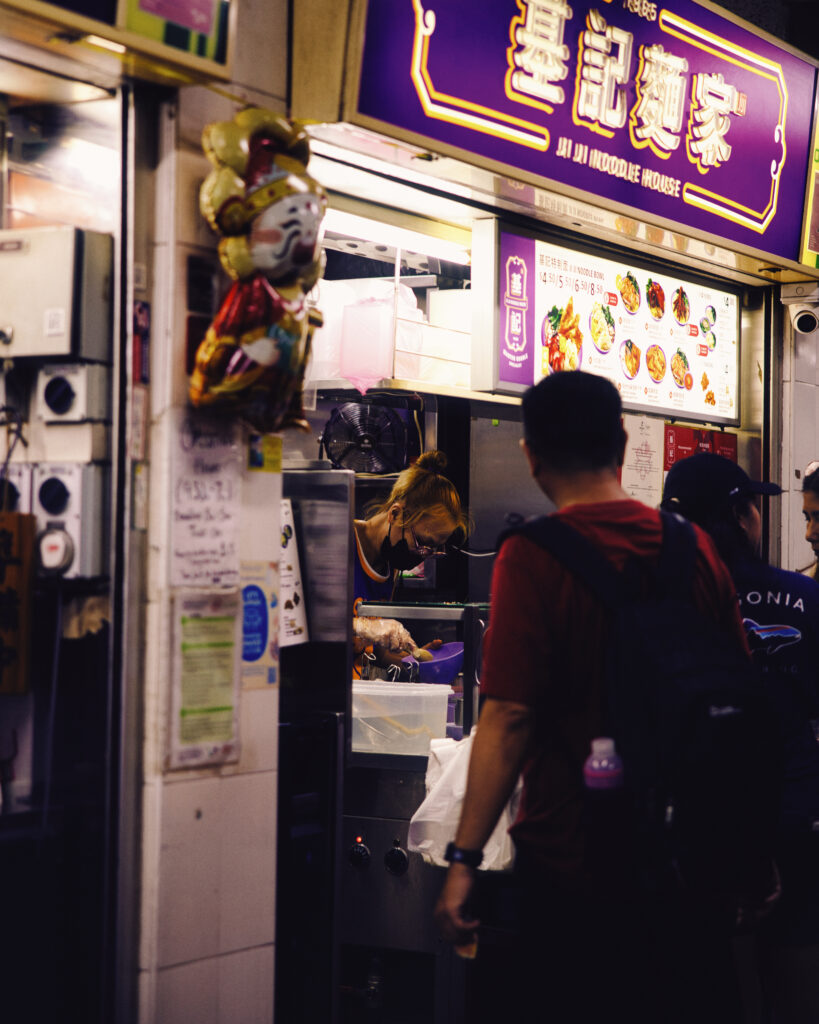
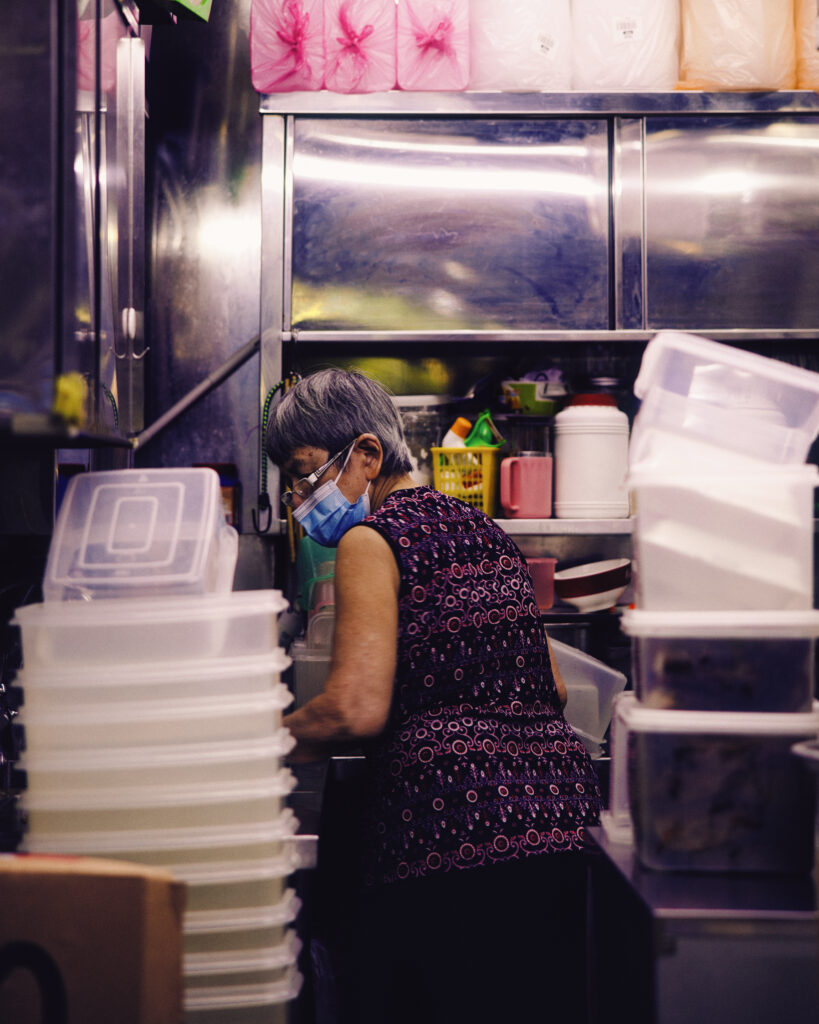
    The first thing you notice at Jiji isn’t the food it’s the sound. The hiss of the wok, the rhythm of the ladle, the soft percussion of porcelain against metal. It’s the kind of music that doesn’t ask for attention; it simply exists, like rain or memory. In that tiny stall surrounded by the chaos of a Singapore hawker center, time bends. Each plate that leaves the counter carries the same quiet precision a choreography of steam, motion, and care.

    Every bowl here is a study in restraint. The noodles are springy but patient, the sauce layered with the memory of decades. It’s not about presentation or reinvention it’s about devotion. Jiji doesn’t chase relevance; it maintains rhythm. In a city obsessed with what’s next, Jiji remains loyal to what’s real. The regulars return not just to eat, but to remember a taste of the past that refuses to be forgotten.

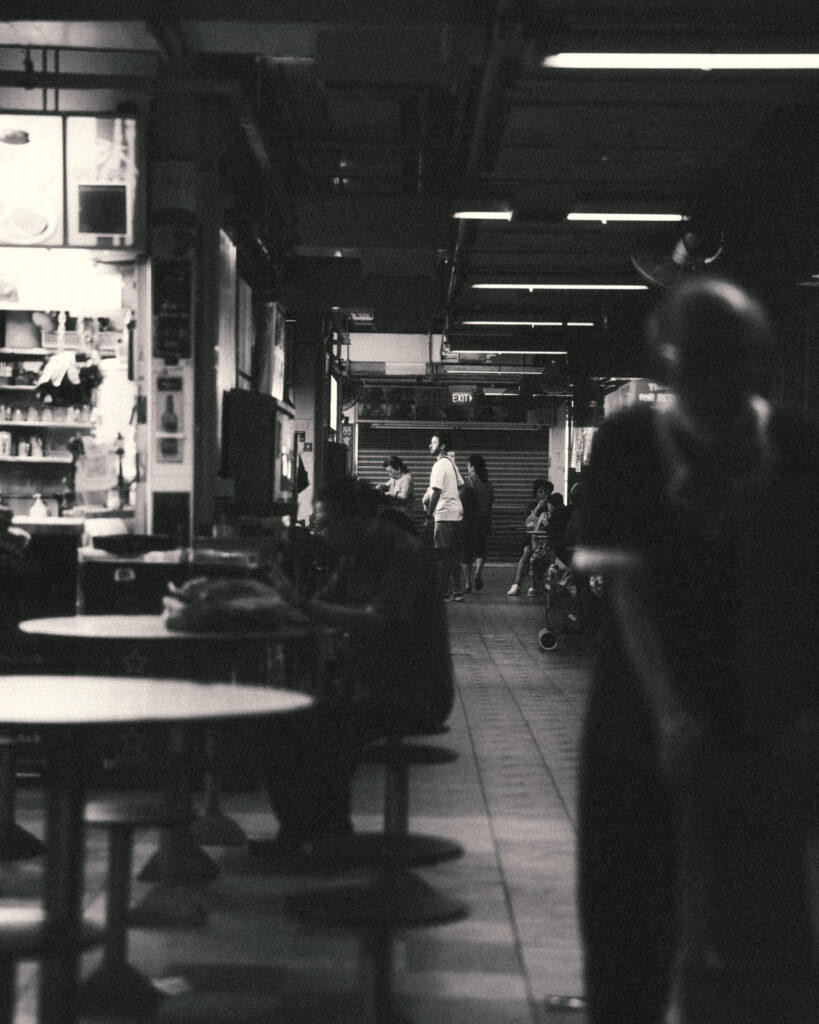
    Hawker centers are Singapore’s truest form of democracy tables shared by bankers, students, and taxi drivers, all equalized by appetite. At Jiji, you feel that intimacy between strangers, the brief but meaningful communion of eating side by side. The auntie remembers faces, not names. The regular’s nod is as sacred as a prayer. There’s no influencer culture here, no need for approval only the pursuit of flavor shaped by fire and repetition.

    What makes Jiji special isn’t innovation but integrity. It’s the invisible craft behind every flick of the wrist, every sauce mixed by instinct. The food doesn’t try to impress it simply insists on being honest. In the simplicity of one bowl lies the whole philosophy of the hawker world: make something so good it becomes permanent.

    And as the city continues to rise in glass and steel, Jiji stays grounded feeding both hunger and heritage. In its steam and spice lives a kind of permanence, proof that even in the most modern city, tradition still has a pulse. At Jiji, the future of Singapore still smells like garlic and fire and it’s served in a bowl that feels like home.

    by Pines Studios

  • SWEETEST ME A WORLD BY MAHIRU | A Pines Studio Feature

    SWEETEST ME A WORLD BY MAHIRU | A Pines Studio Feature

    There’s something disarmingly honest about Sweetest Me. It doesn’t announce itself as a concept album it simply breathes. Mahiru didn’t start with a grand message or storyline; she started with truth.

    Each song became a timestamp a snapshot of her emotions, her friendships, her quiet introspections. The result feels like pages torn from a private diary, where love and solitude co-exist without explanation. It’s not confessional for attention it’s confessional because it’s real.

    “I just wanted to make music that felt honest like whatever I was actually feeling in that moment.”


    If Mahiru’s past work lived in the fog of dreamy melancholy, Sweetest Me is sunlight after rain still tender, but warmer. Working with close friends shifted her creative chemistry; the sessions felt more like late-night conversations than studio marathons. That intimacy radiates through the record’s palette playful synths, candid laughter, and pauses that sound like she’s smiling between lines.

    “I worked with people around my age friends I hang out with on a regular basis and that chill, fun energy definitely came through in the songs.”

    The emotional spectrum widens from the gravity of heartbreak to the weightlessness of new beginnings. Mahiru doesn’t discard her melancholy; she redefines it.


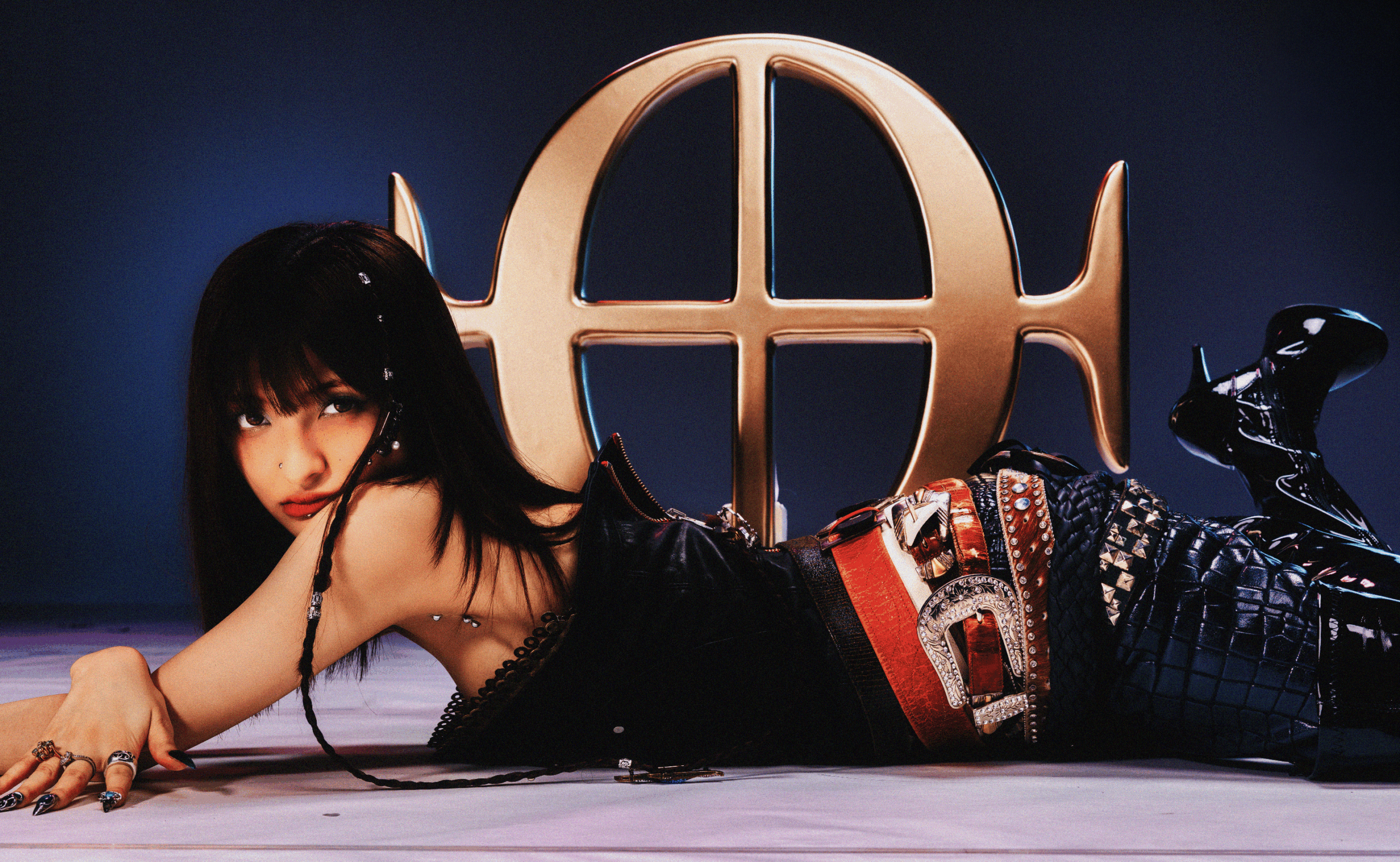
    The world of Sweetest Me extends beyond sound into the lens. Shot by Badboi, the cover captures Mahiru in her purest form: stripped down, luminous, framed by her signature Chordal Mark. The stark white studio and her minimal styling create a stage for sincerity no theatrics, no filters.

    Mahiru’s vision led the process; she designed the look, the pose, the mood. Together, the collaboration crystallized into an image that feels like silence after truth still, cinematic, alive.

    “Since this project is all about self-expression, I wanted the visuals to feel raw just me, in a simple space.”

    When the album ends, it doesn’t fade it lingers.

    The echo remains, suspended in the room, a quiet reminder that vulnerability can be the loudest thing in art.

    “I want listeners to feel overwhelmed like they need to go back and listen again just to process what happened.” – Mahiru

    by PINES STUDIOS
  • The Dialogue of Worlds: Murakami x Louis Vuitton 2025

    The Dialogue of Worlds: Murakami x Louis Vuitton 2025

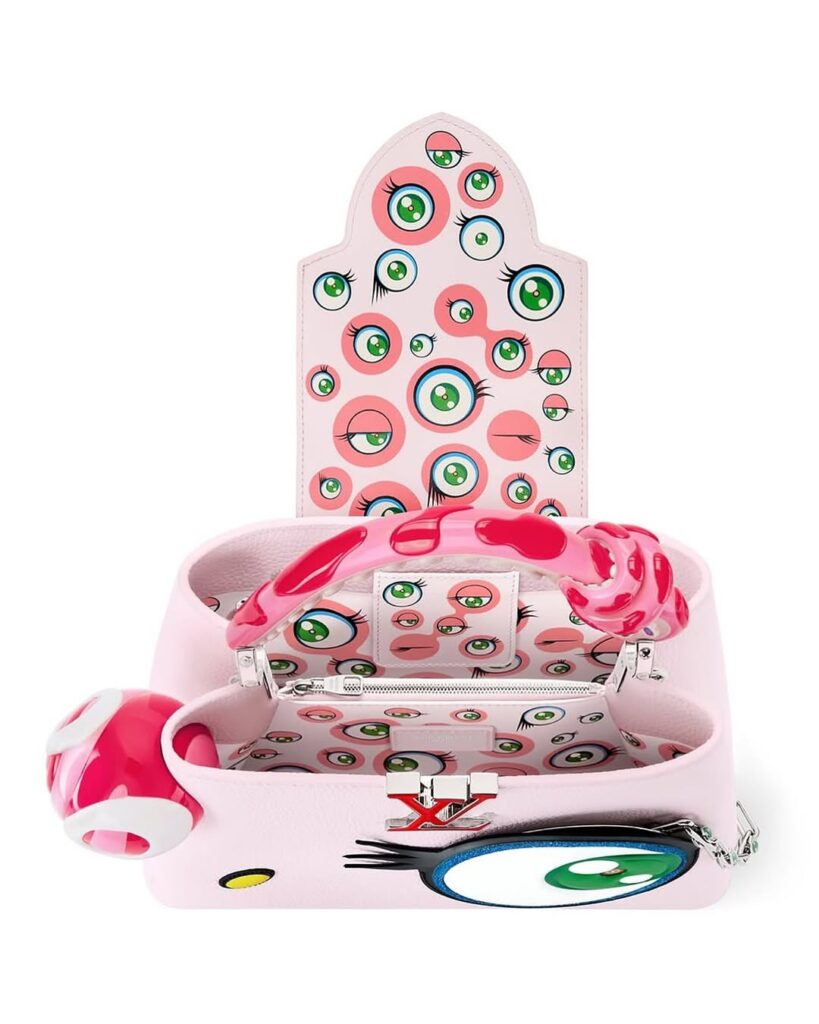
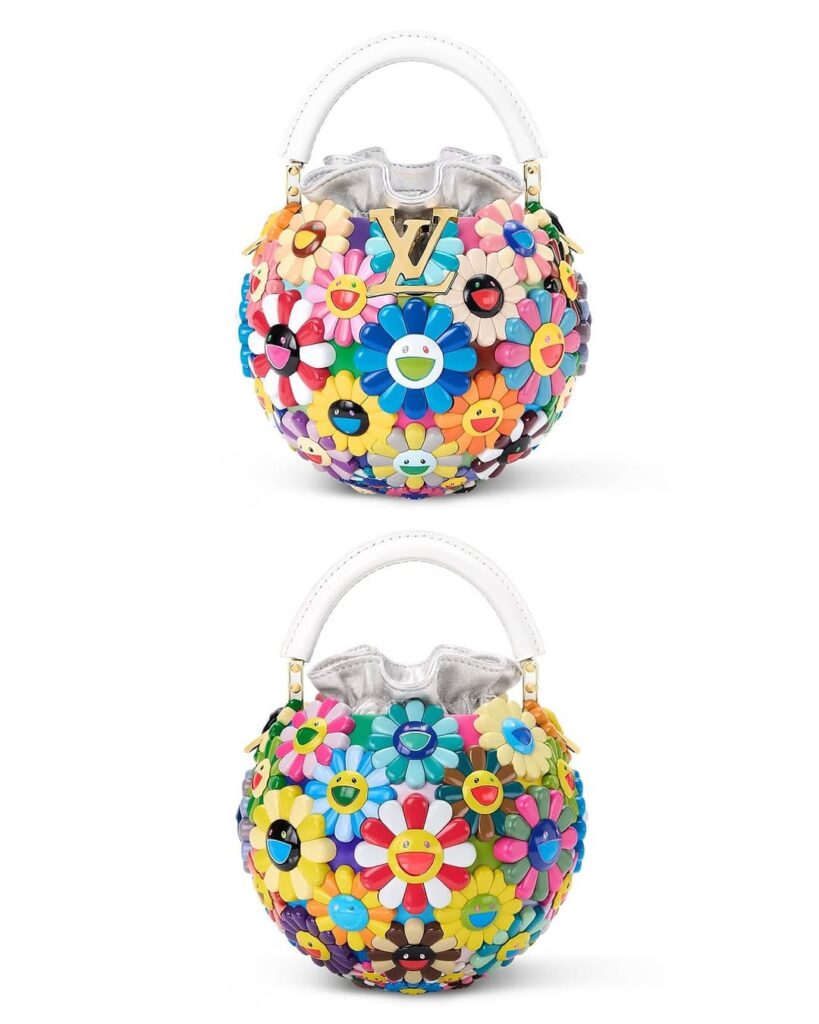
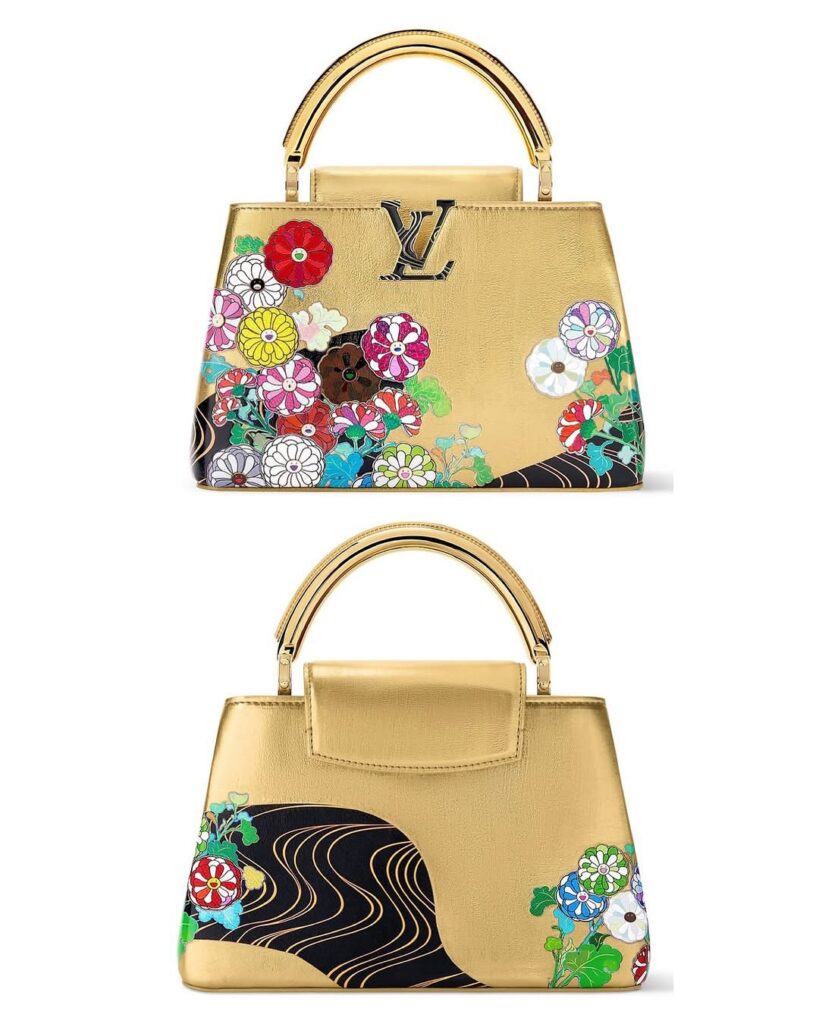
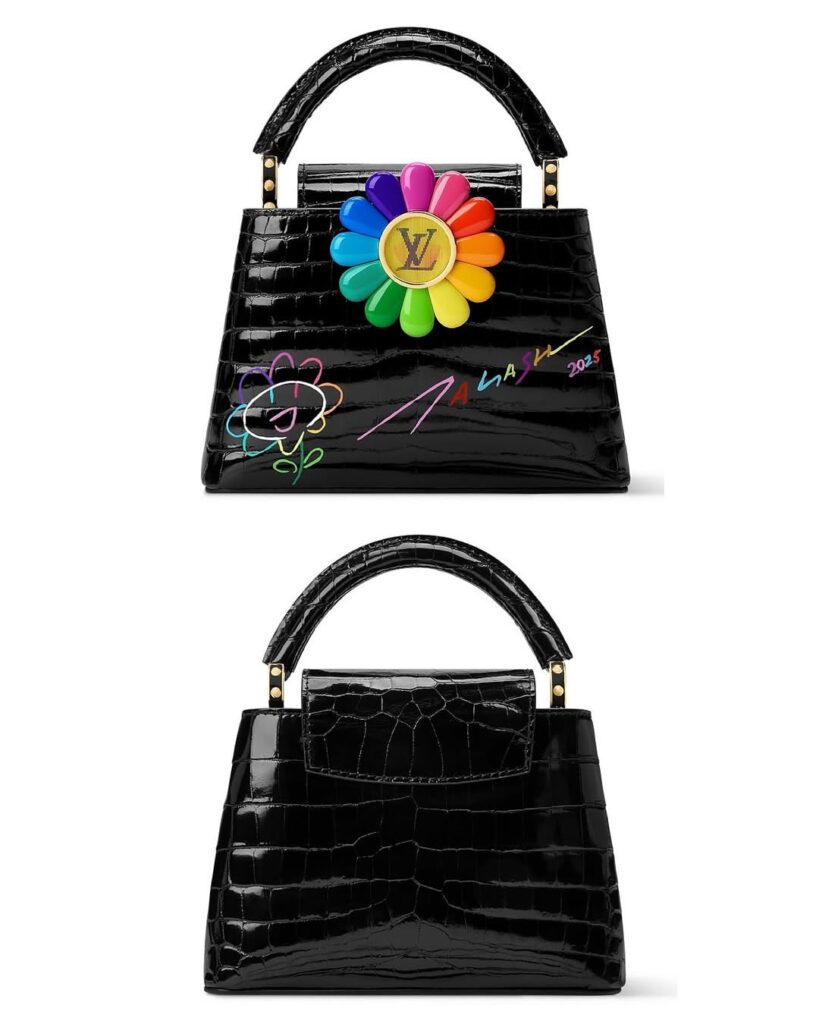
    For more than two decades, Takashi Murakami’s relationship with Louis Vuitton has reshaped how we understand the intersection of fine art and luxury. What began in 2003 with the now iconic Monogram Multicolored under Marc Jacobs has evolved into a fully realized artistic dialogue one that fuses the Maison’s meticulous savoir-faire with Murakami’s hallucinatory imagination.

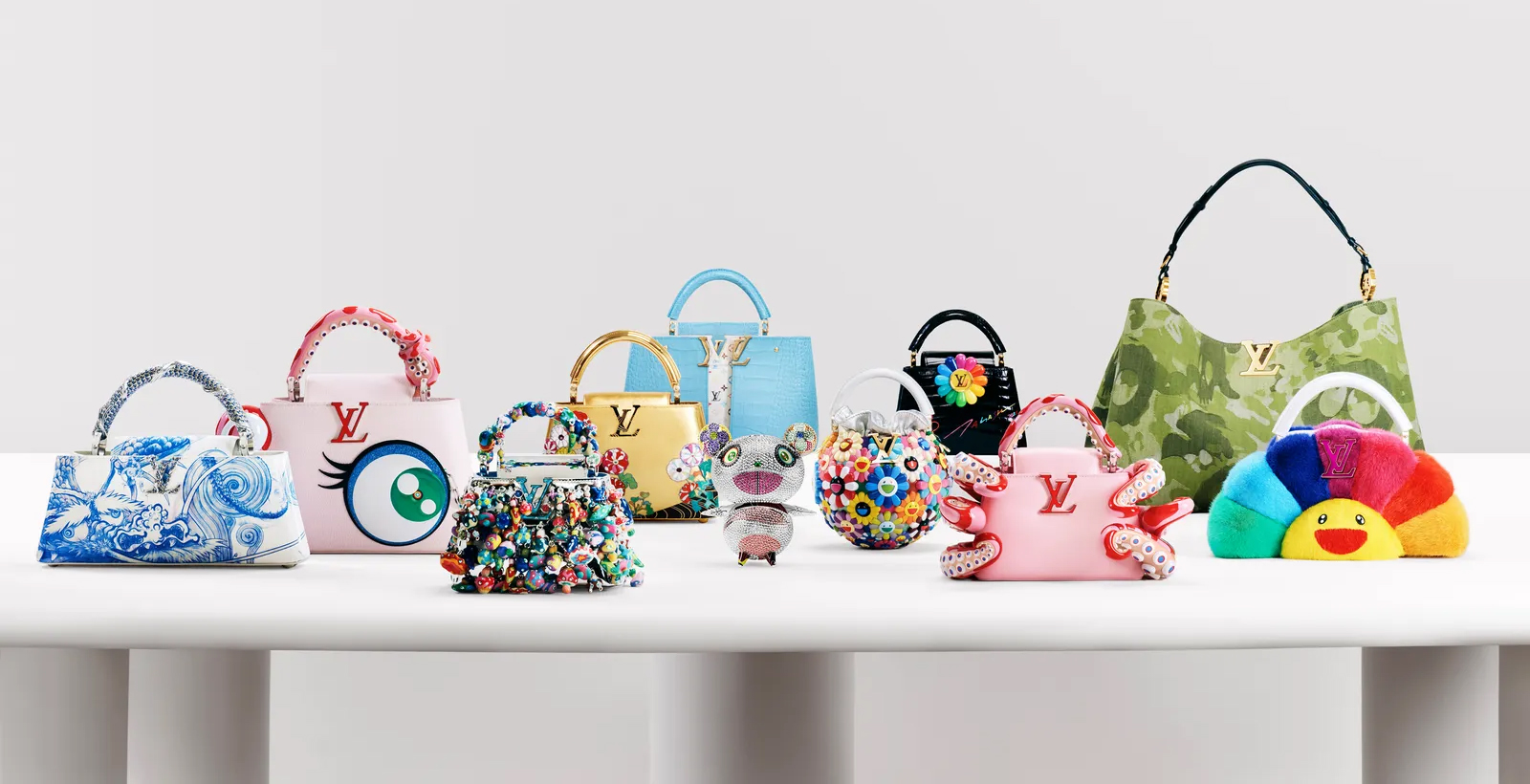
    In the 2025 Artycapucines collection, that conversation reaches new depth. “Over the past 20 years, from my first collaboration to this 2025 project, I believe Louis Vuitton’s atelier has made remarkable technological advancements,” Murakami reflects. He speaks with the curiosity of an artist who has witnessed the evolution of craftsmanship firsthand: three-dimensional modeling, advanced metalwork, even the inclusion of materials once deemed impossible, like denim. The collaboration feels like a reunion between two perfectionists chasing the same horizon where technology and art meet handwork and dream logic.

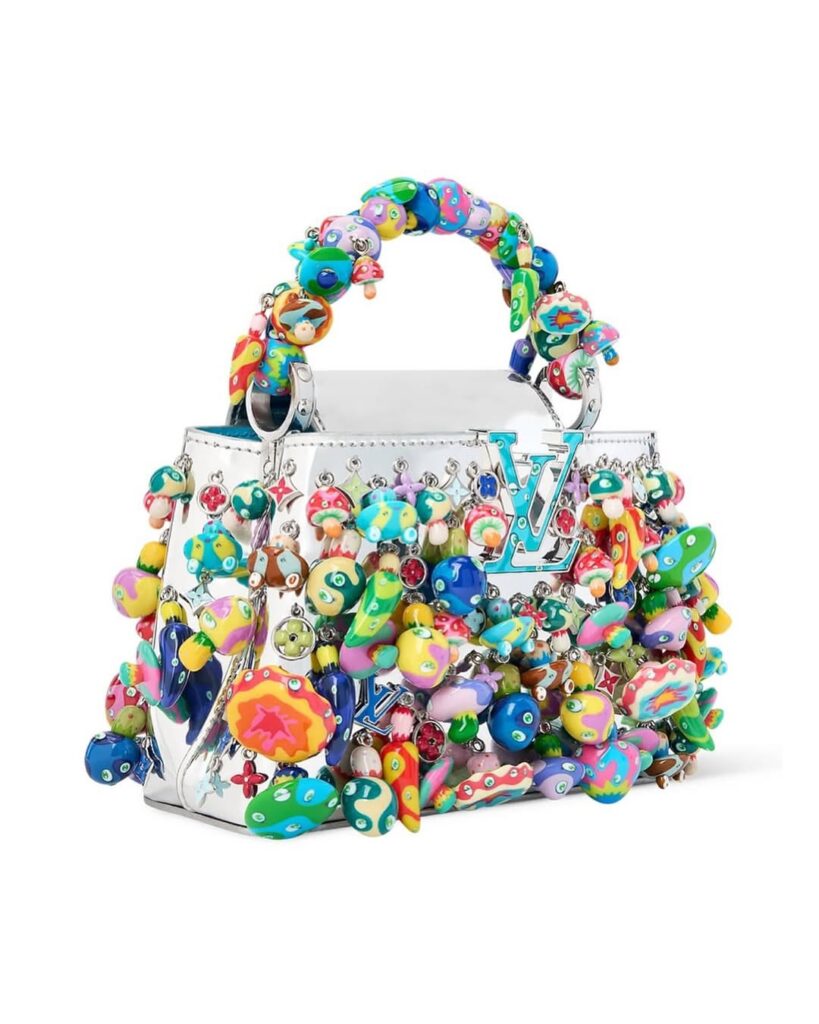
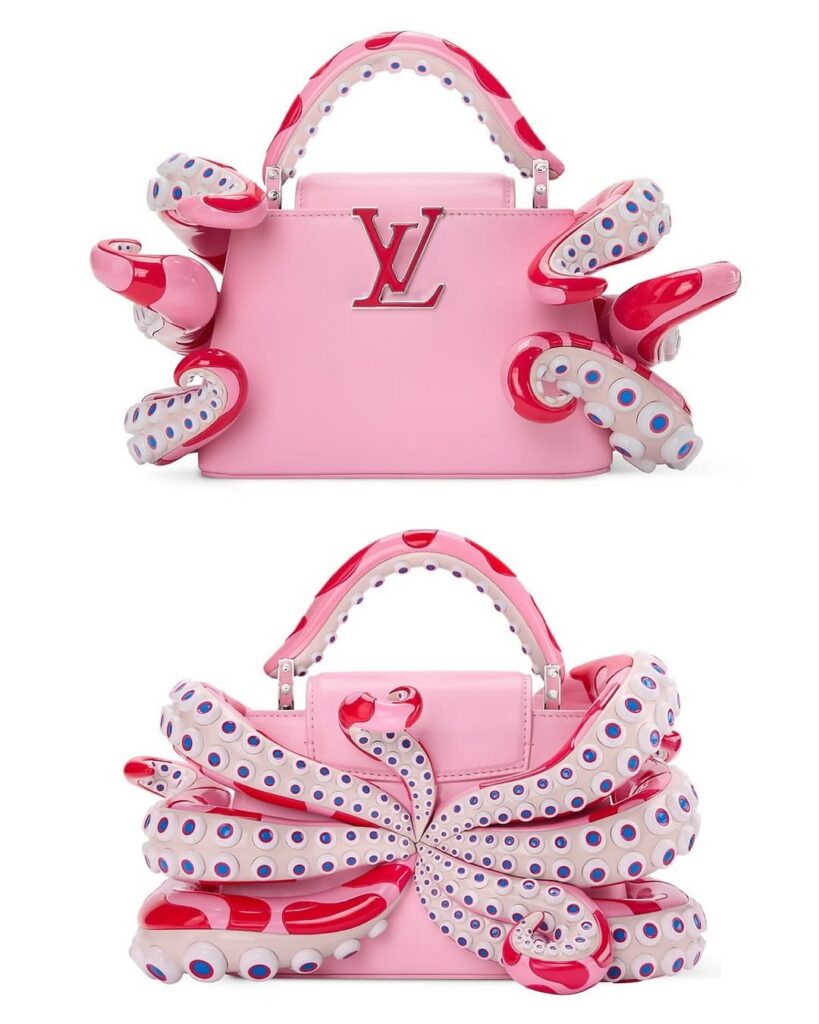
    Each bag in the series becomes a portal into Murakami’s expanding cosmos. The Capucines EW Rainbow erupts into a prism of lacquered hues, distorting the bag’s classic silhouette into a euphoric display of color. The Mini Mushroom, with a hundred of his signature fungi hand-polished and embroidered on mirrored silver canvas, feels like a psychedelic garden you can carry. The Mini Tentacle, perhaps the most sculptural, transforms his alter ego Mr. DOB into a playful marine form a pink creature both charming and otherworldly. Then there’s the EW Dragon, a wearable echo of his monumental Dragon in Clouds Indigo Blue painting, and the Capucines BB Golden Garden, a symphony of leather marquetry and gold-leaf luminosity that nods to Vuitton’s heritage of refinement.

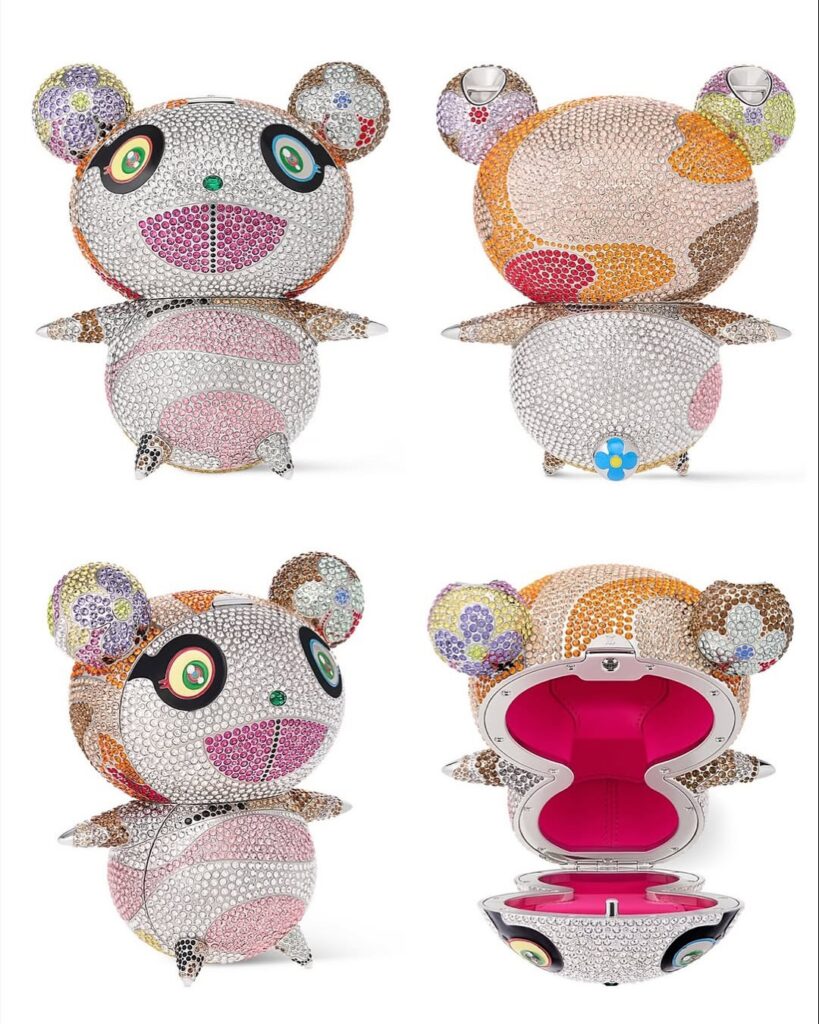
    The most striking of all may be the Panda Clutch a silver-tone brass sculpture studded with 6,250 strass stones, bridging jewelry, sculpture, and collectible design. Together, these pieces read like a museum show masquerading as an accessories collection.

    What distinguishes this collaboration is its mutual reinterpretation. “Without being fixated on my distinctive characters, Louis Vuitton incorporated motifs ranging from the classic to the majestic like the dragon,” Murakami notes. Vuitton’s artisans deconstruct his visual language his color fields, patterns, and creatures and reassemble them into handles, clasps, and inner linings. The result is not mere decoration but a synthesis: Murakami’s universe filtered through the disciplined choreography of French craftsmanship.

    The 2025 Artycapucines collection isn’t just an expansion of Vuitton’s art dialogue it’s a statement on how luxury and imagination can coexist. It captures a moment where the atelier becomes an artist’s studio, and a handbag becomes a sculpture that breathes.

    — Studio by Pines

  • Maison Margiela’s Next Canvas: The Home

    Maison Margiela’s Next Canvas: The Home

    Maison Margiela is extending its quiet rebellion beyond the runway into the realm of living.

    Its debut residential project, Maison Margiela Residences, is set to rise on Dubai’s Palm Jumeirah, with only 25 limited homes that blur the line between architecture and couture. Each residence looks outward to the sea and inward to Margiela’s philosophy: transformation through deconstruction.

    For over three decades, the Maison has treated design as an act of storytelling stitching together ideas across fashion, furniture, and form. This new venture continues that language, where walls behave like garments and materials carry the poetry of imperfection. Red marble, aged mirrors, and precise tailoring become architectural gestures rather than decorative choices.

    In collaboration with Alta Real Estate Development, the project imagines what happens when Margiela’s codes trompe l’œil, reconstruction, and restraint translate into space. It’s a study in controlled disorder, where the intimacy of couture meets the permanence of structure.

    Italian architect Carlo Colombo contributes a collection of bespoke furnishings crafted exclusively for the residences. His approach sculptural, deliberate, quietly cinematic builds harmony between the architecture and what lives within it. The result is a world where Margiela’s unconventional philosophy can be lived, not just worn.

    Beyond luxury, Maison Margiela Residences represents a shift: a home as narrative, a structure as statement.

    The Maison continues its exploration not to decorate life, but to design its atmosphere.

  • Art Don’t Die Studio by Pines Collection

    Art Don’t Die Studio by Pines Collection

    Art has never belonged to time. It moves through it shapeshifting, surviving, leaving traces on those who dare to create. Art Don’t Die is a reflection on that immortality. A collection that honors the artists who turned imagination into rebellion, whose visions continue to haunt galleries, streets, and minds alike.

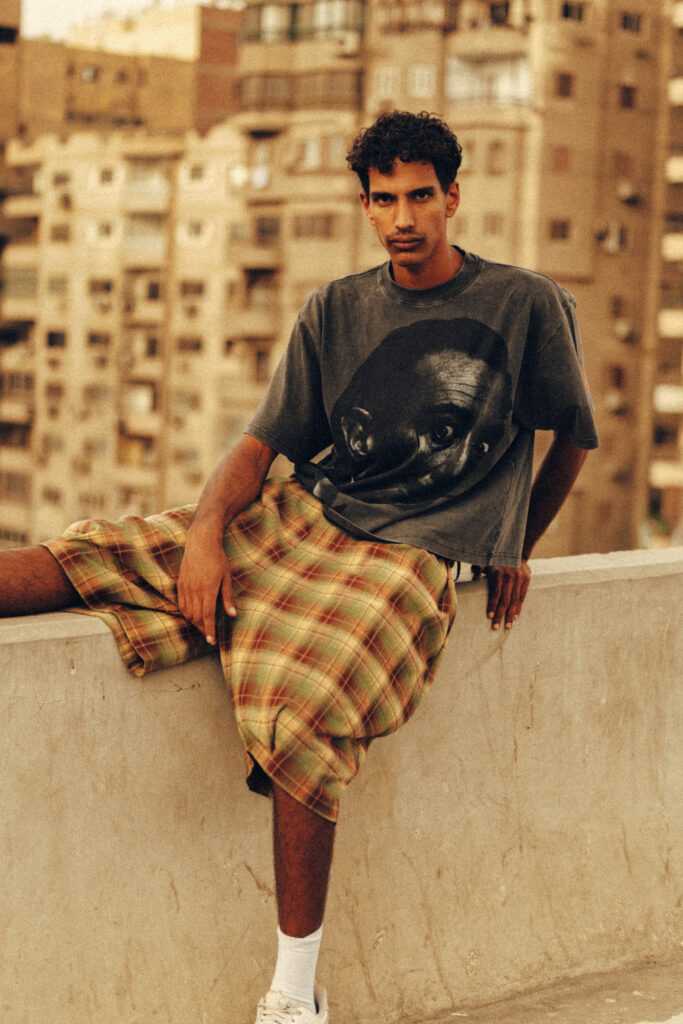
    At the center of the collection stand two titans Salvador Dalí and Jean-Michel Basquiat. Dalí, the surrealist dream architect who painted the subconscious into elegance; Basquiat, the poet of the street whose chaos became scripture. Together, they represent two ends of a spectrum precision and impulse, order and riot. Studio by Pines reimagines them not as relics, but as living symbols of defiance.

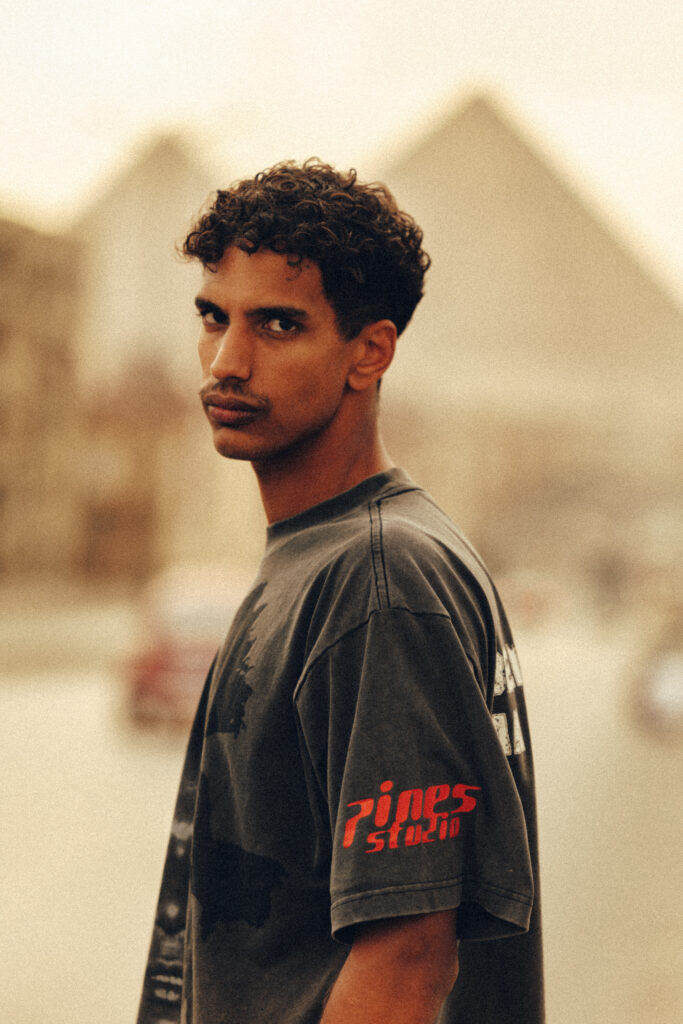
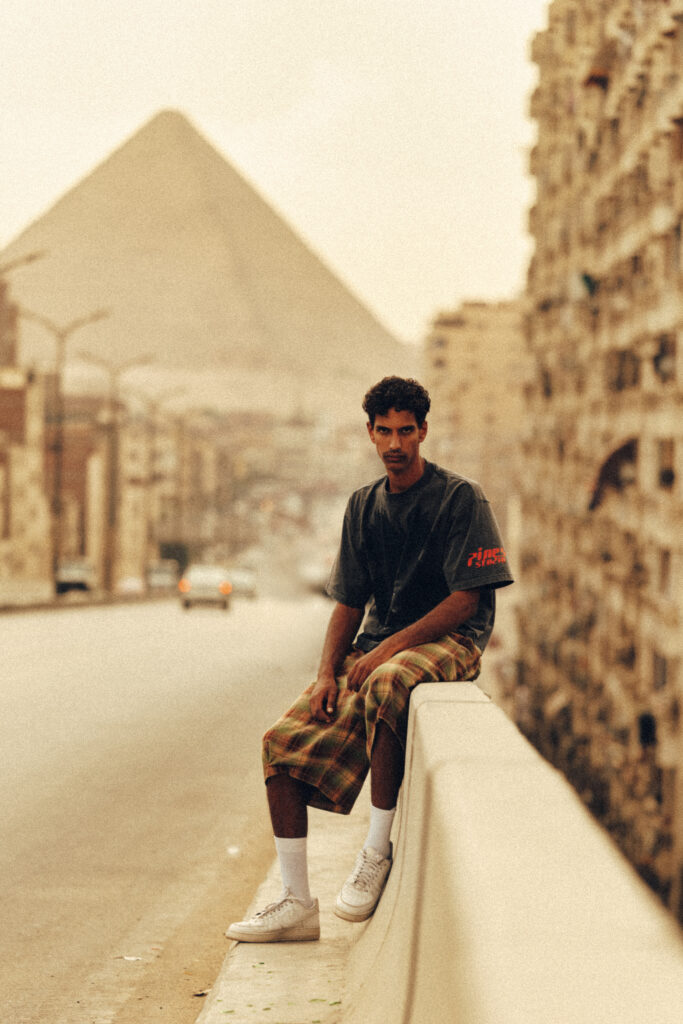
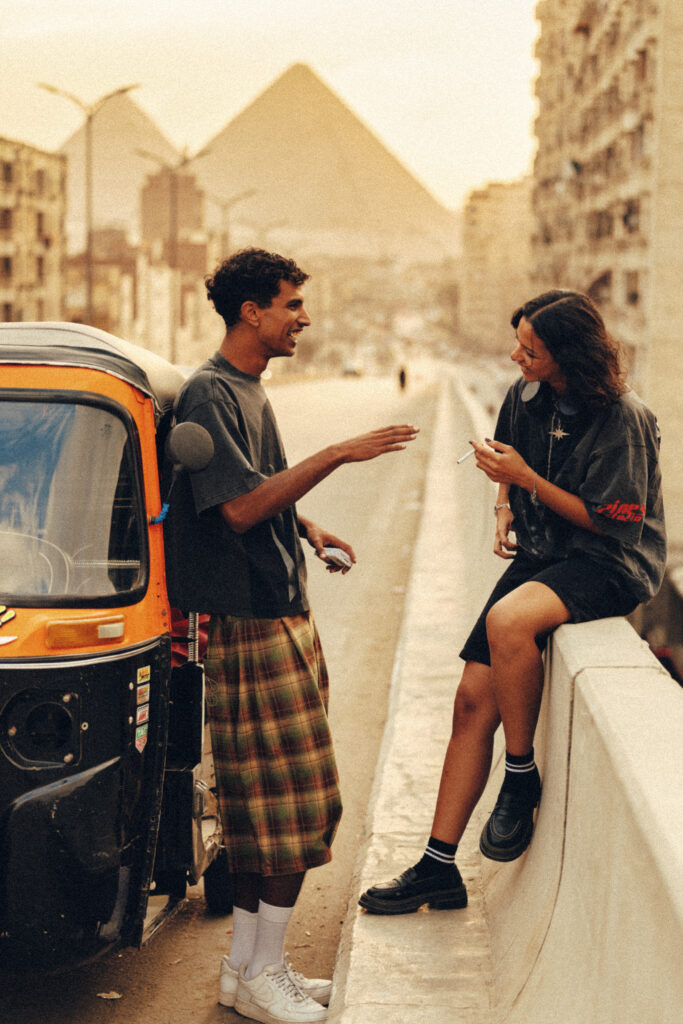
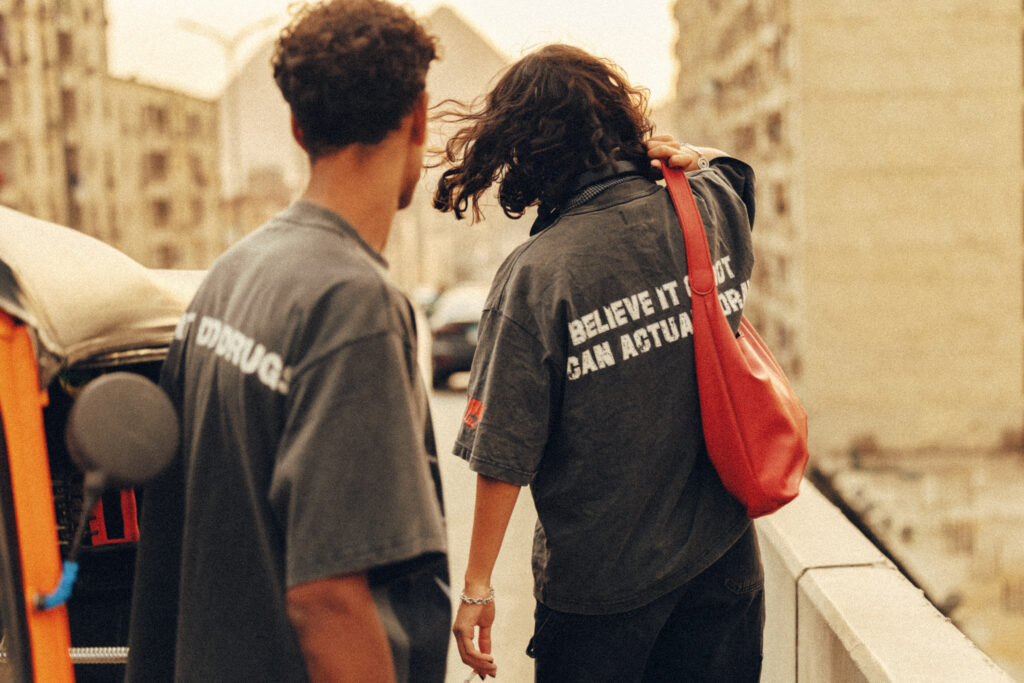
    Each tee is built like a relic unearthed heavyweight cotton washed into softness, carrying the weight of history. The prints are bold yet ghostly, fading as if they’ve lived lifetimes. The red Pines Studio mark bleeds like a signature of gratitude, a pulse that reminds us: true art never dies, it only finds new vessels to live through.

    shot by @badboi