


I’m digging through the Sunday pile at Jet Rag on La Brea, a LA vintage stronghold. My gaggle of sapphic friends are contemplating their latest find: a stunning but dusty pair of boots; steel-toed, heavy, with buckles all up the sides. My mind wanders. They’re really motocross boots, for riding dirt bikes and motorcycles. The Rick Owens store next door, for example, has some shorts to match them: leather with an exposed zipper for a fly — another motocross detail. We compare finds in the car — an elaborate white petticoat, a slim black tie, a Bass Pro Shops t-shirt. These pieces, really cultural artifacts with historied functions, are referenced and cross examined on an operating table. Redrawn with a twist, they become Pharell’s Louis Vuitton, the new old Silverlake cool, September’s Grailed rare finds, sirens of the modern age, best-dressed on your Erewhon smoothie run. And do they make for a compelling dialogue between tradition and innovation? You be the judge.
An example of the fluidity of extant fashions where the lines between different types of attire—athletic, casual, formal—are increasingly blurred, athleisure has grown into familiar foliage in the American landscape. Originally designed for athletic performance, items such as leggings, zip-ups jackets now emerge as loungewear, as ready-to-wear and even in some cases, as evening wear. “Gorpcore,” for example, takes the “athleticism’ of athleisure a step further: inspired by the functionality of gear made specifically for the great outdoors. Imagine earthen primary colors, one thousand pockets, Yes, it’s perfectly mundane to wear your Arc’teryx on a date and your salomons to the trendiest of coffee shops.
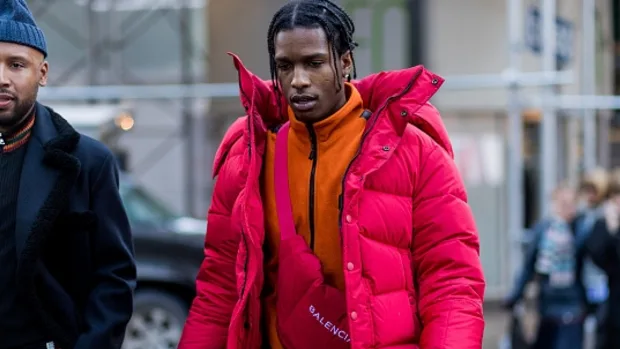
Characterized by its embrace of practicality—think technical fabrics, multiple pockets, and weather-resistant materials, these details are a celebration of utilitarian design. But these qualities are embraced for more than just the functional; they are above all, “drippy.” Gorpcore reflects the desire for authenticity and for connection to the outdoors, even in urban settings. It says, “I’m so active sitting in this cafe right now,” or “the smell of rain and mulch is very appealing.” Whether the wearer actually enjoys the summitting of a mountain and how many hours they clock on a trail has been deemed irrelevant. It’s about the spirit of the thing.
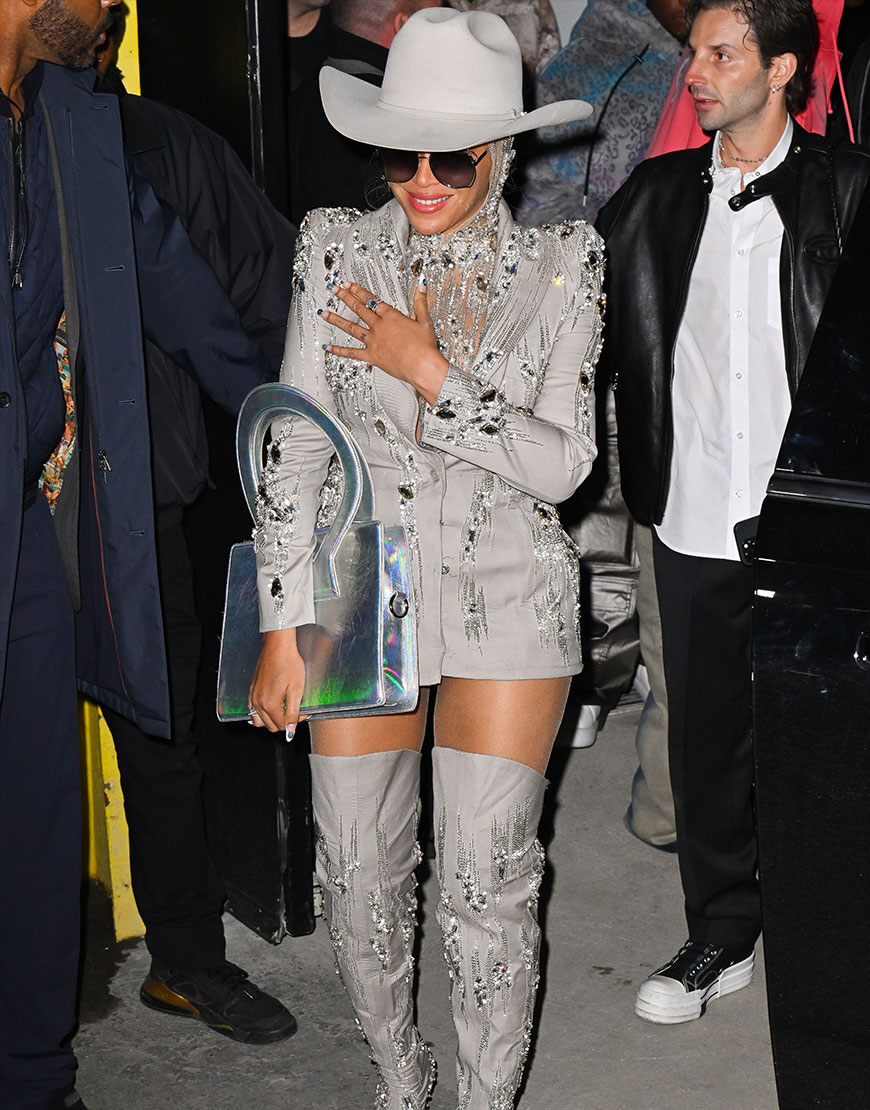
Similarly, motocross gear has always been synonymous with extreme durability and bold stylization. Be it Louis Vuitton’s articulated texture trousers, or the rise of Alpine Reserve’s clout, or the casual wearing of riding and boxing boots in FIDM students’ fitcheck TikToks, extreme sportswear is undoubtedly encroaching upon classic “streetwear.” Inspired wearers are offered a sense of adventure and ruggedness, dirt bike and boxing experience irrelevant. Designers reimagine a cowboy— intricate stitching, luxurious materials, incongruous silhouettes.
Traditionally designed for life on the range— sturdy riding boots with spurs, hats wide-brimmed for the sun, durable denim reinforced by metal rivets at points of stress. The utilitarian design of Carhartts, Dickies, even denim itself as a textile, are rooted in the working-class ethos of durability and practicality. Once purely functional, denim and leather have long since become classic canvases, as neutral as muslin. These garments, once reserved for factory floors and construction sites, have been reinterpreted through the usage of the everyday non-laborer. Now central to both streetwear and high fashion, they retain the vintage, worn feel of legacy without sustaining a speck of dust. The ruggedness is emphasized yet softened with styling choices that make the concept of the clothes suitable for someone who does not own power tools, or in some cases, is far removed from the realm of everyday dress altogether, á la Diesel’s denim wedding dress.
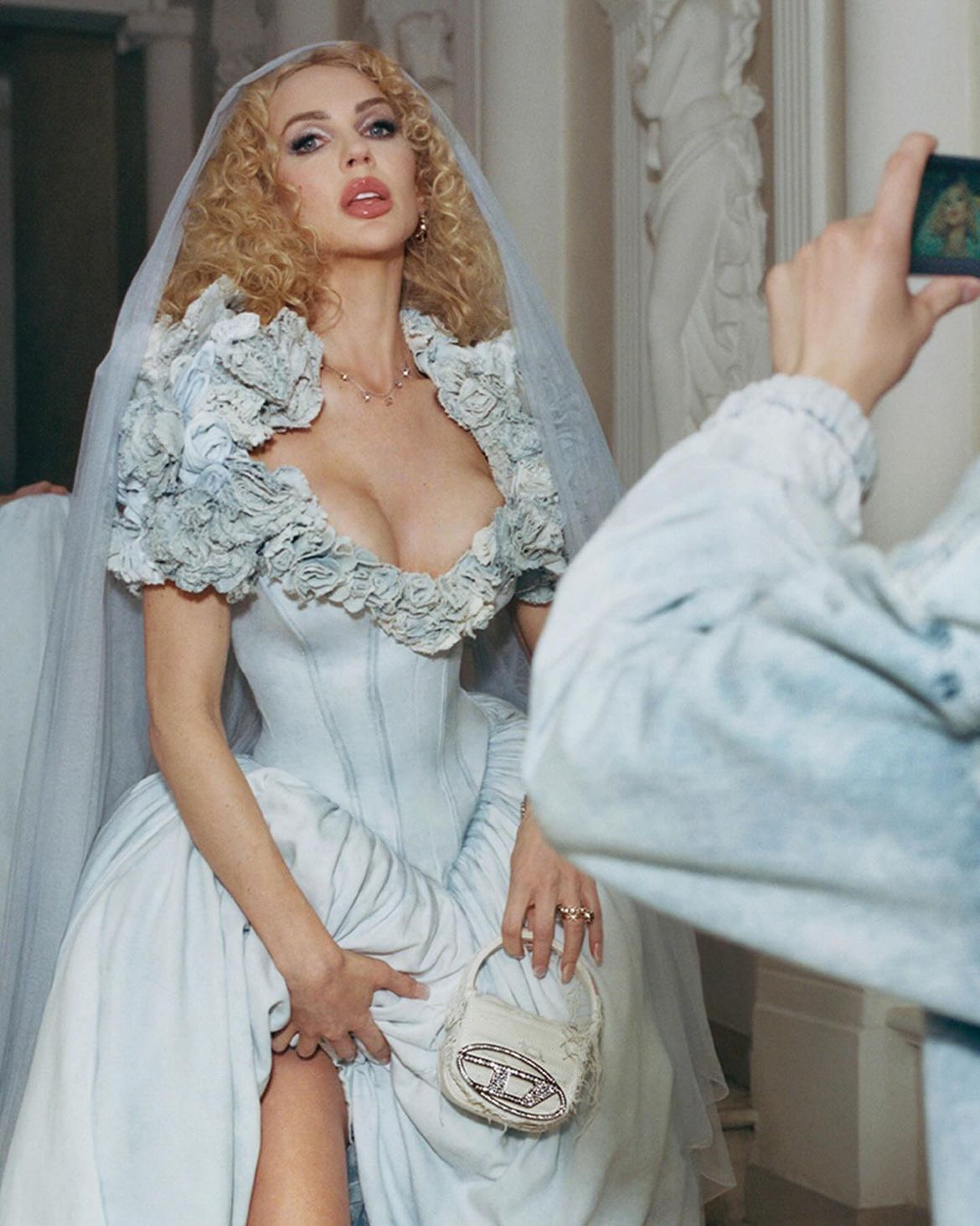
Western motifs such as bandanas and bolo ties are now integrated into the wardrobes of many, offering a narrative on wild west traditions. This refocusing of cowboy culture through a perspective at once “gen z” and “heritage” not only pays homage to Americana roots, but also allows for an exploration of identity, particularly within the context of queer dressing. The fluidity of more recent cowboy-inspired expressionism disrupts the rudimentary play, making it a colorful statement. Workwear, originally designed for the rigors of intense manual labor, has evolved into a staple of the chic crowd. The rise of workwear reflects a societal shift that values the aesthetics of simplicity and practicality. Though derivative, these pieces maintain their functional appearance while being elevated as pieces whose only function is style. On the other hand, this movement resonates with the broader cultural movement of authenticity and sustainability, as consumers increasingly seek out clothing that is vintage, high quality, and genuinely built to last.
Drawing inspiration from video games, movies and the professional world, the trend of dressing “office siren” explicitly outside of the office uses skeuomorphic reinvention to transform the standard 9-to-5 into a personal philosophy statement that blurs the lines between professional and provocative. The “Office Siren” challenges the boundaries of what is considered appropriate and what can be romanticized in a modern working life. Why wear that lumpy blue sweater, for instance, and resign yourself to a mundane cubicle existence eating sad chowder when you can paint yourself instead slaying the girlboss monologue and serving cunt in a sensual silky blouse and the most arresting kitten heels? Bayonetta glasses, blazers fitted and oversized, pencil skirts with daring slits, and skinny heels that command attention are central to this genre.
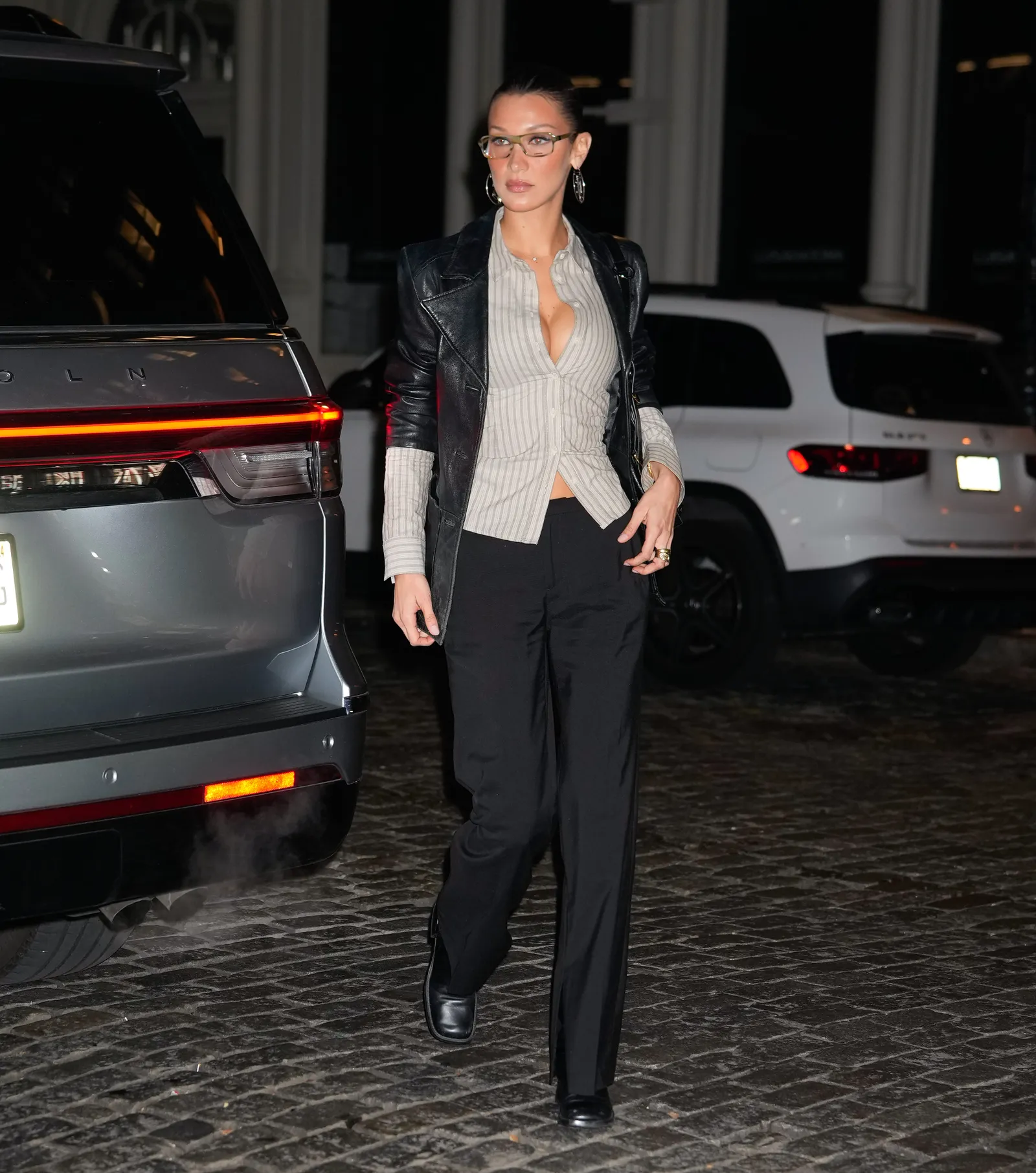
The Office Siren redefines “sexy” by blending traditional office attire with elements of allure and seduction, subtle or otherwise. Through its sleek, tailored attitude, it can utterly transform one’s day-to-day experience inside or outside of office culture. This also poses interesting questions of what is considered a desirable lifestyle and the influence of outsider perception. By empowering women to exude confidence and authority in unexpected ways, the look plays with the idea of femininity and autonomy, tradition and repetition, freedom and corporate slavery. By recontextualizing classic office wear, the Office Siren opens up new possibilities for self-expression and empowerment through a lens half homage, half fetishization.
As we look to the future, it’s clear that the fusion of function and form will continue to drive innovations of style and of design. As cross-pollination between different subcultures of taste grows exponentially, the emergence of new and hybrid trends awaits us. As designers and consumers alike embrace the blending of tradition and innovation, the future of fashion promises to be as dynamic and diverse as the cultures and subcultures that inspire it. A reference of a reference of a reference, obscurity becomes scarcity becomes derivative. The lineage of certain design details and practices might become impossible to trace. A bouquet of evolving complexities in the crystal goblet of modern life.
Leave a Reply