

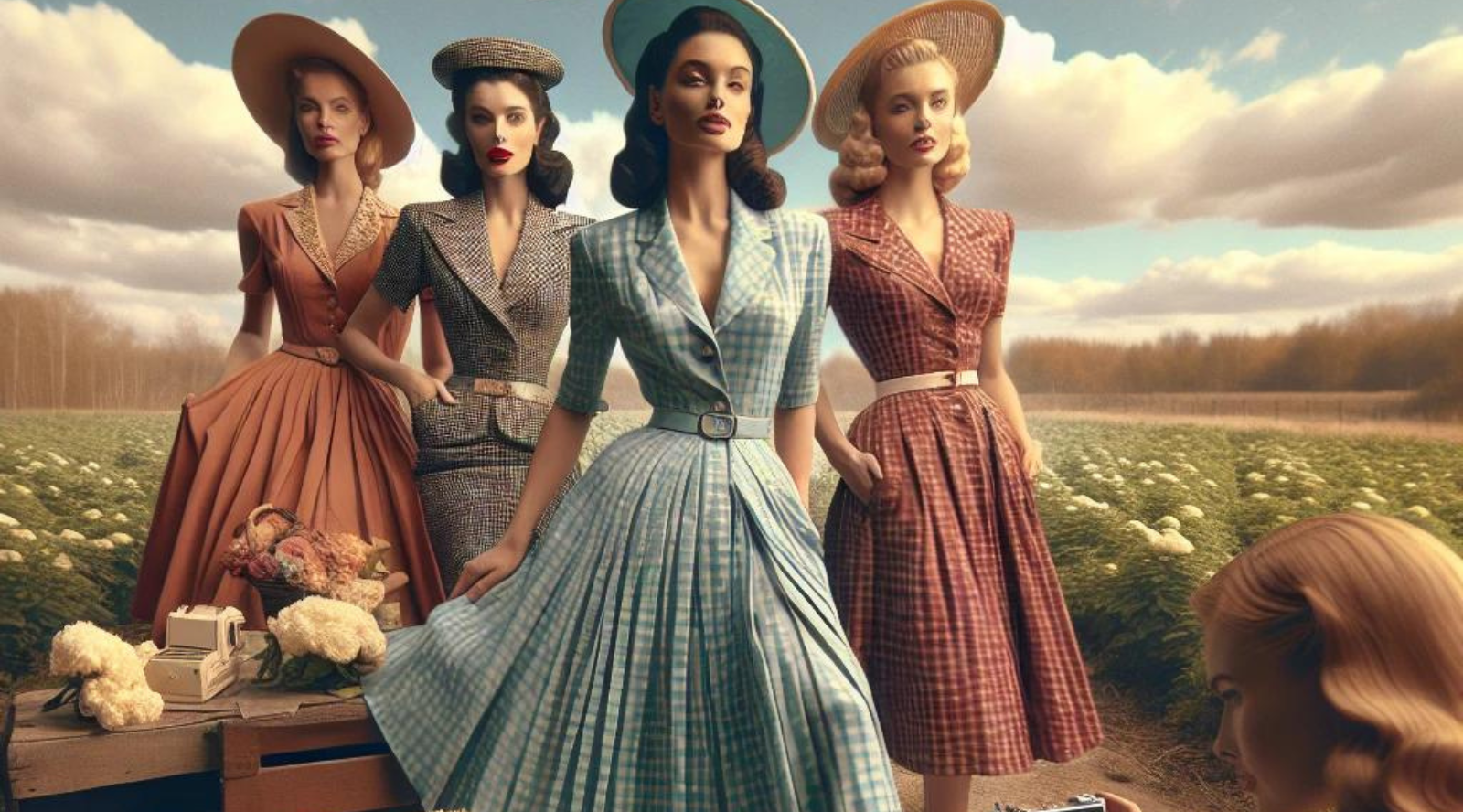
Recent social media-borne trends of influence such as the dolly and angelic “coquette,” the commanding and mysterious “mob wife,” or the playful and flippant “y2k” are really aesthetics-based at their core, built and maintained by integrated object motifs such as bows, fur jackets, and blinged-out flip phones. These trends are easy to understand and have a relatively easy buy-in: they are archetypes of a closet, a makeup style, hairstyles and accessories. You can become a y2k mcbling queen for a day easily. Start with a pair of extreme lowrise denim booty shorts, add a crystal-flooded big buckle belt, donn a busty top— perhaps in hot pink with an elaborate fleur de lis or cross applique. Add oversized sunglasses or hoop earrings, slap on some frosty lip gloss and lastly, and slip put your feet into a pair of fluffy furry boots. For extra credit, one could go so far as to track down a Von Dutch or Ed Hardy baseball cap, or snag a fake piercing ring from Alibaba to adorn the corner of your bottom lip.
A similar regimen can be summoned for its peers in the same class of “aesthetics” — Balletcore, mob wife, dark academia, cottagecore. These are genres of dressing and filters of tonality that a typical girl scrolling through social media might inspiredly cherry-pick jewelry, perfume, hairstyles or other wardrobing details from. They don’t explicitly require lifestyle adaptations. You can wear ballet flats and legwarmers without a rigid twice-daily stretching routine. One can indulge in their mob wife fantasy, harmlessly sipping champagne from a crystal flute, without ever actually needing to consider the ethics of hush money cargo or study the ins and outs of criminal organizations and the specific benefits of compartmentalized morality. A college student studying communications at Penn State is free to cast their public relations powerpoint deck in a more romantic light, with the power of some candles, a crisp white dress shirt, and a select “dark academia studying playlist” during their Thursday night cram.
However, what happens when aesthetic and lifestyle develop comorbidly? Cottagecore, the “-core” that spawned the current age of aestheticization, grew from the seed of some mushroom earrings and a milkmaid dress or two. Picnicking and crocheting might be cottagecore activities, but a full involvement within the aesthetic doesn’t necessarily include a change in lifestyle. Conversely, the “-girl” pre-cultures, such as “clean girl”, “soft girl”, or “coconut girl” are slightly more encompassing. Your typical “clean girl” aesthetic doesn’t only mean slick back buns and understated hoops. A lover of this aesthetic might want to drink green juice, go to pilates, keep an immaculately organized Google calendar, and never put off answering an email as they sip from their ever-present hydrating vessel (almost undoubtedly branded Hydro, Stanley, or Lululemon). The uniform of the aesthetic implies an idealized daily life, habits, or schedule. The archetypes of being encapsulate an attitude towards life; an aspirational and conceptual occupation, without a dictated, inherent thought philosophy.
Unlike heritage “subcultures”— such as the punks, goths, skaters— the “-girls” weren’t established around a music genre or specific activity that sustains generational continuity. “Soft girls” don’t quite yet have social customs or collective ethos that are continuously fostered by the soft girl community, and without a niche gathering point of interest only time will tell if the microbiome could survive and maintain traction long enough to develop its own ecosystem. A “coconut girl” doesn’t yet have a strong system of beliefs (beyond a love of beaches, relaxation, coconuts) she could instantly identify with a self-proclaimed peer she’s never met before. Will longevity for the “clean girl” see a new age of health-conscious girl bosses that rally behind political-adjacent movements and protest against lack of organizational literacy en-masse? I’d sure like to see that.
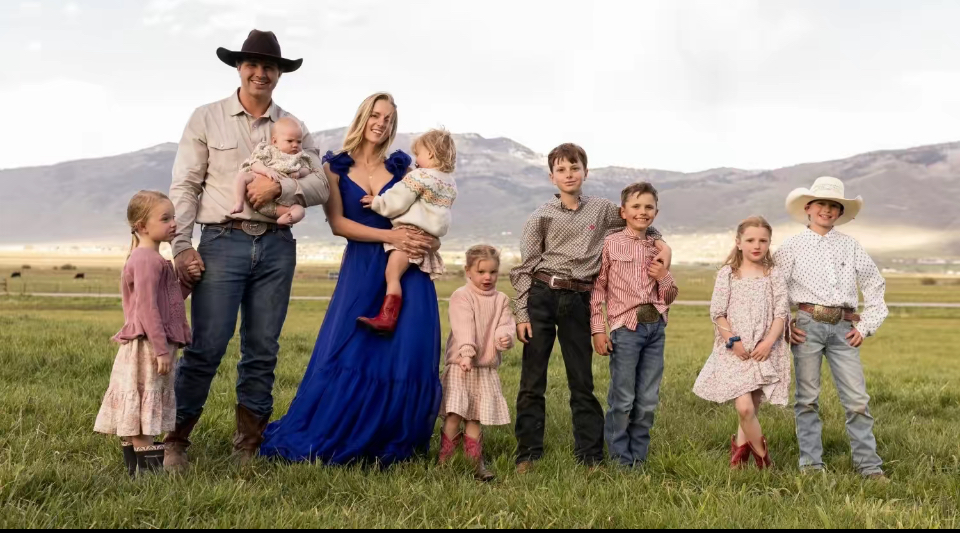
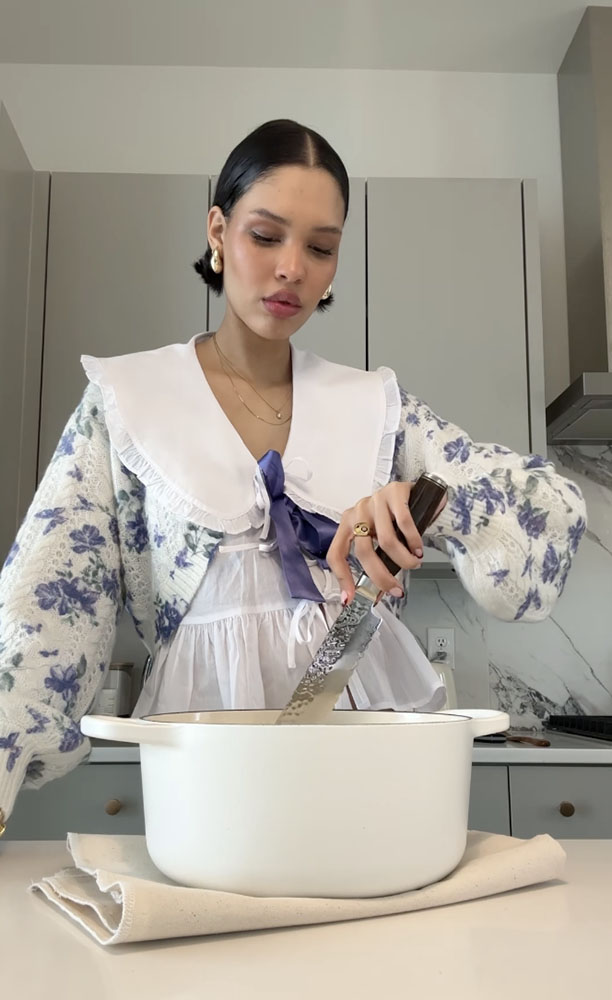
A most recent sweeping phenomenon, the “tradwife” “movement” benefits vastly from the implication that it is actually not a new movement in its infancy, á la the aforementioned, but instead, a harkening back to some ancient, tried-and-true way of being. The retrofitting of neocolonialist nuclear family ideals onto the concept of “tradition” gives the movement the provenance. One figurehead of the movement with 9.6 million followers on TikTok and a staggering 9.9 million followers on instagram, Hannah Neeleman (of Ballerina Farm fame) was swarmed with concern from internet bystanders as the details about her life behind her prairie dress beauty queen online persona were revealed in the infamous Megan Agnew article this July. Nara Smith has an astonishing 9.2 million following on tiktok, and an impressive 4 million on instagram. Her from-scratch kitchen laboratory projects, soothing voice overs, and closet of Frankie’s Bikinis dresses, Lirika Matoshi gowns, and avant garde Selezza London is to be repeatedly complimented but not imitated— she remains entertainment; a public figure more celebrity or figurehead than blogger or youtuber. In contrast to the massive audience appetite for tradwife content, new member participation seems dwindling. The two creators mentioned are also both of mormon faith, perhaps a contributing factor to their almost oppressively unattainable lifestyle, unrelenting presentation of perfection, young marriages, and partialness toward plentiful procreation.
Monica Ainley of British Vogue tried the “tradwife” lifestyle for a week (dismissing her nanny, cooking every meal, taking a leave from work, “serving” her husband), complete with fabulous skirts and dresses, pointed toe shoes— declaring relief as it came to a close, vowing to steer her daughter away from tradwifery. Harriet Walker of the Times felt similarly about her week-long stint. Head of Poshmark’s Merchandising and Curation, Chloe Baffert sheds some additional light: “Viral trends often influence shopping behavior, but the Trad Wife aesthetic has yet to gain significant traction on Poshmark. The Trad Wife uniform is notably synonymous with muted tone prairie dresses and demure style elements, […] a unique and nostalgic charm that appeals to those who appreciate its polished look.” Their data as of July 2024 indicates a “downtick” in related items: sales of cat eye sunglasses decreased 17% compared yearly; sales of wiggle dresses decreased by 14%; prairie dresses sunk 13%; knee length skirts by 9%; cardigans by 9% and aprons —2%. The “tradwives” community on reddit currently stands at a bit over 1.3 thousand members.
Ultimately, the “tradwife movement” is called a movement for a reason. An aspiring Nara Smith, Hannah Neeleman, or Esteec Williams wouldn’t only aim to purchase elegant gowns, put on a full beat, and style their hair. They would surely pin recipes for white chocolate lemon zest brownies, save videos for how to maximize laundry efficiency, take notes on blog entries touting the best rituals for welcoming their spouse home after a work day, and perhaps prepare mentally for a large family. The transformation wouldn’t be complete without a full indoctrination into the role of traditional, home-making wife and all the accompanying intricacies and rules. The level of requisite fanaticism is high at baseline entry: you must not only be a fan, you must be devout; you can’t just wear the band tee, you have to know every album; it’s not casual participation but an entire committed course. Maybe if the tradwife life were less demanding in its conversion process, it might be more popular amongst young women— but the subtle but definite tones of religion, politics, and even fetish outweigh even the most idyllic imagery of perfect body, kitchen, family, and closet.
Leave a Reply