

Film festivals are feared for their standing ovations, where a short applause is worse than a film critic ripping it to shreds. The 2024 Venice Film Festival is no exception, as Tim Burton’s much-anticipated return-to-form, “Beetlejuice Beetlejuice,” newly starring Jenna Ortega, received nearly four minutes of praise. In cinema-nese, that’s like throwing tomatoes compared to the Julianne Moore and Tilda Swinton-led drama, “The Room Next Door,” which pooled in 17 minutes of continuous clapping—that’s pretty much five stars!
Angelina Jolie’s triumphant comeback as the accomplished American-Greek opera diva Maria Callas in the psychological drama biopic “Maria” earned an eight-minute standing ovation. Both Luca Guadagnino’s steamy romance “Queer” and Todd Phillips’s “Joker: Folie à Deux” with Joaquin Phoenix and Lady Gaga both received eight minutes’ worth of praise, respectively. It’s worth noting that Brady Corbet’s historical tale, “The Brutalist,” starring Adrien Brody and Felicity Jones, one-upped the more commercial crowd-pleasers with a 12-minute standing ovation, reminding chronically online folk that not all must-sees and artful films are as heavily publicized as Nicole Kidman’s beaded Schiaparelli number for the red carpet of “Babygirl,” but are as meaningful and deserving of the same recognition (cough, cough, “And Their Children After Them”).
As the Venice Film Festival ends, here are ten must-watch movies that deserve some applause regardless of in-person appreciation:
“The Room Next Door”
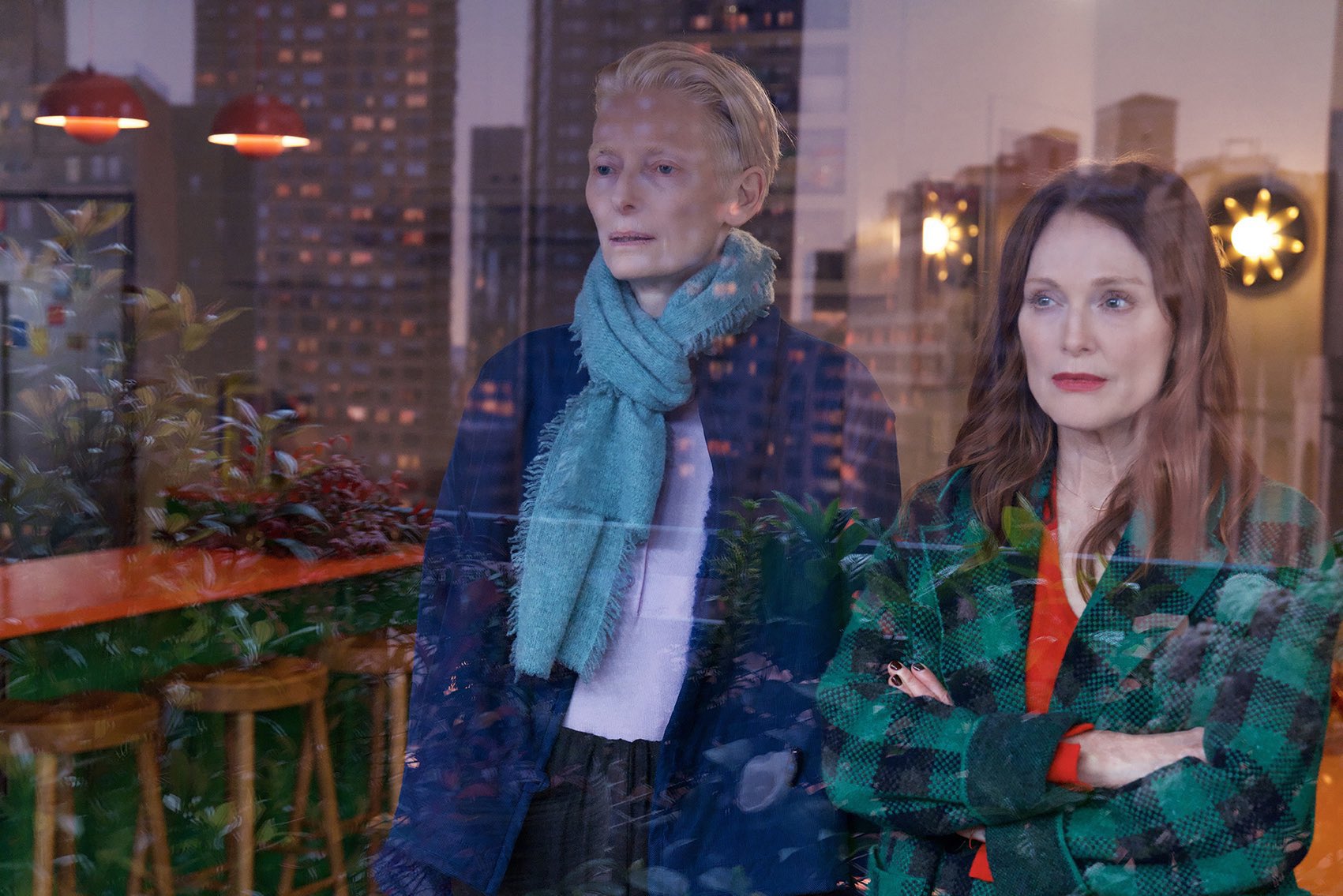
Julianne Moore and Tilda Swinton star as two estranged friends—an autofiction novelist and a war reporter—who reconnect in an unexpected and bittersweet situation. This emotional reunion is director Pedro Almodóvar’s first English feature film, who was equally on the verge of tears with the production crew, watching the actresses’ powerhouse dialogue-driven performance of friendship, time, and rediscovery.
“Leurs Enfants Après Eux” (And Their Children After Them)

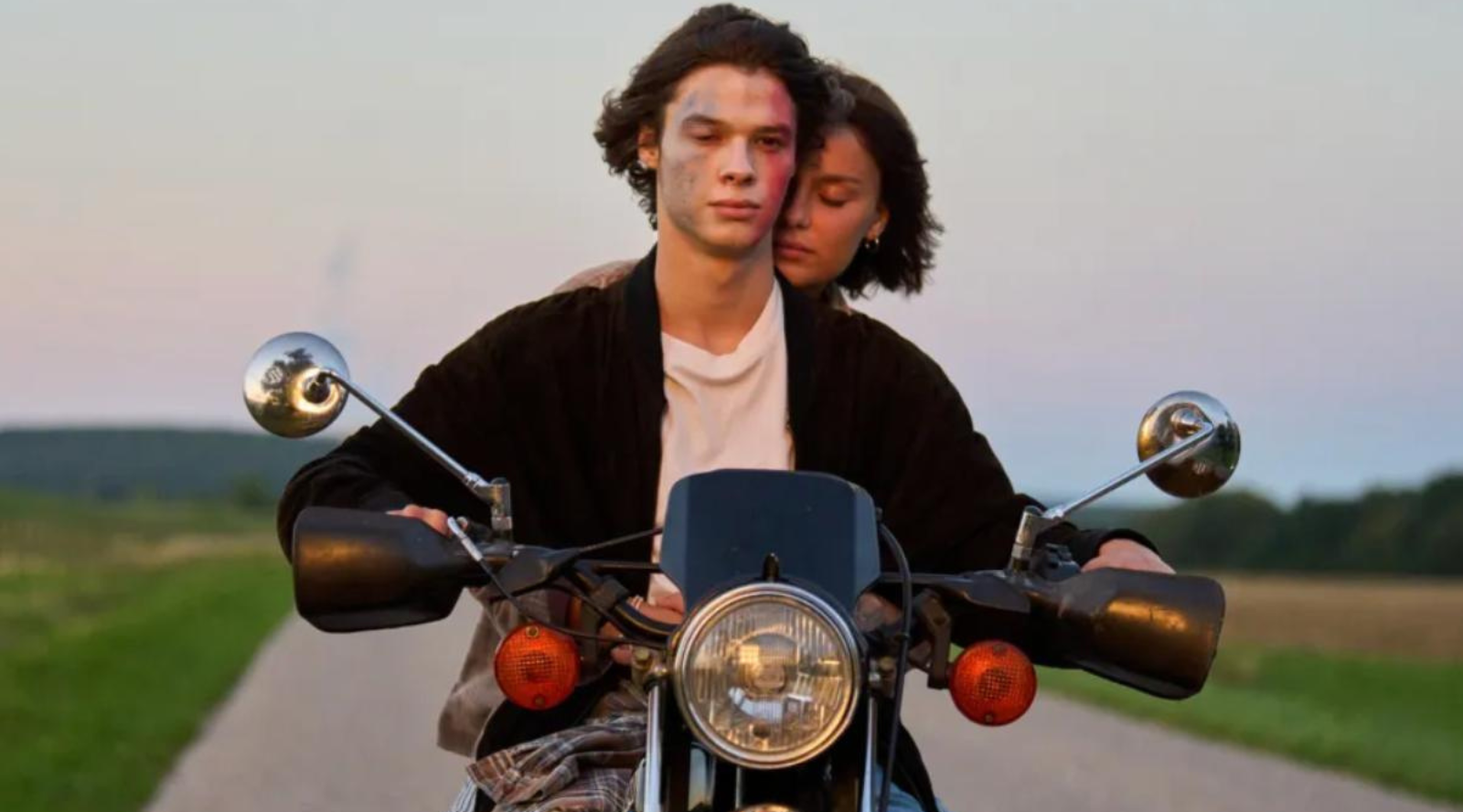
French filmmaking duo Ludovic and Zoran Boukherma adapt Nicolas Mathieu’s 2018 coming-of-age novel, which follows Anthony over four transformative summers against the gritty backdrop of a decaying French valley. A stolen motorcycle, teenage rebellion, and first love intertwine, creating a melodramatic and raw exploration of youth, identity, and societal decay.
“The Brutalist”
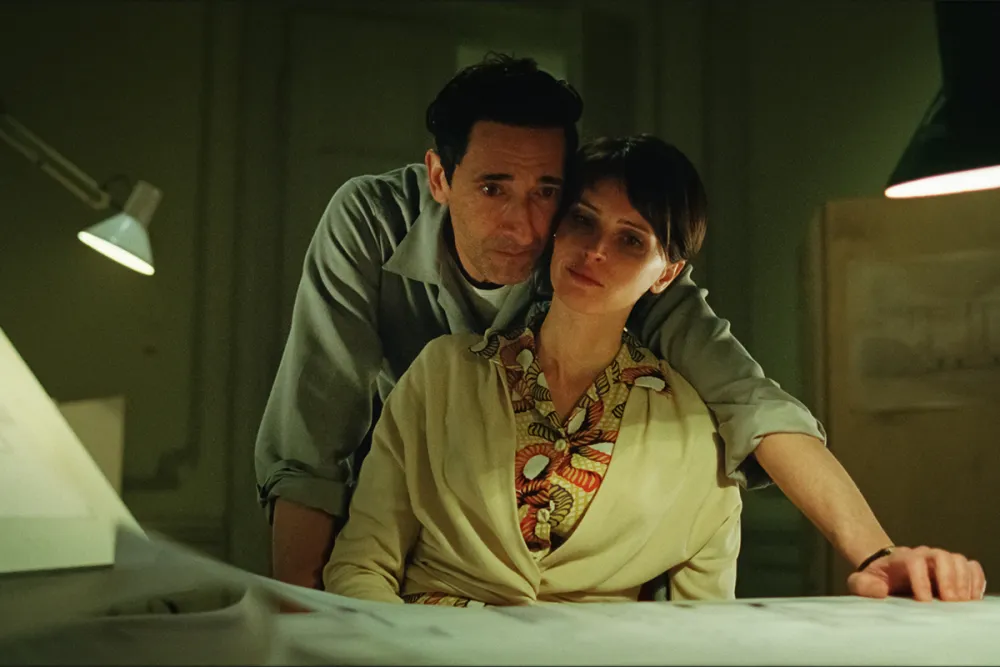
This epic drama begins in 1947 and follows Hungarian-Jewish architect László Tóth, who, after fleeing Europe with his wife Erzsébet, rises from poverty to prominence in post-WWII America. Transformed by enigmatic industrialist Harrison Van Buren’s commission for a grand modernist monument, László’s journey spans three decades, exploring ambition and resilience through a 70mm lens.
“Queer”
Luca Guadagnino releases another period queer romance, only this time it’s not set in the Italian countryside like “Call Me By Your Name”. Set in 1950s Mexico City, “Queer” brings William Burroughs’ tantalizing novel to life—a life goal of Guadagnino’s since turning 20—which tells the poignant story of William Lee (Daniel Craig), an isolated American expat who finds a glimmer of hope for connection through a relationship with a young student (Drew Starkey). Mexican-American singer Omar Apollo infamously teased a bit of the sex-driven plot, saying he shared a steamy scene with Craig before its official premiere.
“Horizon: An American Saga” (Chapters 1 & 2)
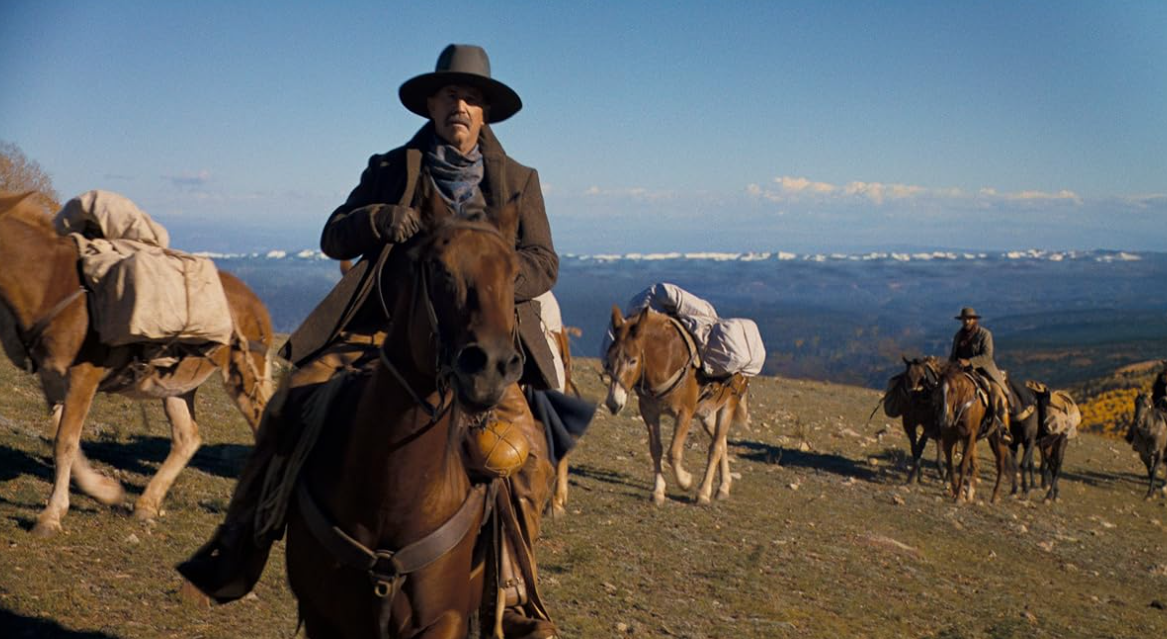
Actor-director Kevin Costner started developing “Horizon: An American Saga” in 1988 before fleshing the western into four parts, now anchored by himself and Sienna Miller, within the past two decades. The heart of “Horizon” depicts the harsh realities of 19th-century New Mexico Territory, where The Great Migration entangles the lives of settlers, soldiers, Indigenous peoples, and migrants on a quest for promised hope and a new future, all while telling an “unflinching ground-level story” about the birth of a nation and its foundational sins.
“Maria”
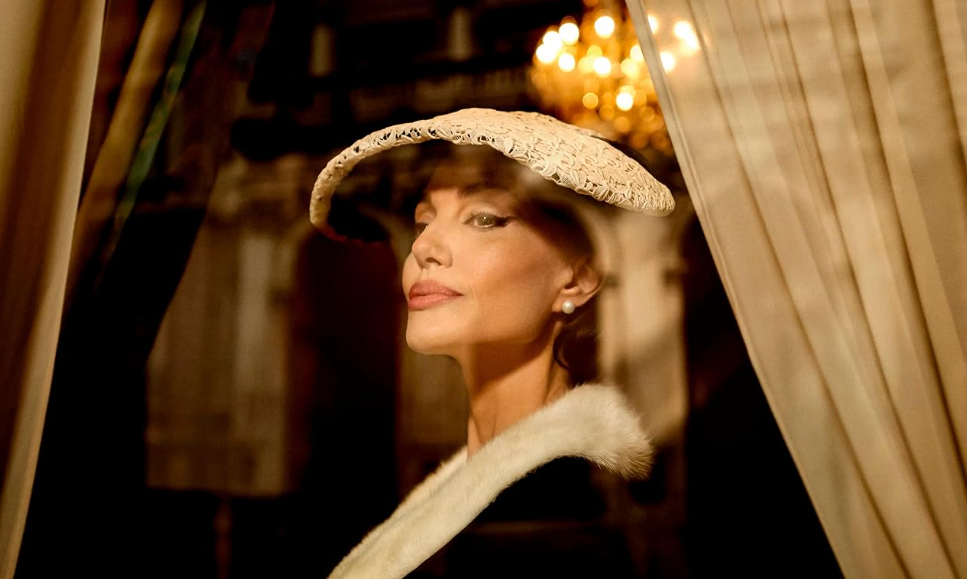
Set in 1970s Paris, “Maria” poignantly chronicles the final days of opera legend Maria Callas. Through a tapestry of memories, friendships, and her iconic performances, the film captures the beauty and tragedy of Callas’ life, offering a deeply moving tribute to her enduring legacy.
“The Order”

Adapted from Kevin Flynn and Gary Gerhardt’s novel “The Silent Brotherhood,” the Justin Kurzel-directed thriller retells a series of violent crimes across the Pacific Northwest in 1983, revealing a chilling plot by domestic terrorists inspired by radical ideologies. Starring Jude Law and Nicholas Hoult, the film explores the ominous echoes of historical extremism in a contemporary context.
“Joker: Folie à Deux”
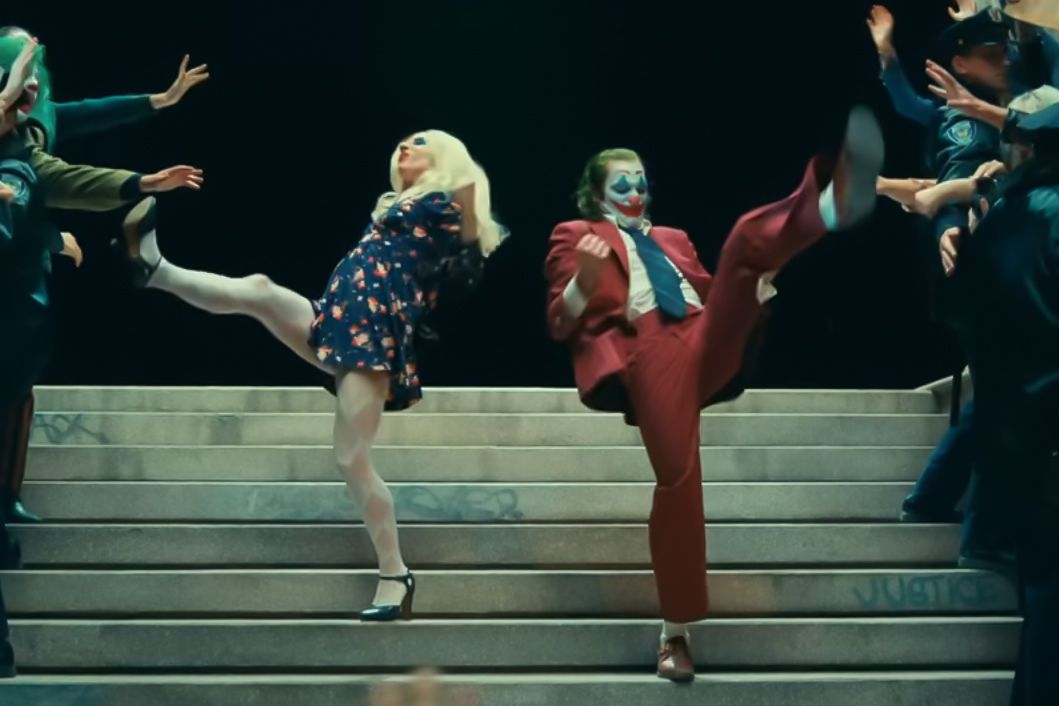
Lady Gaga matches Joaquin Phoenix’s freak in Todd Phillips’ long-awaited sequel to 2018’s “Joker,” where Arthur Fleck (Phoenix) is institutionalized at Arkham and wrestles with his dual identity as the Joker. As Fleck awaits trial for his crimes, not only does he stumble upon true love with a woman named Harley Quinn (Gaga), but the criminal also unlocks the music that’s always been within him in this unexpectedly brilliant dark musical.
“Campo Di Battaglia” (Battlefield)

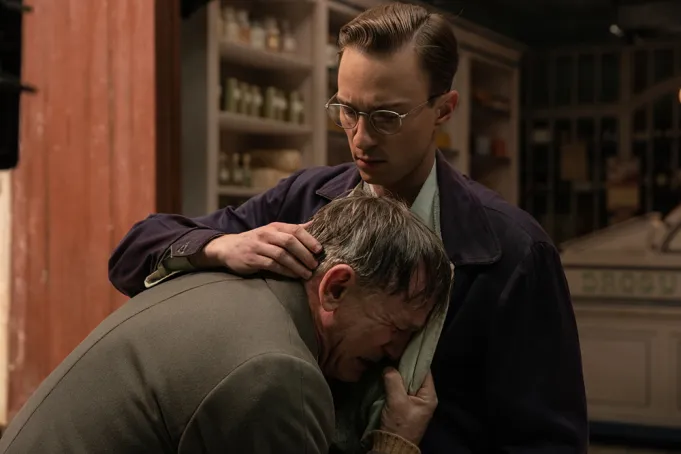
Two Army doctors confront a troubling epidemic of self-inflicted wounds among soldiers in this World War I medical drama. Before the obsessive doctor and his mildly hemophobic colleague can unravel the patients’ extreme combat-avoidance measures, disaster strikes as the Spanish flu ravages the city’s soldiers and civilians alike.
“Babygirl”
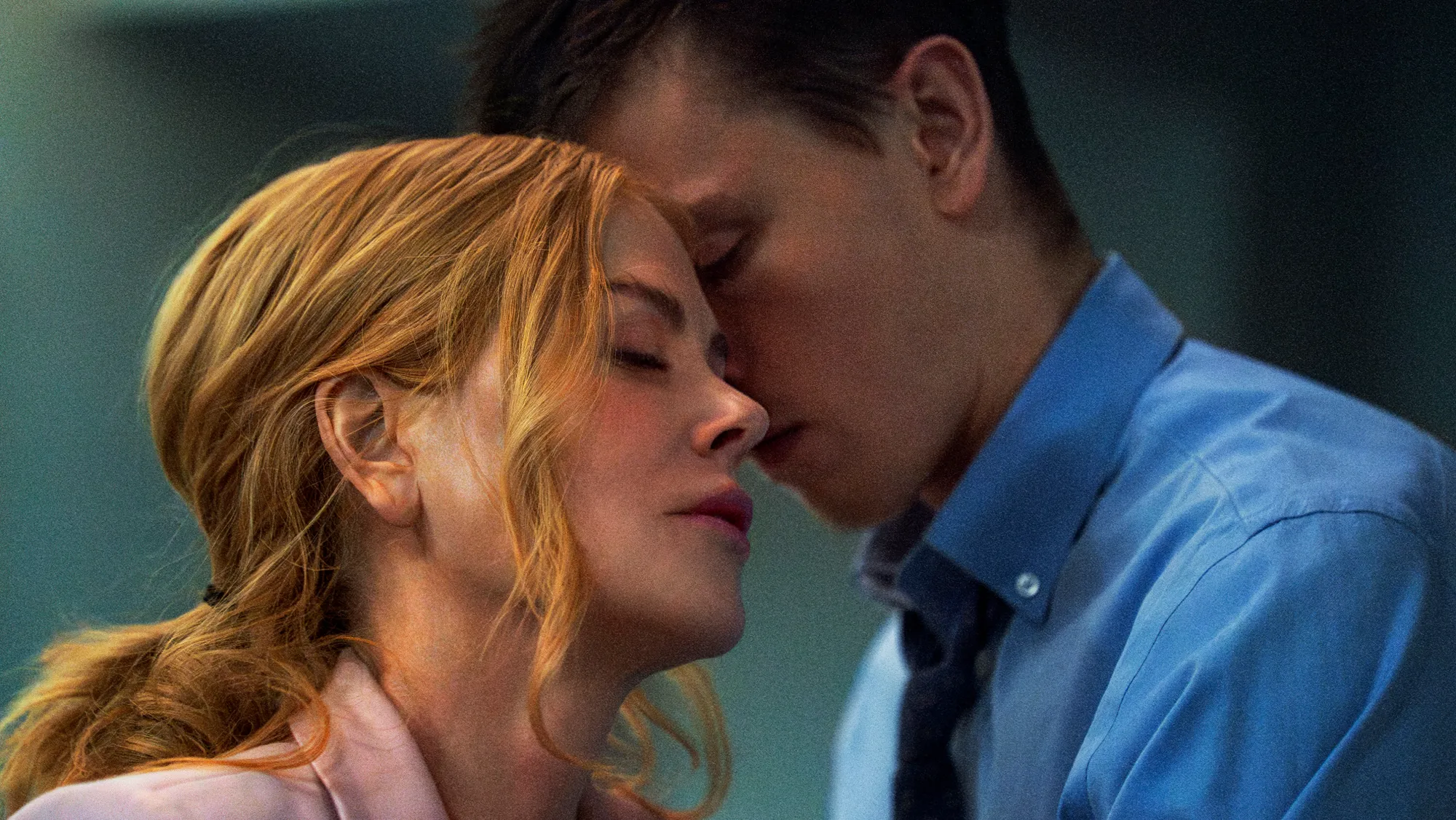
High-powered CEO Romy (Nicole Kidman) risks her career and family when she embarks on a passionate affair with her younger intern, Samuel (Harris Dickinson). As Romy navigates her midlife and inner demons, the affair forces both participants to confront their confusion around societal power hierarchies and primal instincts while finding liberation and healing in the forbidden act.
Leave a Reply