Category: fashion week

  • Sacai FW26 Is a Manifesto in Motion: Chitose Abe Breaks the Rules to Build Something New

    Sacai FW26 Is a Manifesto in Motion: Chitose Abe Breaks the Rules to Build Something New

    Chitose Abe isn’t playing nice anymore. And that’s exactly the point.

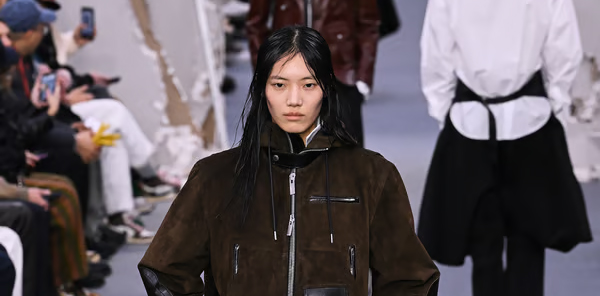
    For Sacai’s Fall/Winter 2026 show, Abe traded her signature sense of playful hybridization for something sharper, more confrontational. This season wasn’t about remixing expectations it was about breaking them. Literally. The walls of Le Carreau du Temple were marked with dramatic punch dents, as if the space itself had been challenged to withstand her ideas. Fashion as impact. Fashion as force.
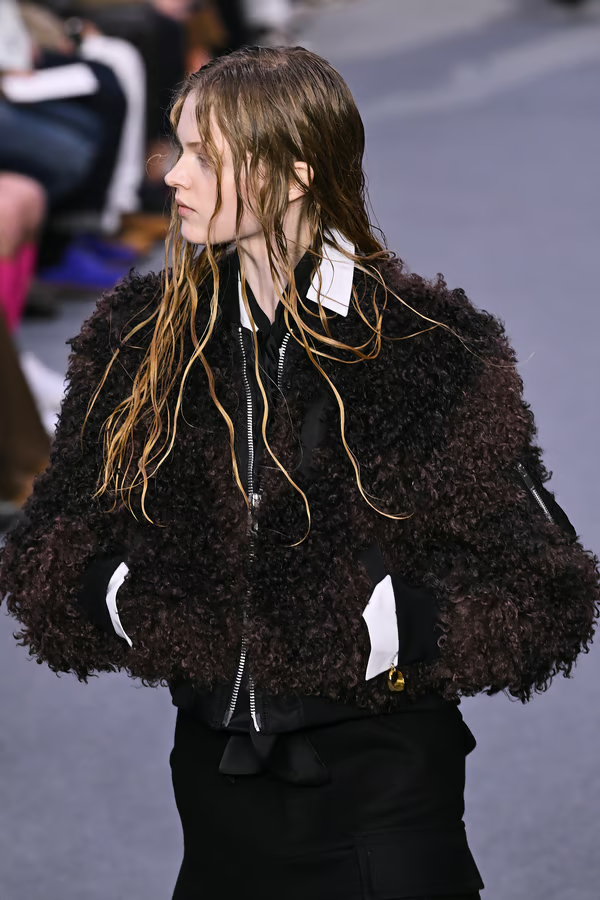
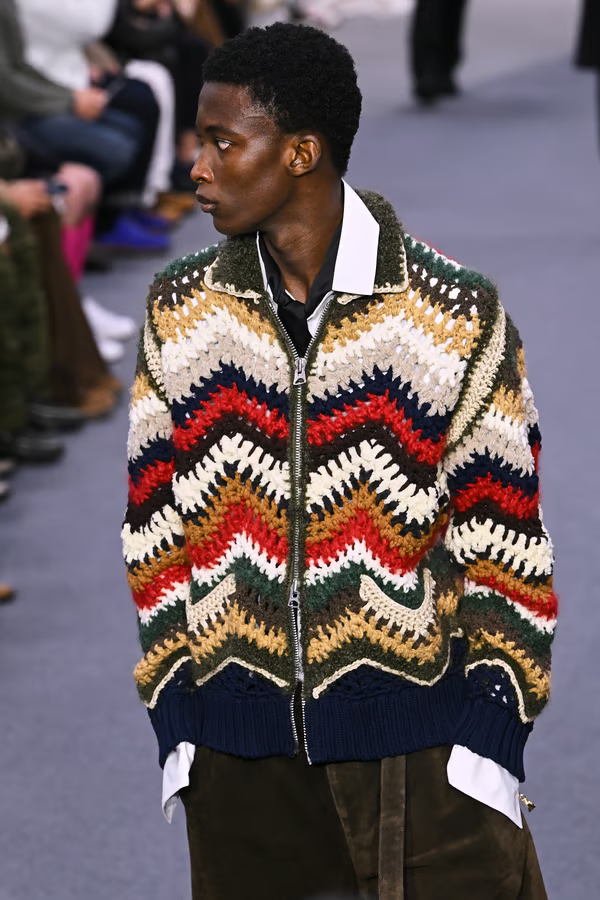
    Inspired by Muhammad Ali, Abe framed the collection as an act of liberation. Not just from aesthetic rules, but from mental constraints. “Breaking through the wall” became both metaphor and mission. It was a reminder that creativity isn’t born from comfort it’s born from resistance.
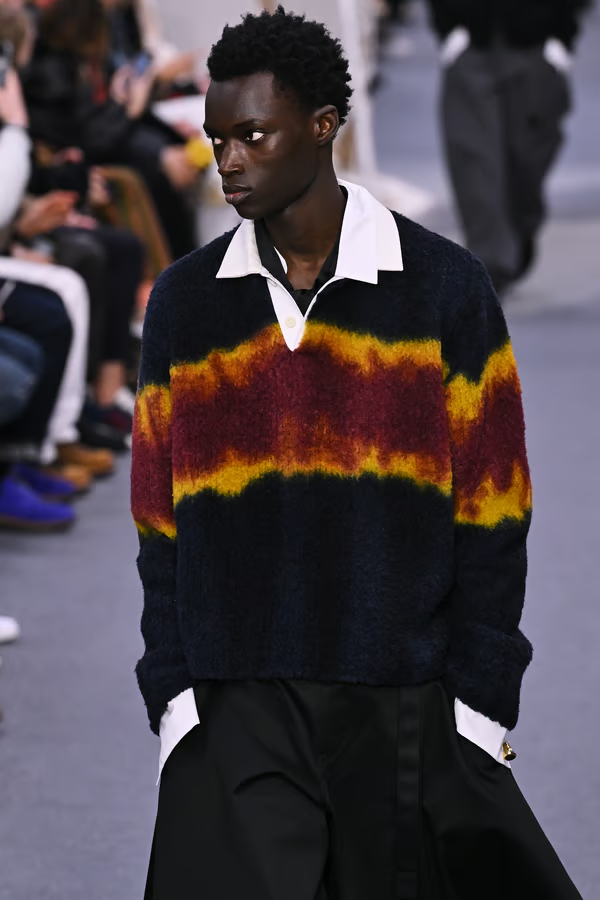
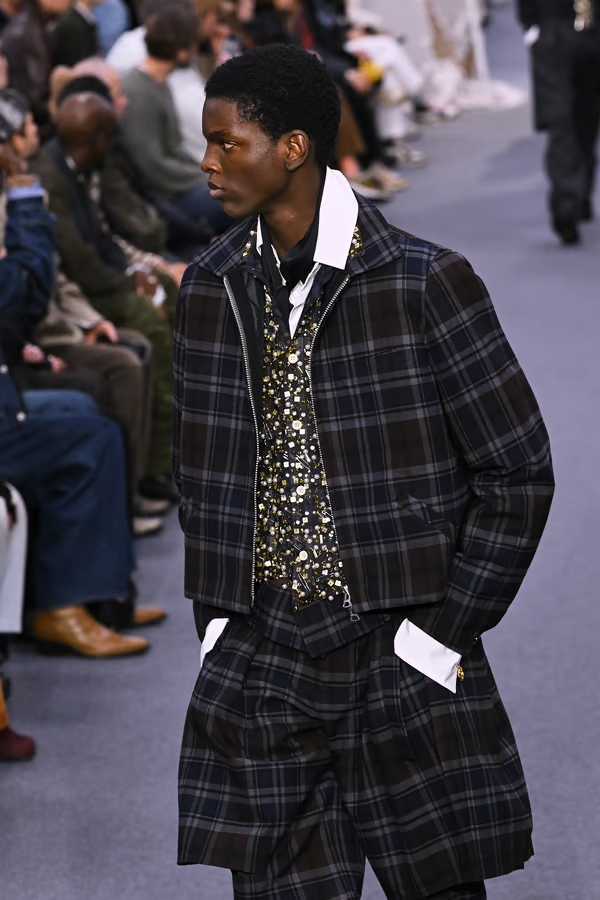
    The atmosphere set the tone. A soundtrack shifting from Queen’s  Want to Break Free  into a high energy Charli XCX remix transformed the show into a manifesto. This wasn’t nostalgia or rebellion for rebellion’s sake. It was clarity. A declaration that Sacai is evolving beyond hybridity as novelty, into hybridity as philosophy.
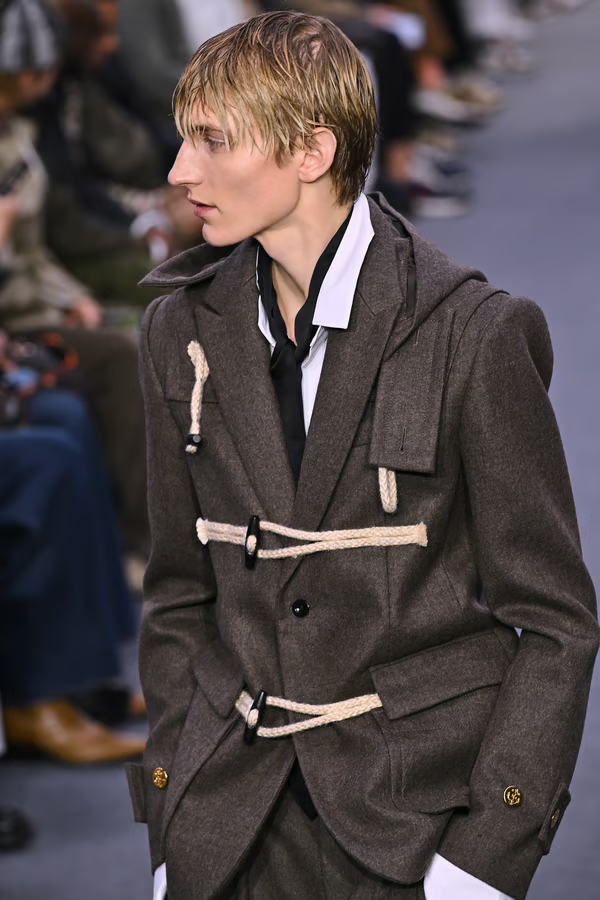
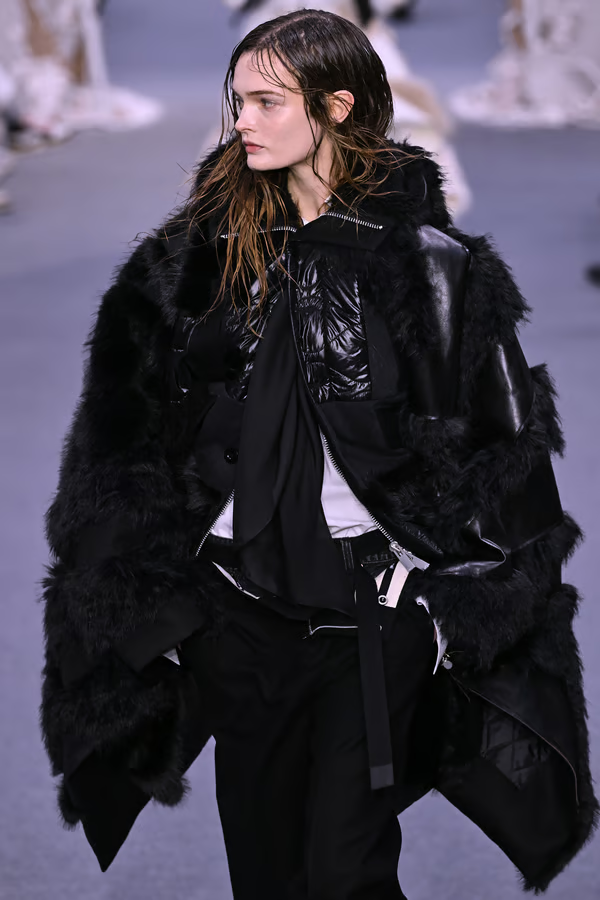
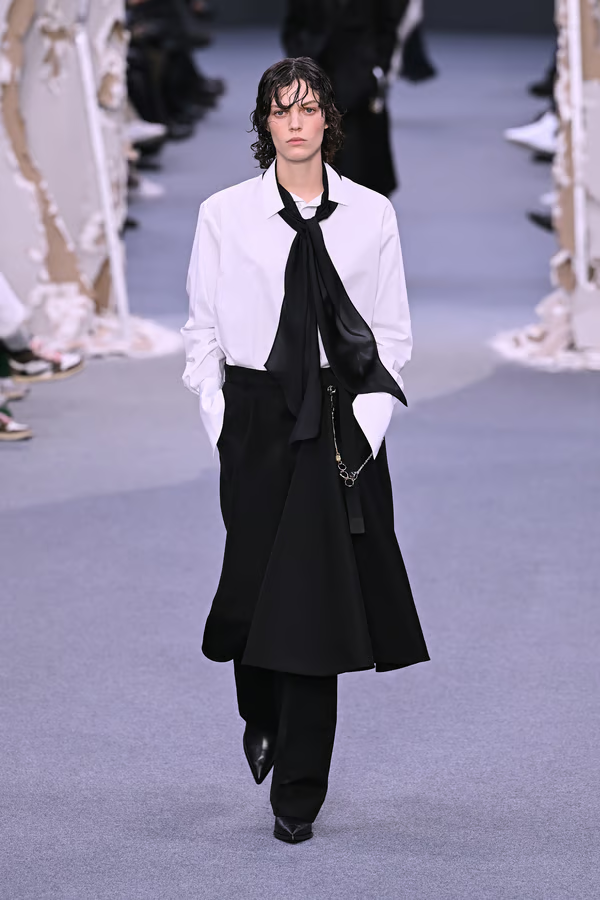
    Where past collections fused garments through visible layering, FW26 was about deception and precision. Construction became sleight of hand. Skirt-pant hybrids appeared effortless but were engineered from wide-leg trousers. Jackets were sliced horizontally, reattached through internal linings to create silhouettes that looked singular but were structurally complex. Nothing was what it first appeared to be.

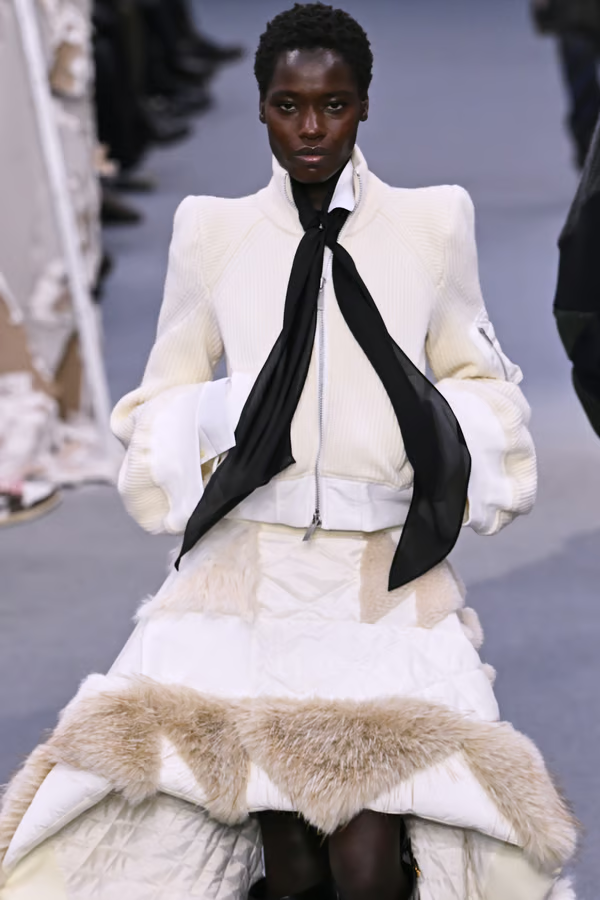
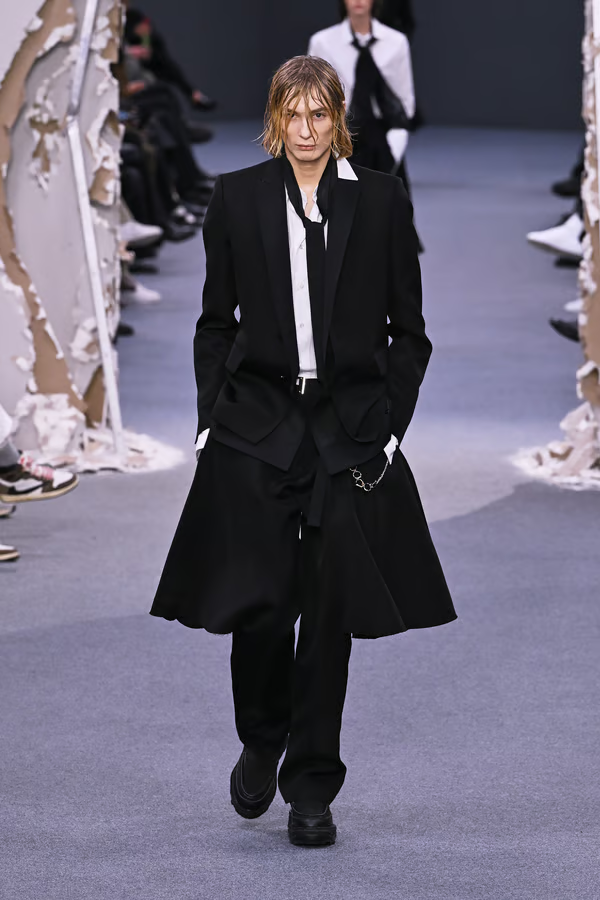
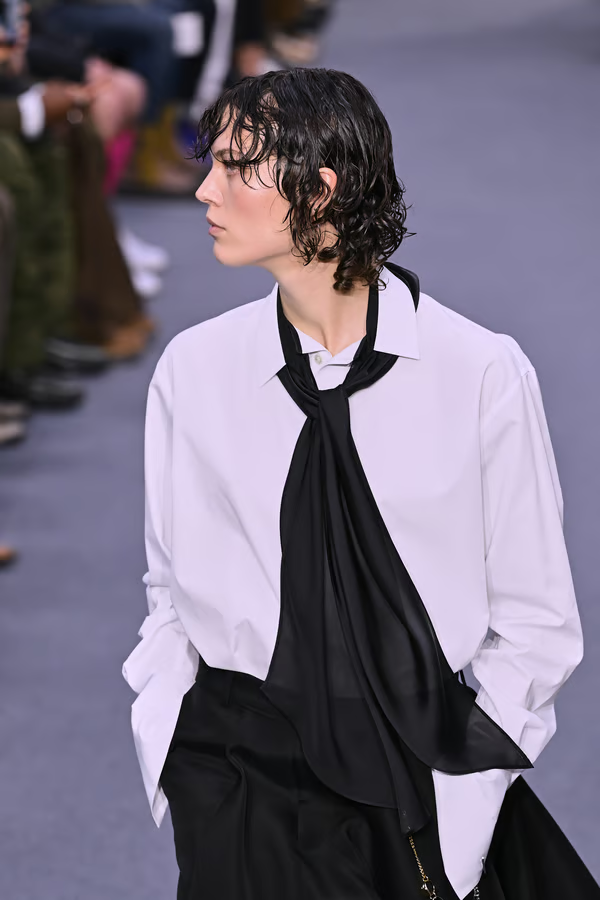
    Even tailoring loosened its grip. The classic shirt and tie were stripped of formality, replaced by scarf like ties wrapped gently around the collar, freeing the neck from rigidity. Power dressing without the armor. Authority without constraint.
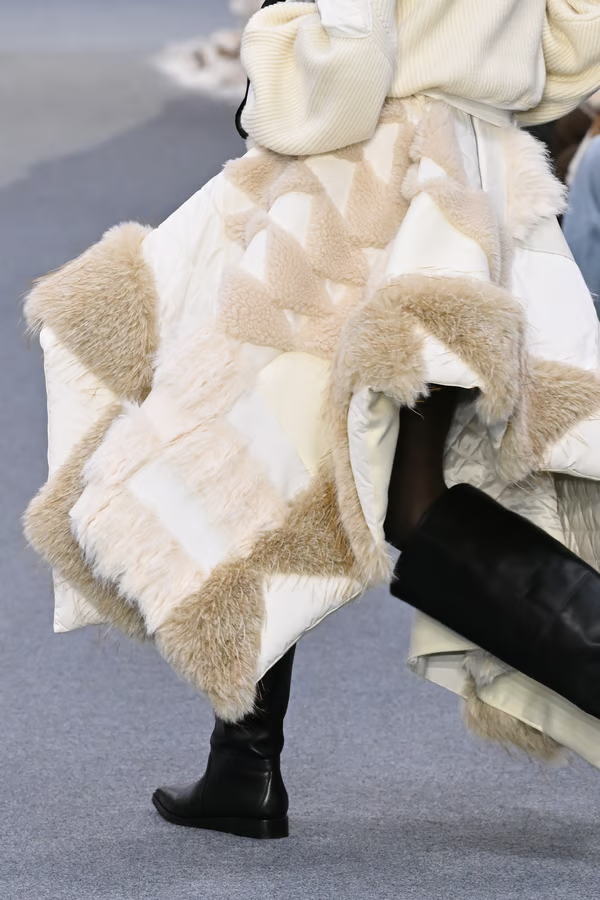
    The collaborations deepened this narrative. Sacai’s ongoing partnership with Levi’s evolved into a new language of denim rebellion: Type I and Type II jackets fused with leather biker elements and bomber structures, while flared jeans merged seamlessly into tailored trousers. Workwear met elegance through destruction and reinvention.
    A third collaboration with A.P.C. introduced a textile inspired by Jessica Ogden’s patchwork quilts fabric that carried memory, craft, and human imperfection. It was folded into Sacai’s silhouettes like a quiet reminder that freedom is built from fragments of history.

    Footwear anchored the collection with J.M. Weston Golf Derbies shifting into a deep bordeaux tone, grounding the chaos with richness and control. Destruction, but refined.

    What made this show truly resonate was intimacy. Much like the legendary early 2000s Paris shows, the smaller space pulled the audience closer to the garments. You didn’t just see the clothes you confronted them. Every seam, splice, and illusion was impossible to ignore.
    This wasn’t fashion asking for attention. It was fashion demanding reflection.

    Sacai FW26 isn’t about disruption for spectacle. It’s about the beauty that exists inside rupture. The elegance of letting go. The courage to dismantle what you’ve mastered to build something more honest.

    Chitose Abe didn’t just design a collection.

    She staged a breakthrough.

    by PINES STUDIOS
  • Ralph Lauren Returns to Milan With a Vision Rooted in Legacy, Freedom, and the Spirit of the ’90s

    Ralph Lauren Returns to Milan With a Vision Rooted in Legacy, Freedom, and the Spirit of the ’90s

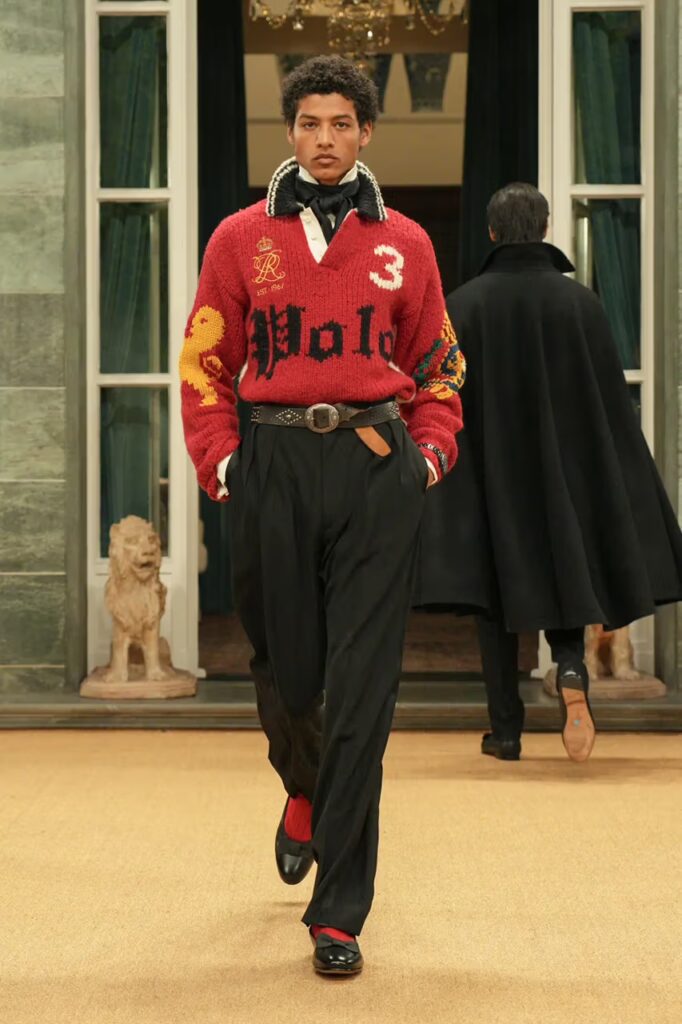
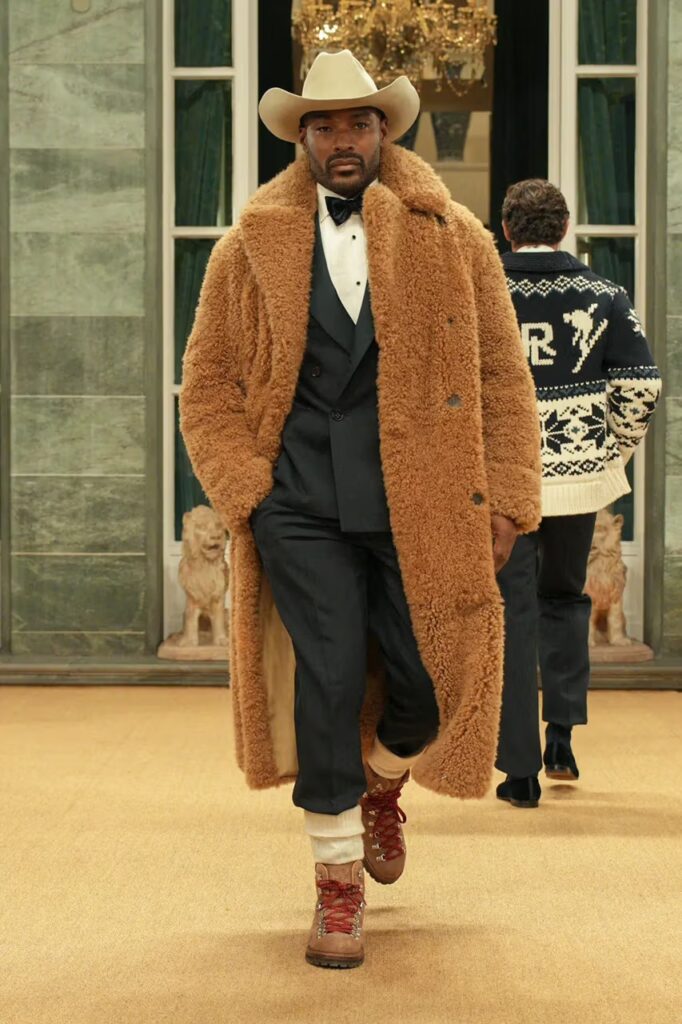
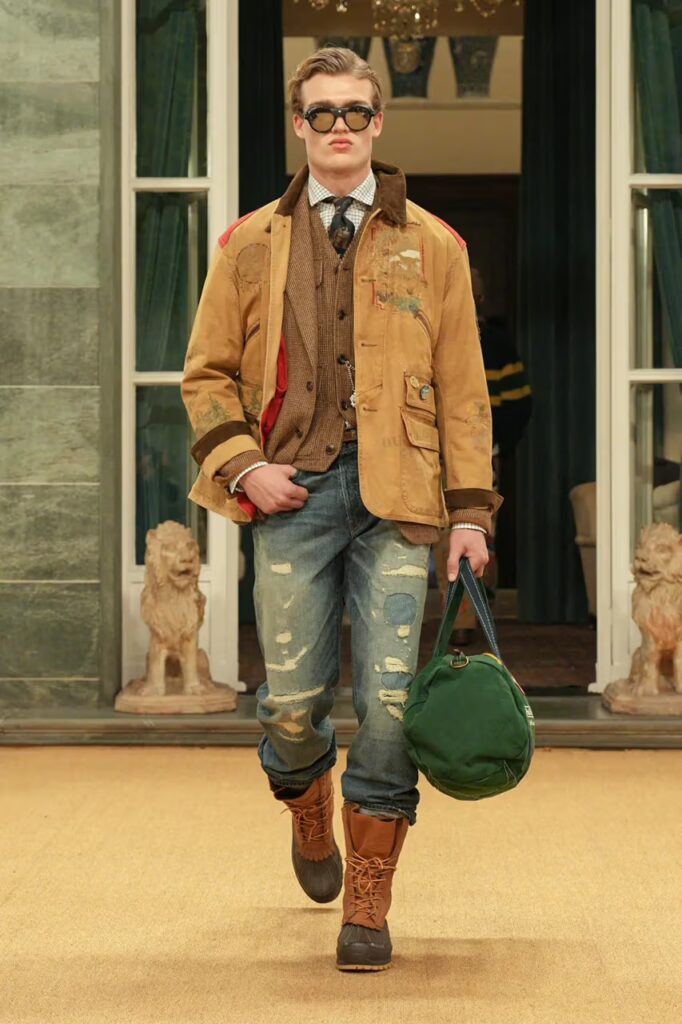
    There are designers who follow trends, and then there are designers who define a way of living. Ralph Lauren has always belonged to the latter. For Fall 2026, he returned to Milan with a statement that felt less like a fashion show and more like a reaffirmation of identity. Hosted at Palazzo Ralph Lauren, the collection marked his first menswear presentation in over a decade, and it carried the weight of history with the clarity of someone who has never stopped evolving.

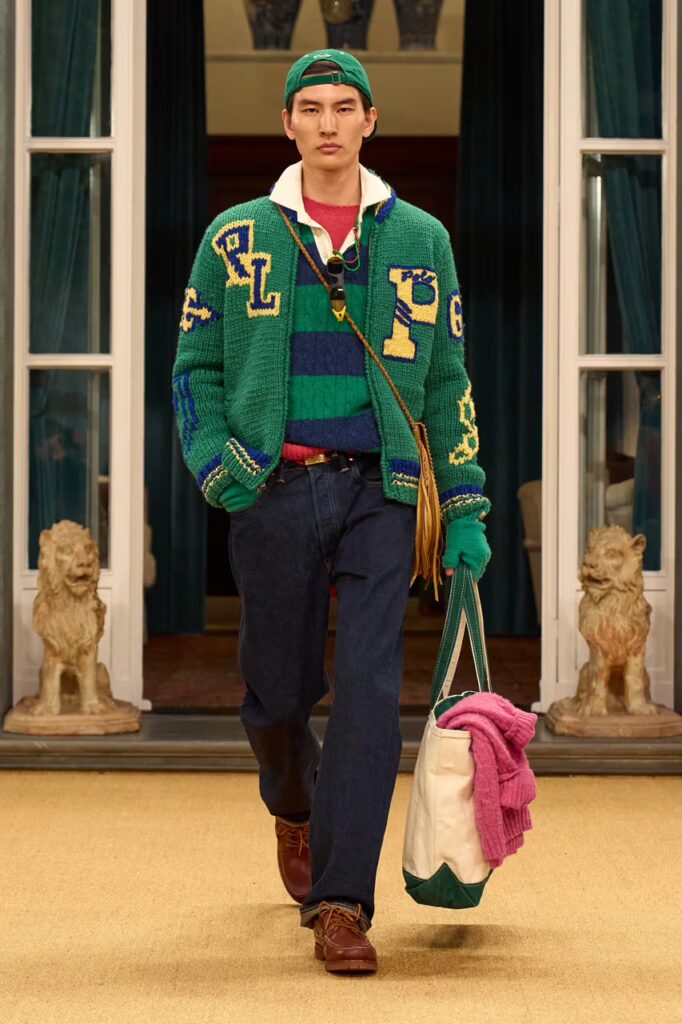
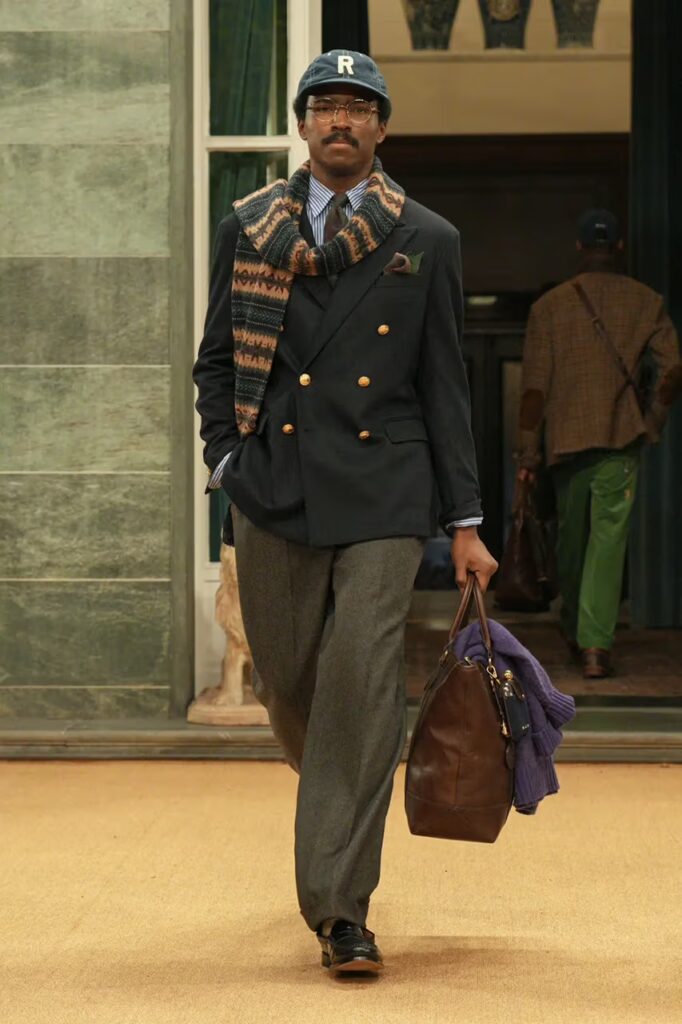
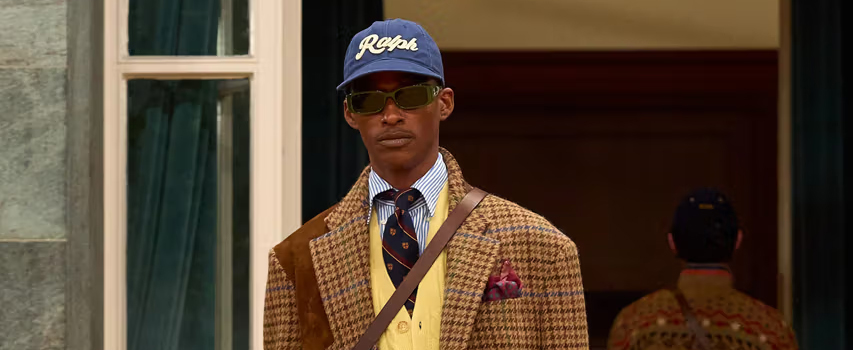
    Fall 2026 unfolded as a dialogue between nostalgia and permanence. The silhouettes echoed the era when Polo and Purple Label were born, drawing deeply from the ’90s while grounding themselves in what Lauren calls “timeless tradition.” Ivy League tailoring, vintage Americana, and Indigenous craftsmanship coexisted effortlessly, forming a collection that celebrated multiplicity rather than uniformity.

    Ralph Lauren once said he started with a tie, but that it was never really about a tie. It was about a way of living. That philosophy ran through every look. This wasn’t a runway built on spectacle; it was a narrative of character, culture, and personal history. From Purple Label’s refined elegance to Polo’s reimagined preppy spirit, each piece reflected the worlds he has lived in and the ideals he still believes in.

    What made this collection powerful was its emotional range. Prep met dandy codes. Traditional sportswear crossed paths with vintage Americana. Indigenous artistry added soul and authenticity. Rather than isolating these influences, Lauren wove them together, presenting masculinity not as a fixed concept but as something layered, expressive, and deeply individual.

    The show closed with Tyson Beckford, an icon synonymous with Ralph Lauren’s golden era. His walk wasn’t just a nostalgic callback; it was a reminder of the cultural impact Ralph Lauren has had across generations. It symbolized continuity, proving that the energy of the ’90s still lives, not as a memory, but as a foundation.

    There is a quiet confidence in a designer who doesn’t need to chase relevance. Ralph Lauren doesn’t reinvent himself; he refines his truth. Fall 2026 stood as proof that authentic style is built over decades, not seasons. It grows through experience, conviction, and a deep understanding of how men live, move, and express who they are.

    At Studio by Pines, we see this collection as a masterclass in restraint and power. It reminds us that fashion is strongest when it tells a story that feels lived in. Ralph Lauren didn’t just present clothing in Milan. He presented a legacy that continues to breathe, adapt, and inspire.

    by PINES STUDIO

  • DROPHAUS: Pharrell’s Blueprint for the Future of Luxury Living

    DROPHAUS: Pharrell’s Blueprint for the Future of Luxury Living

    DROPHAUS: Pharrell’s Blueprint for the Future of Luxury Living

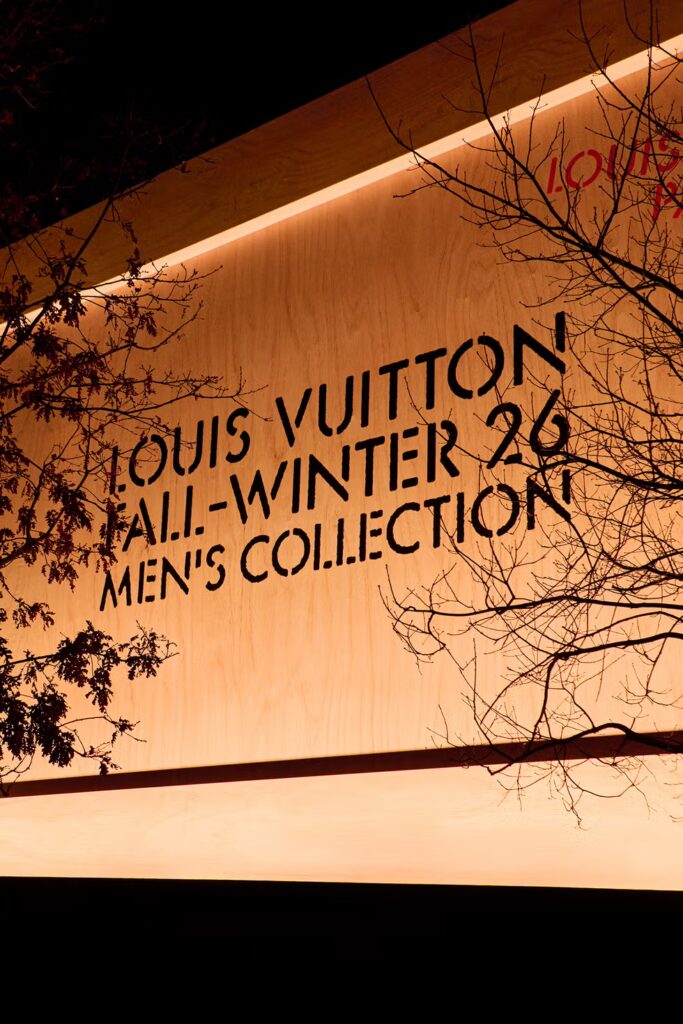
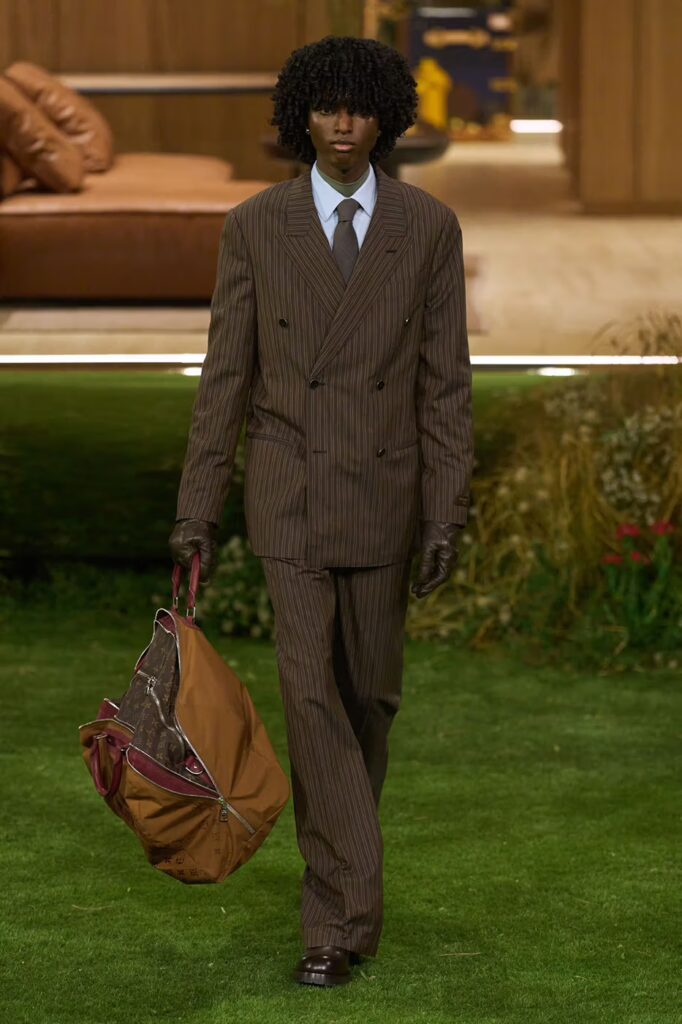
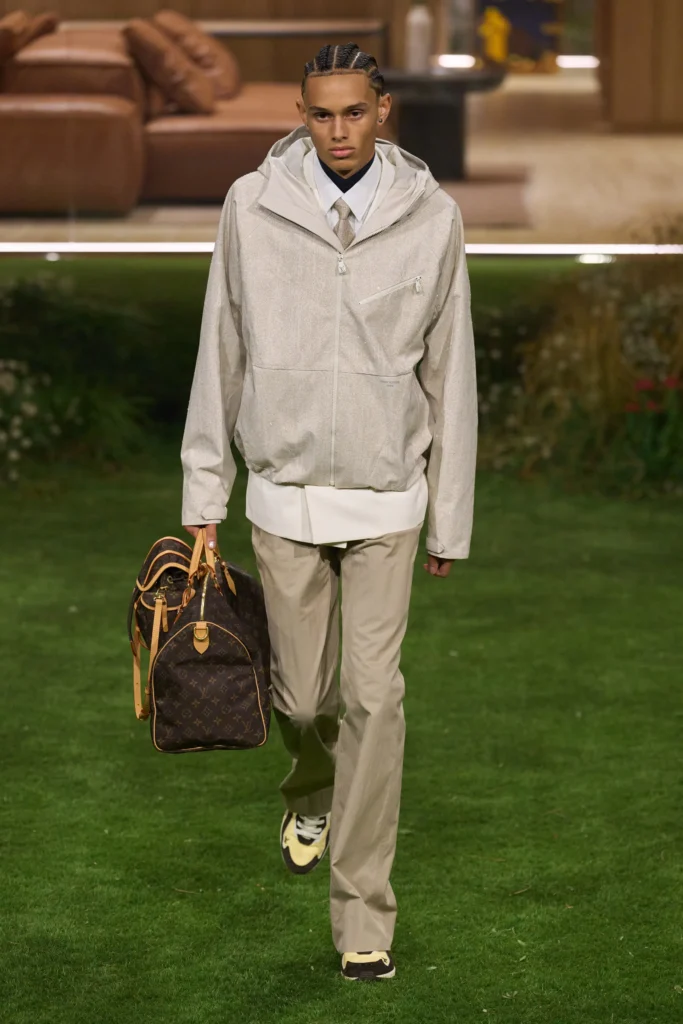
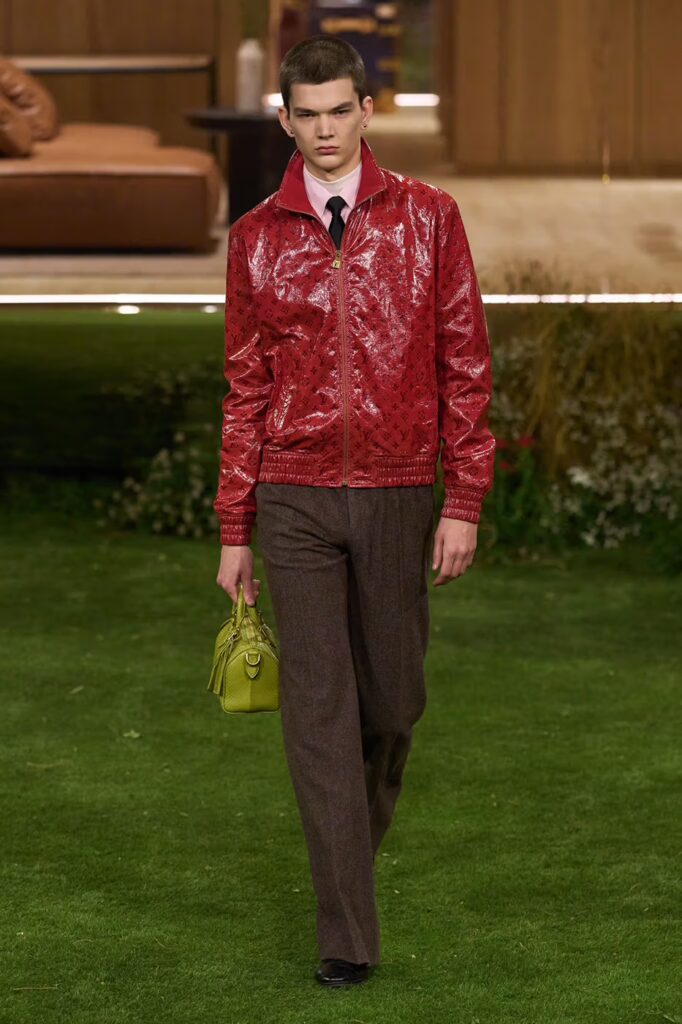
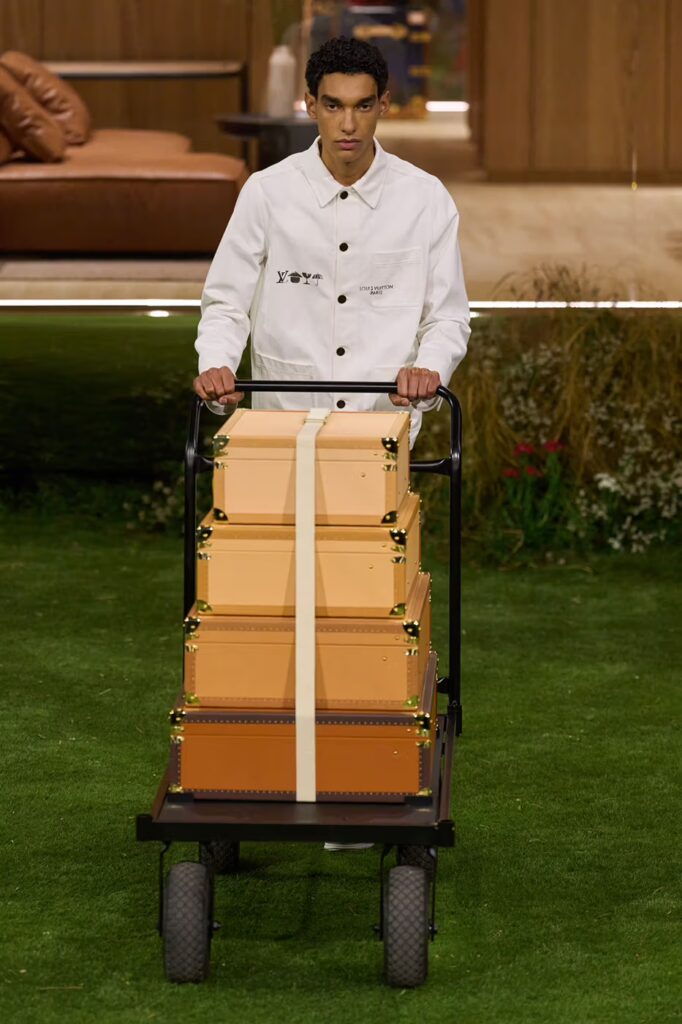
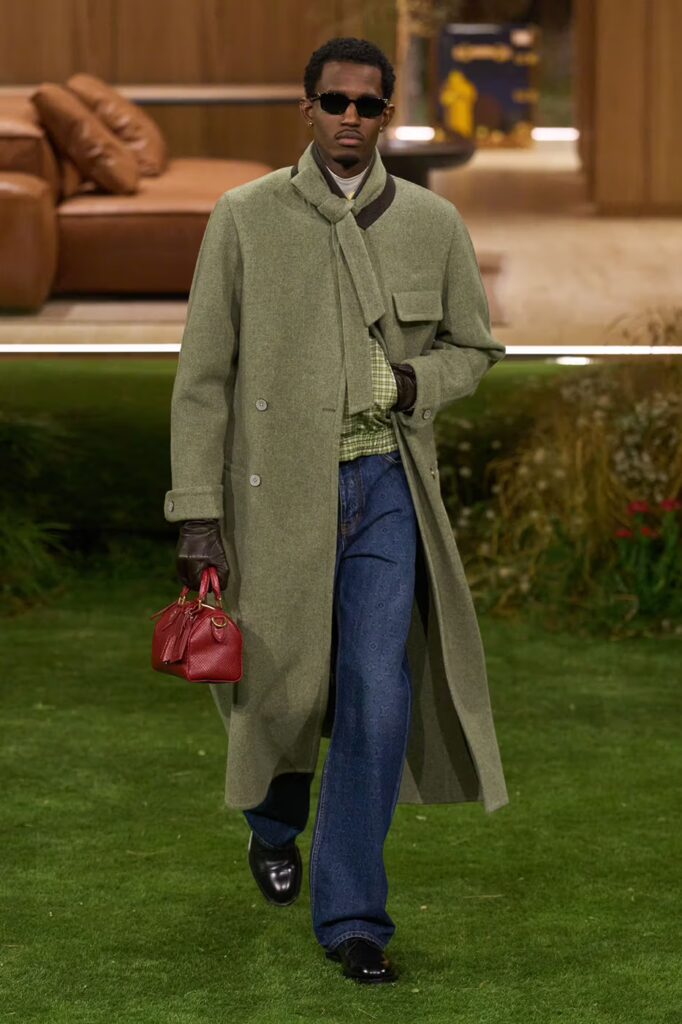
    Pharrell Williams does not simply create collections. He constructs realities. For Louis Vuitton Fall Winter 2026, he expanded fashion beyond clothing and transformed it into a fully lived environment.

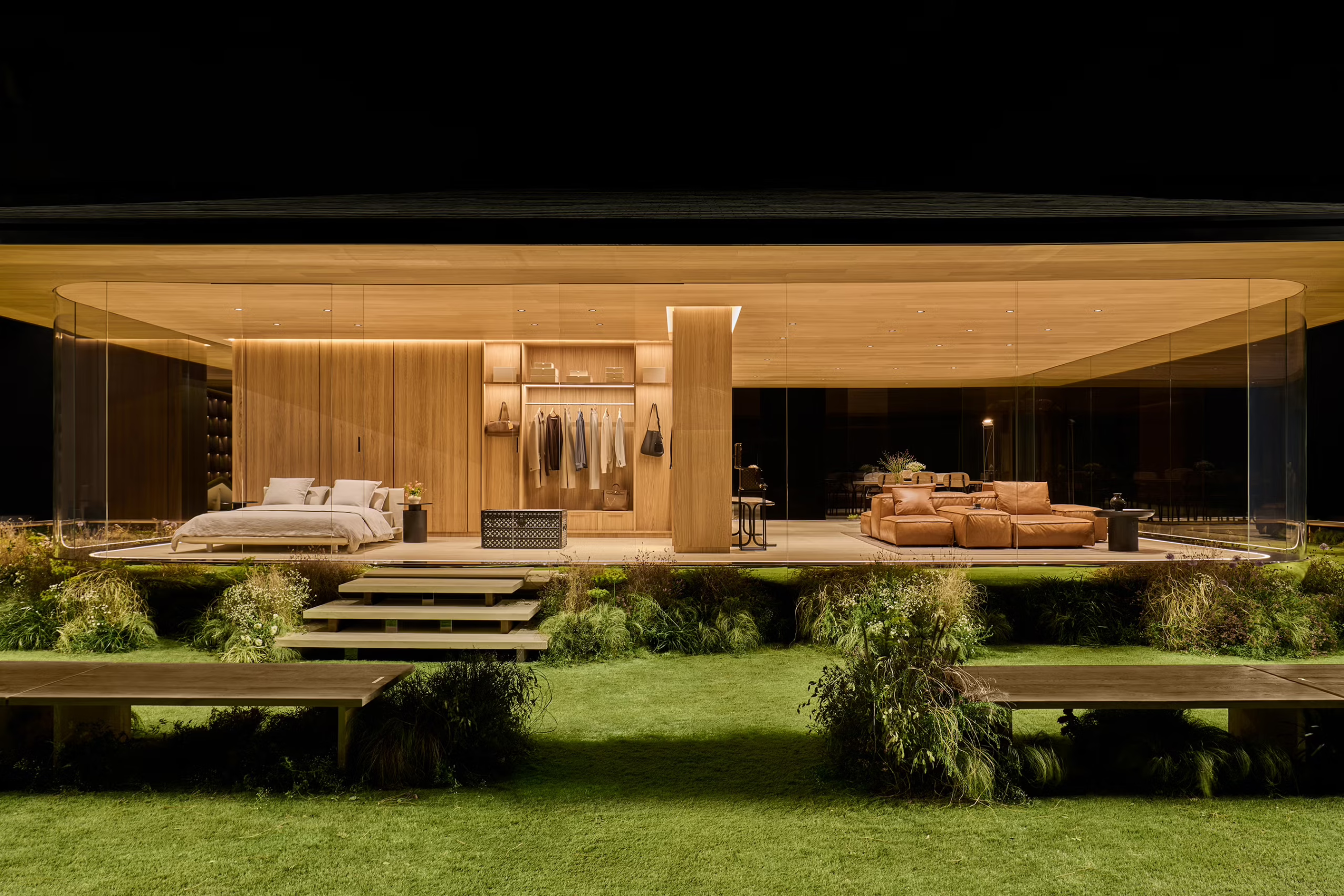
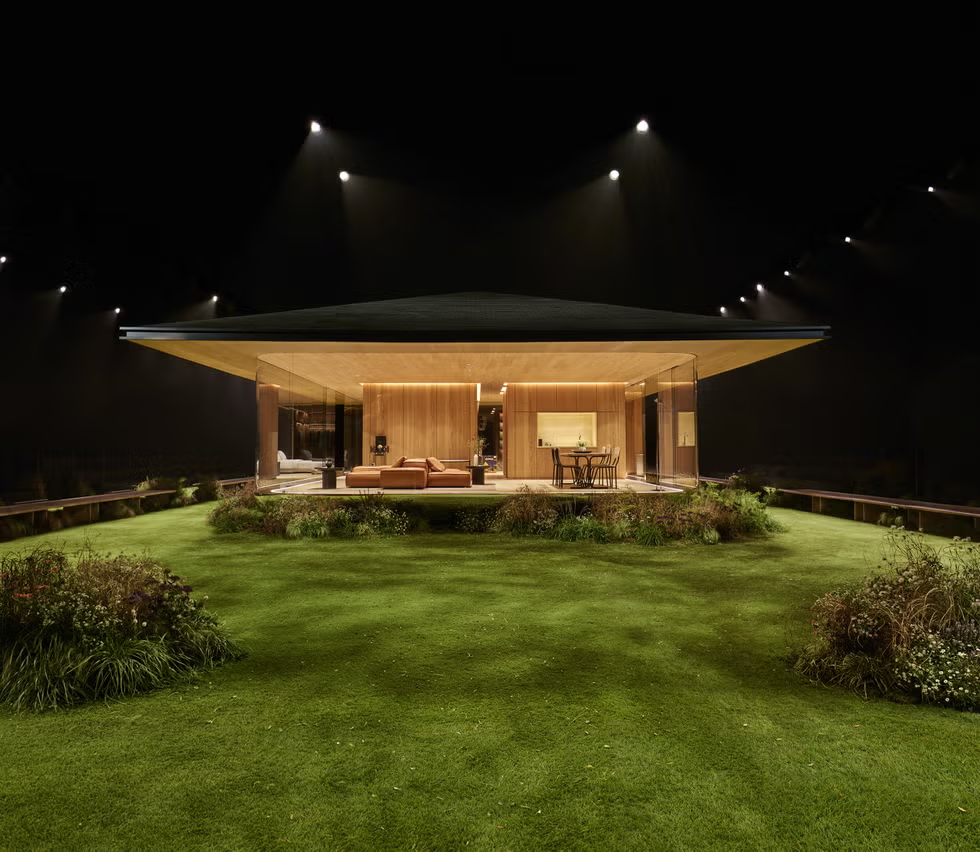
    Inside the Fondation Louis Vuitton in Paris, Pharrell revealed DROPHAUS, a modern glass walled structure designed in collaboration with Japanese architecture and design studio NOT A HOTEL. The space was not a stage or a backdrop. It was a manifesto. A physical expression of how fashion, architecture, and humanity merge when function becomes the foundation of beauty.

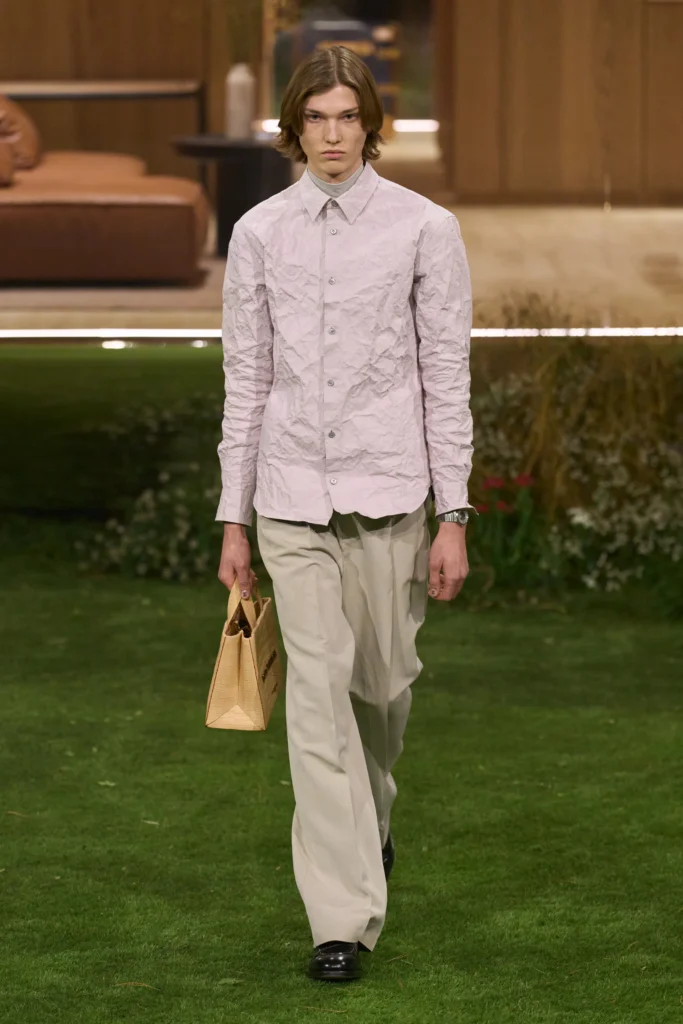
    Surrounded by greenery and soft plant lined pathways, the home felt like a sanctuary placed inside a cultural institution. Models moved around its transparent walls, through the garden atmosphere, and eventually inside the structure itself. The runway became fluid. The destination was the home. Fashion was no longer something displayed. It was something lived within.

    Louis Vuitton described the house as a vision of timelessness through architecture, rooted in purpose, craftsmanship, and human need. Pharrell took that statement and gave it emotion. The glass walls symbolized openness and honesty. The greenery softened the precision of modern design. The structure balanced innovation with warmth, future thinking with grounding.

    Inside DROPHAUS lived another layer of storytelling through a site specific furniture collection titled HOMEWORK. These pieces were not decorative accents. They were central to the narrative. Pharrell introduced the idea of ten percent imperfection, where slight irregularities, tactile surfaces, and visible craftsmanship remind us that true design carries the trace of human hands.

    This was not about flaws.

    It was about soul.

    Each object suggested that space should feel alive, evolving, and personal. Instead of a pristine showroom environment, DROPHAUS felt emotionally worn in, like a place that could hold memory, movement, and time. Architecture became intimate rather than imposing.

    By placing the collection inside a home instead of on a traditional runway, Pharrell shifted the relationship between fashion and space. The clothes were not meant to dominate the environment. They were meant to belong to it. The silhouettes moved through glass, greenery, and furniture with a natural ease, reinforcing the idea that luxury should integrate into everyday life rather than exist above it.

    This approach defines Pharrell’s creative direction at Louis Vuitton. Luxury must feel human before it feels expensive. It must be functional before it is ornamental. It must serve life before it becomes spectacle.

    DROPHAUS became a metaphor for a new era.

    A future where fashion is lived in.

    Where design embraces imperfection.

    Where beauty grows from purpose.

    For Pines Studios, this moment stands as a cultural shift. Pharrell did not present a show. He presented a blueprint. A world where architecture, fashion, sound, and emotion exist in one continuous language.

    In an industry driven by excess and volume, DROPHAUS spoke quietly but with authority.

    by PINES STUDIOS